
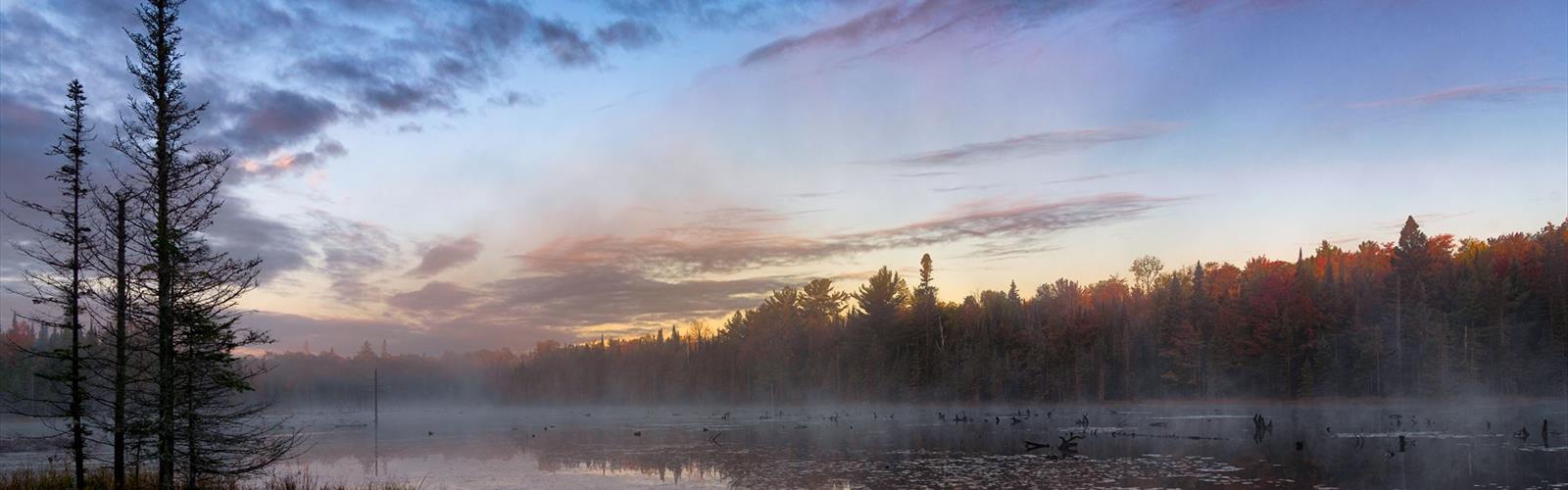

Ready to explore Doe Lake? Here's everything you need to know before you go!
Discover the trail
Trail description
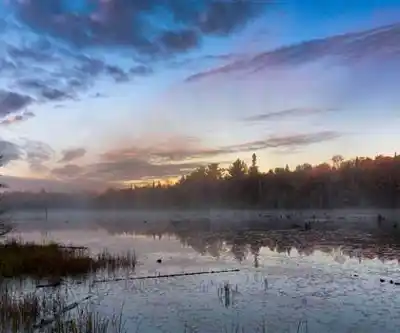
Doe Lake sits quietly within the sprawling landscape of Algonquin Park, tucked into the region that spans the Almaguin Highlands, Muskoka, and Parry Sound. It's the kind of place that doesn't announce itself loudly — no massive parking lots, no crowds jostling for the best viewpoint — just a genuinely peaceful lake surrounded by classic Canadian Shield terrain that rewards hikers who make the trip.
What makes Doe Lake worth seeking out is exactly that quieter character. Even when busier corners of Algonquin are packed on a summer weekend, this area tends to hold onto its sense of calm. The trail infrastructure is well-maintained, the scenery is consistently rewarding, and the mix of ecosystems you move through keeps the experience interesting from start to finish.
Trail Network and Terrain
The Doe Lake Loop Trail is the area's main draw, and it earns its reputation as a solid moderate hike. The trail surface shifts as you move around the lake — packed earth through the forested stretches, wooden boardwalks over the wetter boggy sections, and occasional rocky ground that asks for a bit of attention underfoot. Nothing technical, but enough variety to keep you engaged.
The loop takes you through several distinct environments as it circles the water. Boggy areas along the route support carnivorous pitcher plants, which are always a bit of a surprise if you haven't spotted them before. Gentle ridges offer open views across the lake, and shoreline sections bring you right down to where granite slabs meet the water's edge. The trail is laid out to take advantage of natural clearings and viewpoints, so you're not just walking through trees the whole time — the lake stays part of the experience throughout.
The surrounding forest is a mix of maple, birch, pine, and spruce, which means the canopy shifts character depending on where you are on the loop. Dense mixed forest gives way to more open rocky sections, then back into shade. It's a good representation of what Canadian Shield hiking looks like at its best.
For hikers looking to push further, the Highland Backpacking Trail connects to the Doe Lake area and opens up multi-day possibilities. The Highland Trail is a step up in difficulty — steeper climbs, more technical footing, longer stretches between water sources — and is best suited to hikers with backcountry experience and solid navigation skills. Designated backcountry campsites make overnight trips feasible for those who want to extend their time out here.
Wildlife and Natural Features
Being inside Algonquin Park means wildlife is part of the deal. White-tailed deer are a common sight in the early morning, often coming to the lake's edge to drink. Black bears move through the area as well, so standard food storage practices apply — hang your food or use a bear canister if you're camping nearby.
The birdlife around Doe Lake is genuinely impressive. Loons call across the water in the evenings, eagles work the open lake surface, and the mixed forest fills with chickadees, nuthatches, and warblers throughout the warmer months. If you slow down and listen, the forest soundtrack alone makes the hike worthwhile.
The lake itself is clear in the way Canadian Shield lakes tend to be — granite bedrock filters the runoff, and the relatively undisturbed watershed keeps the water quality high. You can often see several meters down to the rocky bottom from the shoreline sections of the trail.
Seasonal Conditions
Spring brings wildflowers to the forest floor — trilliums, bloodroot, and wild leeks push up as the snow clears. Trails can be muddy through this period, but the lack of crowds and the energy of the season make it appealing if you're comfortable with variable conditions underfoot.
Summer is the most straightforward time to visit. Trails are dry, the forest canopy keeps temperatures manageable, and wildlife activity is at its peak. It's also the best season for combining the hike with paddling on the lake — the calm, protected water is well-suited to canoe or kayak, and natural landing spots around the shoreline make it easy to link a paddle with a walk.
Fall is when Doe Lake really shines. The mixed forest around the lake produces some genuinely spectacular autumn color — maples go red and orange, birches turn gold, and the whole scene reflects off the water on calm days. Cooler temperatures make for comfortable hiking, though wet leaves on rocky sections can get slippery.
Winter opens up snowshoeing on the loop trail and cross-country skiing on the broader trail network. The frozen lake surface adds route options for experienced winter travelers, though proper ice assessment is essential before venturing out.
Fishing and Water Access
The lake holds brook trout, lake trout, and smallmouth bass, making it a reasonable destination for hikers who want to bring a rod along. Shoreline fishing is accessible from several points on the loop trail. Paddlers can reach deeper water spots more easily. Standard Ontario fishing regulations apply, and a valid provincial fishing license is required.
Access and Practical Notes
Doe Lake falls within Algonquin Park's day-use area, so you don't need a backcountry permit for a standard day hike — though Algonquin Park's vehicle permit is required for entry. The trailhead has basic parking, but spots fill up on busy summer weekends and during peak fall color season. Getting there early solves both the parking problem and gives you the best window for wildlife sightings.
Cell coverage is unreliable throughout this part of the park, so download offline maps before you go and let someone know your plans. Trail maintenance in this section is consistently good, with boardwalks kept up and blowdowns cleared regularly, but basic safety gear and navigation tools are always worth carrying in Algonquin.
The Essential Hiking Checklist
Everything you need for your next hike. Bilingual, printable, 1 page.
Get your free hiking checklistRecommended gear for this trail
As an Amazon Associate I earn from qualifying purchases.


Ready to go?
Everything you need to know before you goStarting Point
The doe lake trails are located in the Almaguin Highlands region of Ontario. To get to the start of the trails, take Highway 11 north from Toronto to Huntsville. In Huntsville, take Highway 60 east to South River. In South River, take Highway 124 north to doe lake. The start of the trails is located at the doe lake Recreation Area, which is located on the east side of doe lake.
When?
How much?
As an Amazon Associate I earn from qualifying purchases.
Affiliate links — LGPO may earn a commission at no extra cost to you.
- Hiking shoes Essential
- → Salomon Elixir Tour Mid WP · 203.38 $
- Layered clothing Essential
- Rain jacket Essential
- Trekking poles
- → Black Diamond Trail Ergo Cork · 69.99 $
- Headlamp
- → Petzl Actik Core 625 · 103.95 $
FAQ - Frequently asked questions
Everything you need to knowSimilar hikes nearby
Discover other trails you might enjoy
Opeongo Lake
Algonquin Park, Almaguin Highlands, Muskoka and Parry Sound
Barron Canyon
Algonquin Park, Almaguin Highlands, Muskoka and Parry Sound
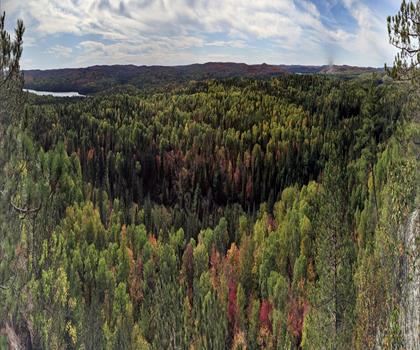
Centennial Ridges Trail
Algonquin Park, Almaguin Highlands, Muskoka and Parry Sound
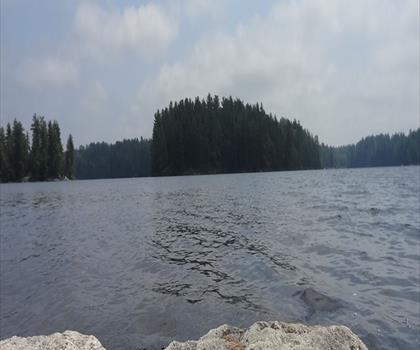
Hardy Lake
Algonquin Park, Almaguin Highlands, Muskoka and Parry Sound
Whitestone Lake
Algonquin Park, Almaguin Highlands, Muskoka and Parry Sound
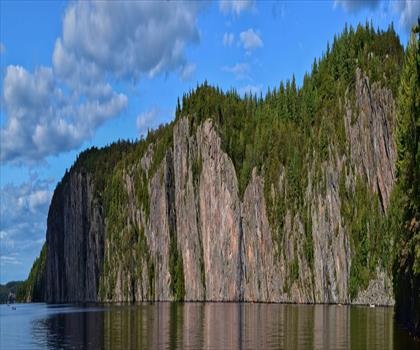
Canisbay Lake
Algonquin Park, Almaguin Highlands, Muskoka and Parry Sound
Hiking near Barrie
146 trails to explore ~130 km away
We work hard to provide the most up-to-date and error-free data possible. If something seems incorrect, let us know! Your contribution helps the whole community.
Hikers' opinions
Be the first to review!
No hiker has shared their experience yet. Share your impressions and help other hikers!