
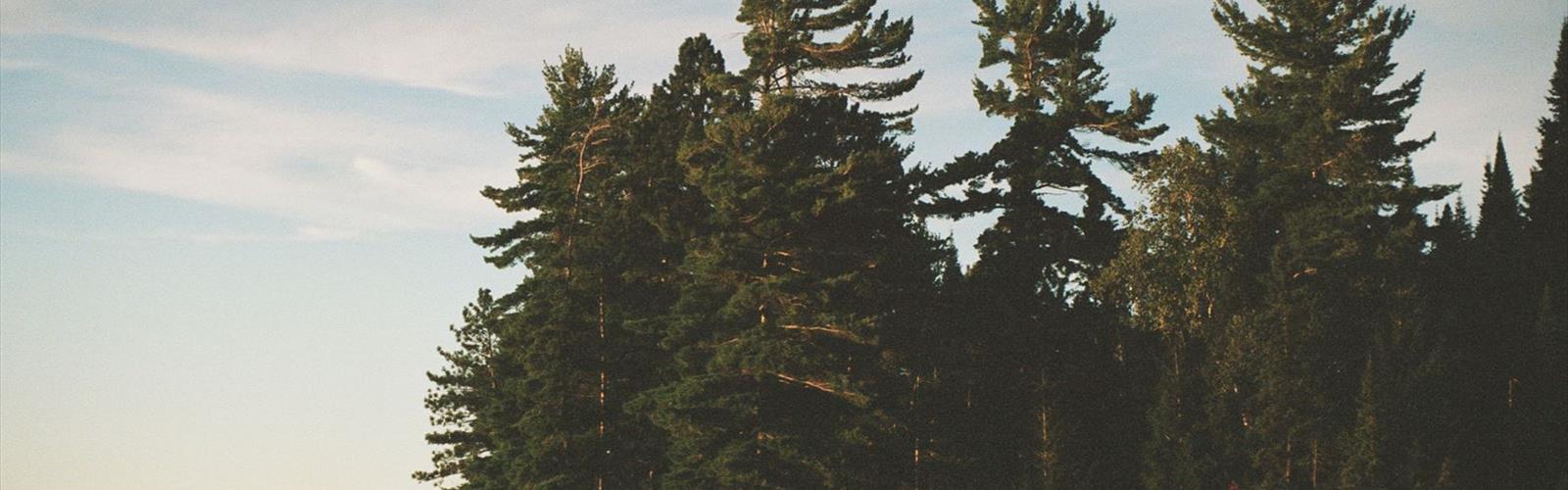

Ready to explore Opeongo Lake? Here's everything you need to know before you go!
Discover the trail
Trail description
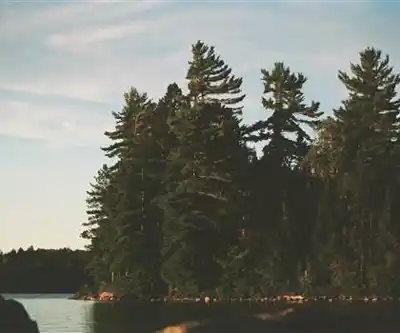
Opeongo Lake is the largest lake in Algonquin Provincial Park, covering 58 square kilometers of open water surrounded by dense boreal forest and exposed Canadian Shield granite. It's the kind of place that earns its reputation — not through hype, but through sheer scale and the quality of wilderness you step into the moment you leave the parking area. Whether you're here for a short walk or a multi-day stay, the lake anchors the experience in a way few destinations in Ontario can match.
What makes Opeongo stand out in this region is the combination of easy road access and genuine backcountry feel. Highway 60 brings you to the doorstep, but the trails pull you away from that quickly. Within minutes of leaving the trailhead, the ambient noise of the road disappears entirely, replaced by loon calls, wind through spruce tops, and the occasional splash of something large moving through a shallow bay.
Trail Options and Terrain
The Whiskey Rapids Trail is the most approachable option in the Opeongo Lake area — a 2.1-kilometer loop that stays on relatively flat ground through mixed forest. It follows the Opeongo River toward the rapids where the river begins its long journey toward the Ottawa River. The surface is mostly packed earth with wooden boardwalks over the wetter sections, so footing is generally reliable. Interpretive signs along the way cover the area's logging history and forest ecology, which adds some context to what you're walking through. This one works well for families or anyone looking for a relaxed outing.
The Centennial Ridges Trail is a different proposition entirely. At 10 kilometers, it climbs through hardwood valleys and up onto exposed granite ridges with panoramic views that stretch well beyond the lake itself. There are steep sections where you're scrambling over rock faces and working through root-filled climbs — nothing technical, but enough to get your heart rate up. The multiple lookout points along the ridge are worth the effort, offering the kind of wide-open views that remind you how big this park actually is.
The terrain throughout the area is classic Canadian Shield: granite bedrock, glacial erratics scattered through the forest, and a mix of coniferous and deciduous trees that shifts depending on elevation and moisture. Lower, wetter areas are dominated by white and black spruce, balsam fir, and eastern white cedar. Higher and drier ground transitions into sugar maple, yellow birch, and eastern hemlock. Trail surfaces range from soft pine-needle-covered forest floor to bare rock slabs that get slippery fast when wet. Wooden bridges cross streams and marshy sections in several spots, which is especially useful during spring snowmelt or after a heavy rain.
Wildlife and Natural Features
Opeongo Lake's varied shoreline and forest habitats make it one of the better spots in the park for wildlife sightings. Moose are a regular presence in the shallow bays and marshy areas, particularly in the early morning and evening. Watching one wade into the water to feed on aquatic vegetation is the kind of moment that sticks with you. White-tailed deer move through the forested areas throughout the day, and beavers have built active lodges and dams along many of the smaller waterways feeding into the lake.
The lake supports lake trout, smallmouth bass, and northern pike, which in turn attract common loons — their calls carry across the water all summer long and are as much a part of the Opeongo experience as anything else. Black bears live in the surrounding forest, though run-ins on the main trails are uncommon. Smaller wildlife is everywhere: red squirrels, chipmunks, woodpeckers, and a solid variety of warblers depending on the season.
In autumn, the forest composition pays off visually. The mix of hardwoods and conifers creates a layered color display that typically peaks in late September to early October — the maples and birches turning while the spruce and fir stay green behind them.
Camping and Extended Stays
There are established campsites along Opeongo Lake's shoreline that range from car-accessible spots to more remote locations that require either a canoe or a longer hike to reach. The shoreline sites are particularly good — falling asleep to the sound of waves and waking up to mist sitting on the water at dawn is hard to beat. Each site has a fire ring and picnic table, though amenities vary by location.
Reservations are essential during peak season, which runs roughly from July through September and again during fall color season. The most sought-after sites book up months ahead, so if you have specific dates or locations in mind, plan accordingly.
Access and Practical Information
The main access to Opeongo Lake runs off Highway 60, which cuts through the southern section of Algonquin Provincial Park. The Opeongo Lake Access Point and the trailheads along the highway corridor are well-signed. Parking fills up fast on summer weekends and holidays — arriving early in the day makes a real difference.
Each season changes the experience noticeably. Spring brings wildflower blooms and active wildlife, but trails can be muddy and snow may linger into May. Summer offers the longest days and most stable weather, along with the heaviest crowds and biting insects. Fall is arguably the most popular season for good reason — comfortable temperatures, spectacular foliage, and fewer people than midsummer. Winter opens up snowshoeing and cross-country skiing opportunities, but conditions can be demanding and daylight is short, so preparation matters more.
Weather in this part of Ontario can shift quickly, especially in spring and fall. Layers and rain gear are worth carrying regardless of what the forecast says. Summer thunderstorms in particular can build fast, and exposed ridges are not where you want to be when lightning is around — starting early and keeping an eye on the sky is a habit worth developing here.
- Whiskey Rapids Trail: 2.1 km loop, flat terrain, suitable for most fitness levels
- Centennial Ridges Trail: 10 km, significant elevation gain, exposed granite ridges with panoramic views
- Wildlife highlights: Moose, white-tailed deer, black bear, common loon, beaver
- Peak fall color: Late September to early October
- Reservations strongly recommended for camping from July through fall color season
- Access: Via Highway 60 through Algonquin Provincial Park
The Essential Hiking Checklist
Everything you need for your next hike. Bilingual, printable, 1 page.
Get your free hiking checklistRecommended gear for this trail
As an Amazon Associate I earn from qualifying purchases.


Ready to go?
Everything you need to know before you goStarting Point
The start of the trails at the opeongo lake can be accessed by travelling east on Highway 60 from Renfrew. The trailhead is located approximately 15 kilometres from the town of Renfrew.
When?
How much?
As an Amazon Associate I earn from qualifying purchases.
Affiliate links — LGPO may earn a commission at no extra cost to you.
- Hiking shoes Essential
- → Salomon Elixir Tour Mid WP · 203.38 $
- Layered clothing Essential
- Rain jacket Essential
- Trekking poles
- → Black Diamond Trail Ergo Cork · 69.99 $
- Headlamp
- → Petzl Actik Core 625 · 103.95 $
FAQ - Frequently asked questions
Everything you need to knowSimilar hikes nearby
Discover other trails you might enjoy
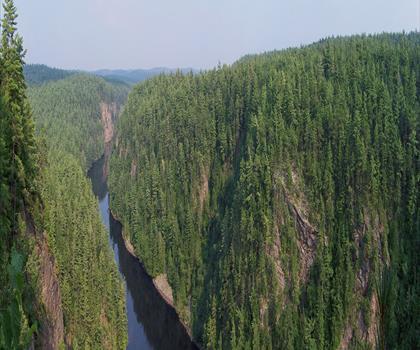
Barron Canyon
Algonquin Park, Almaguin Highlands, Muskoka and Parry Sound
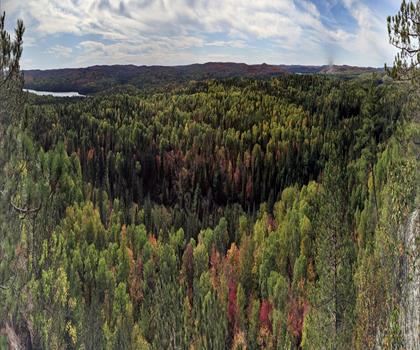
Centennial Ridges Trail
Algonquin Park, Almaguin Highlands, Muskoka and Parry Sound
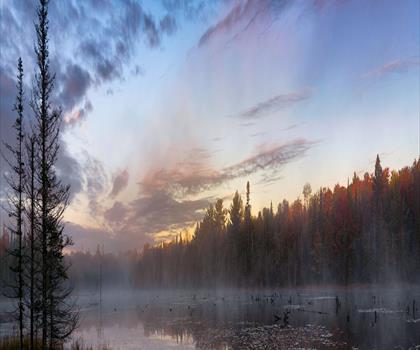
Doe Lake
Algonquin Park, Almaguin Highlands, Muskoka and Parry Sound
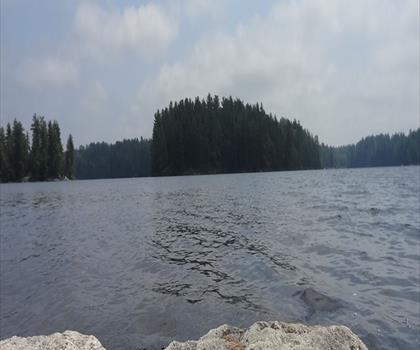
Hardy Lake
Algonquin Park, Almaguin Highlands, Muskoka and Parry Sound
Whitestone Lake
Algonquin Park, Almaguin Highlands, Muskoka and Parry Sound
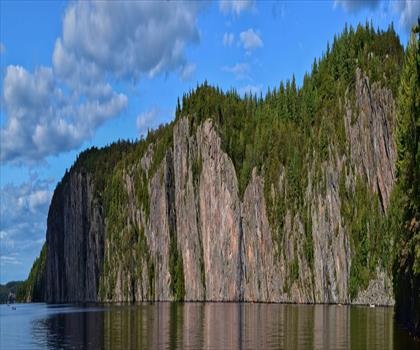
Canisbay Lake
Algonquin Park, Almaguin Highlands, Muskoka and Parry Sound
Hiking near Barrie
146 trails to explore ~180 km away
We work hard to provide the most up-to-date and error-free data possible. If something seems incorrect, let us know! Your contribution helps the whole community.
Hikers' opinions
Be the first to review!
No hiker has shared their experience yet. Share your impressions and help other hikers!