
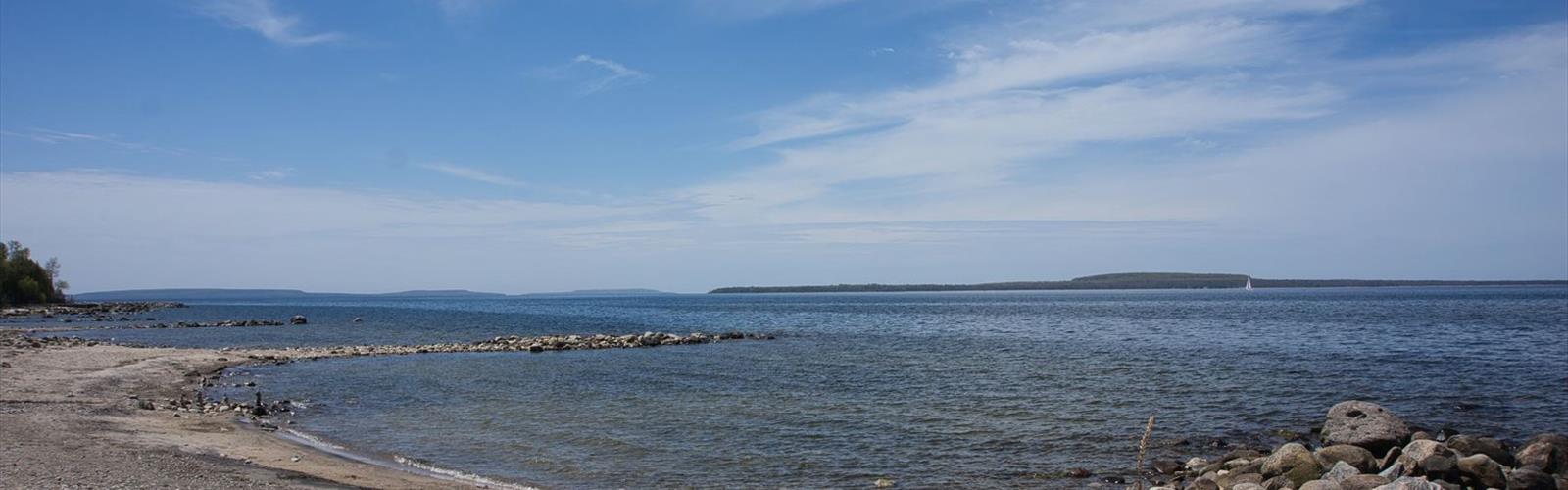

Ready to explore Beausoleil Island? Here's everything you need to know before you go!
Discover the trail
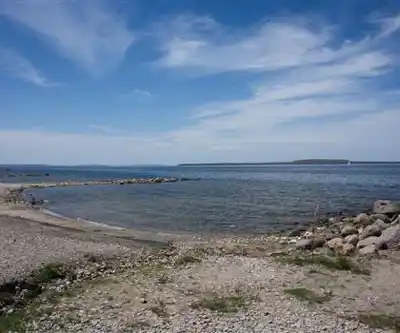
Trail description
Beausoleil Island sits at the heart of Georgian Bay Islands National Park, offering some of Ontario's most accessible wilderness hiking just two hours north of Toronto. Spread across roughly 1,100 hectares, the island brings together the rugged character of the Canadian Shield and the distinct ecosystems of Georgian Bay — a combination that makes it feel genuinely remote despite how easy it is to reach from the city.
The landscape here is shaped by ancient granite and more recent glacial work. Massive rock outcrops push up through mixed forests of maple, oak, and pine, while sheltered bays and wetlands fill in the lower ground. The contrast between the windswept rocky shores facing open Georgian Bay and the quieter inland forest means you get meaningfully different hiking experiences within a single island.
The Trail Network
Beausoleil Island's three main trails each offer a distinct experience, and together they cover enough ground to fill a full day or a multi-day camping trip. The system is well-signed and maintained, though the terrain shifts considerably from one route to the next.
The Fairy Lake Trail is the natural starting point for first-time visitors. This 1.5 km loop moves through mature hardwood forest before opening onto a small inland lake. The surface is mostly packed earth with some rooty sections — manageable in most footwear. Chipmunks and red squirrels are a constant presence, and patient hikers occasionally spot pileated woodpeckers or a black bear moving through the trees at a distance. The lake makes a good rest stop, with fallen logs providing natural seating along the shore.
The Rocky Ridge Trail is where the Canadian Shield character really comes through. This 3 km route climbs through mixed forest and breaks out onto exposed granite ridges with sweeping views across Georgian Bay. There's some scrambling involved, and the rock gets slippery when wet, so footwear with solid grip matters here. The viewpoints are worth the effort — on a clear day you can see the scattered islands of Georgian Bay stretching toward the horizon, with the distant hills of the Muskoka region visible to the east. The exposed sections heat up quickly in summer and catch the wind in shoulder seasons, so layering is a good habit.
The Northern Loop Trail is the island's most demanding option at 8 km. It pushes into the quieter northern sections of the island, where the wilderness character is most pronounced. The route crosses dense forest, wetland edges, and several granite ridges, with multiple lookout points giving different angles on Georgian Bay. Inland sections pass through areas with old-growth characteristics — large pines and maples that have had time to develop real presence. Spring and post-rain conditions can make the wetland sections muddy, so waterproof boots are worth bringing.
Combined, the three trails account for roughly 12.5 km of marked routes. The island's total hiking distance of 15 km with 212 m of elevation gain reflects a full exploration of the trail network, rated easy overall and typically completed in around 4 hours 30 minutes — though that estimate assumes a steady pace with limited stops.
Wildlife and Natural Environment
Beausoleil Island sits at a transition zone between southern Ontario's deciduous forests and the boreal regions further north, which drives its biodiversity. The island supports over 30 species of reptiles and amphibians, including the Eastern Massasauga rattlesnake — Ontario's only venomous snake. Encounters are rare, but hikers should stay aware and avoid reaching into spots they can't see clearly, particularly around rocky outcrops and log piles.
Birdwatching is strong throughout the hiking season. Spring migration pushes waves of warblers, vireos, and songbirds through the island, while summer brings woodpeckers, nuthatches, and birds of prey. The island's position along major flyways has produced a recorded species list of over 200 birds. Binoculars are worth packing, especially for the shoreline sections where waterfowl and shorebirds are common.
Plant life shifts noticeably between habitats. Wetland areas shelter rare orchids, while the exposed granite hosts hardy lichens and mosses. Late spring wildflower displays are a highlight, and fall color typically peaks in early October, when maple and oak forests set off brilliantly against the dark rock and open water.
Getting There and Practical Details
Beausoleil Island is only accessible by water. Parks Canada operates a water taxi service from Honey Harbour, located about 15 minutes north of Port Severn, running from late May through early October — though schedules depend on weather and demand. Hikers with their own watercraft can arrive by private boat as well.
Day use and overnight camping are both available on the island. Camping lets you hit the trails at first light or in the evening, which is when wildlife activity tends to peak and summer temperatures are most manageable.
A few gear notes worth keeping in mind: footwear with real grip is important for the granite sections, water sources on the island are limited so carry enough for your full outing, and insect repellent is essentially mandatory in summer — blackflies and mosquitoes can be intense on the inland sections, particularly in June and early July.
When to Go
The hiking season runs from late April through October. Spring offers active wildlife and comfortable temperatures, though some trail sections stay muddy into May. Summer gives you the longest days and full access to all services, but an early start helps beat the heat and the worst of the insects. Fall is many hikers' preferred window — the crowds thin out, the colors are exceptional, and the cooler air makes the exposed ridge sections genuinely pleasant rather than punishing.
The Essential Hiking Checklist
Everything you need for your next hike. Bilingual, printable, 1 page.
Get your free hiking checklistRecommended gear for this trail
As an Amazon Associate I earn from qualifying purchases.


Ready to go?
Everything you need to know before you goStarting Point
The beausoleil island is located in Georgian Bay, Ontario. To get to the start of the trails, take Highway 400 north to Parry Sound. From there, take Highway 69 north to Nobel. The island is located just east of Nobel.
When?
How much?
As an Amazon Associate I earn from qualifying purchases.
Affiliate links — LGPO may earn a commission at no extra cost to you.
- Hiking shoes Essential
- → Salomon Elixir Tour Mid WP · 203.38 $
- Layered clothing Essential
- Rain jacket Essential
- Trekking poles
- → Black Diamond Trail Ergo Cork · 69.99 $
- Headlamp
- → Petzl Actik Core 625 · 103.95 $
FAQ - Frequently asked questions
Everything you need to knowSimilar hikes nearby
Discover other trails you might enjoy
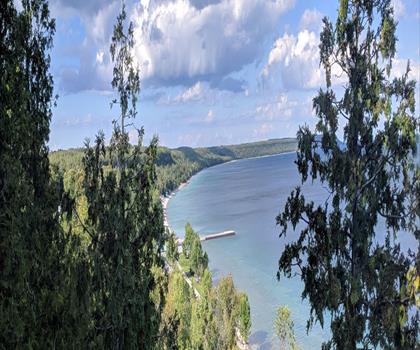
Cabot Head Provincial Park
Bruce Peninsula, Southern Georgian Bay and Lake Simcoe
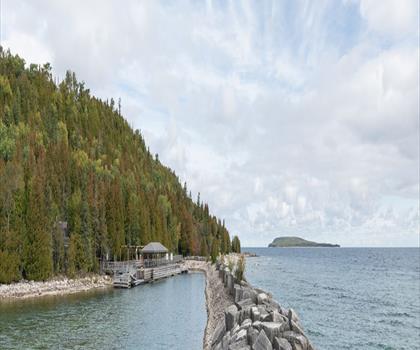
Head of Trails, Flowerpot Island
Bruce Peninsula, Southern Georgian Bay and Lake Simcoe
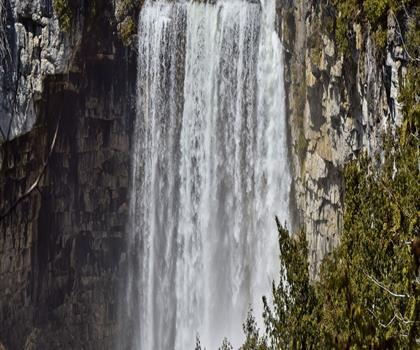
Hoggs Falls
Bruce Peninsula, Southern Georgian Bay and Lake Simcoe
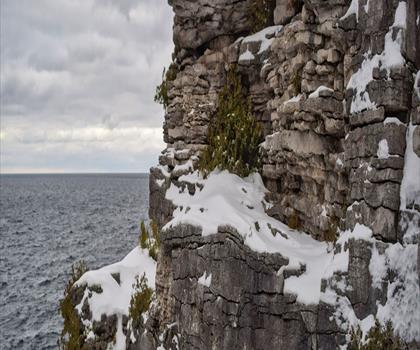
The Grotto, Bruce Peninsula National Park
Bruce Peninsula, Southern Georgian Bay and Lake Simcoe
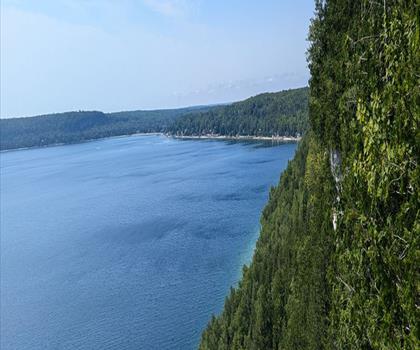
Lion’s Head Lookout Trail
Bruce Peninsula, Southern Georgian Bay and Lake Simcoe
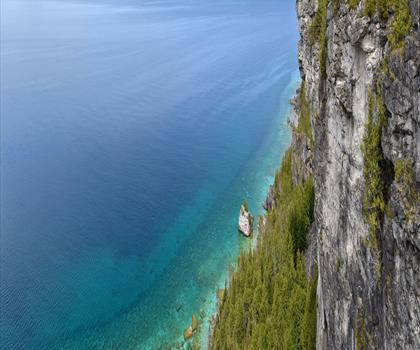
Lion’s Head Provincial Park
Bruce Peninsula, Southern Georgian Bay and Lake Simcoe
Hiking near Barrie
146 trails to explore ~56 km away
We work hard to provide the most up-to-date and error-free data possible. If something seems incorrect, let us know! Your contribution helps the whole community.
Hikers' opinions
Be the first to review!
No hiker has shared their experience yet. Share your impressions and help other hikers!