
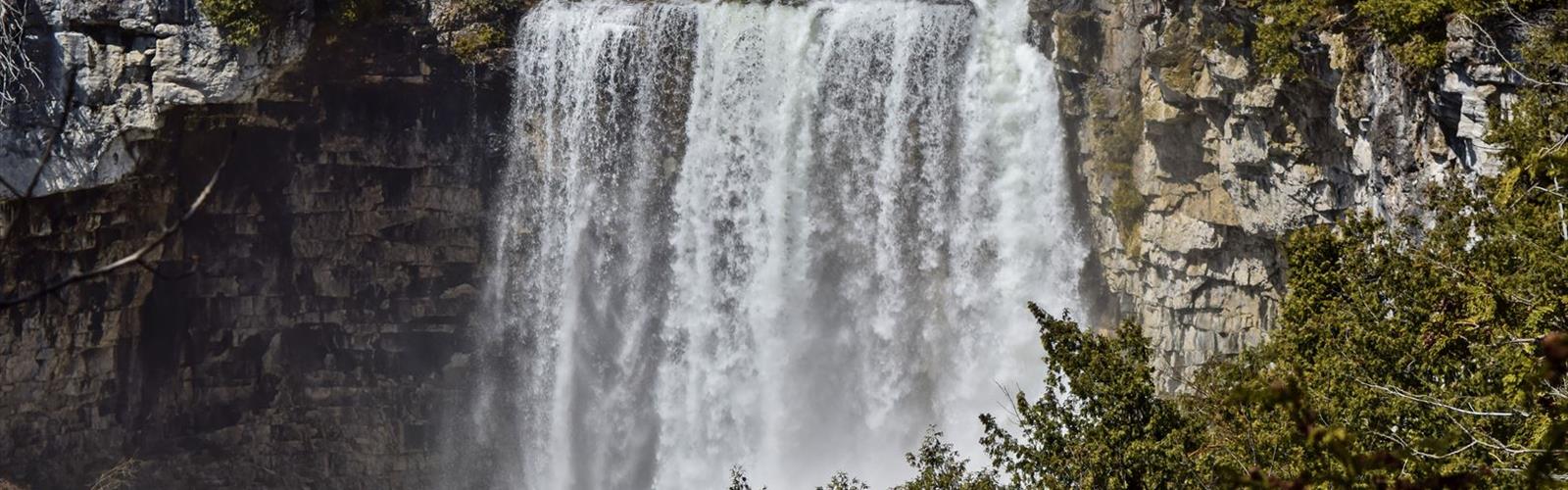

Ready to explore Hoggs Falls? Here's everything you need to know before you go!
Discover the trail
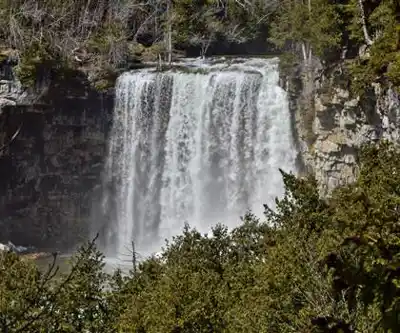
Trail description
Hoggs Falls sits quietly in the countryside near Flesherton, Ontario, offering one of the most accessible waterfall experiences in the region. This limestone cascade along the Boyne River draws hikers looking for a quick nature escape without the commitment of a full-day trek. The falls tumble over layered limestone cliffs in a series of drops, creating pools and rocky ledges that make for excellent viewing spots and photography.
What sets Hoggs Falls apart from other waterfalls in Southern Ontario is its combination of easy access and genuine natural beauty. Unlike some heavily trafficked destinations, this spot tends to hold onto a peaceful atmosphere even during busier periods. The limestone geology creates interesting rock formations, and the water runs cold and clear, reflecting the surrounding forest canopy in a way that makes the short walk feel well worth it.
The Trail Experience
The hike to Hoggs Falls is refreshingly straightforward — a short walk through mixed forest that brings you to the falls without requiring significant time or effort. Expect around 30 minutes for the full experience, though many visitors end up staying longer once they arrive. Well-marked trails guide you through dense woodland where pine, maple, and birch trees create a canopy overhead. The path is generally well-maintained, though it can become muddy during spring melt and after heavy rains, so footwear choice matters.
As you approach the falls, the sound of rushing water builds gradually, and the forest opens up to reveal the limestone gorge. The trail provides multiple vantage points, letting you take in the falls from different angles without retracing the same ground. Some visitors scramble down to the base of the falls, where the mist creates a noticeably cooler microclimate even on warm summer days. The elevation change along the trail is modest at around 50 metres, making it manageable for most fitness levels.
The surrounding forest supports a solid variety of wildlife — various bird species, chipmunks, and occasionally deer. Wildflowers bloom throughout the growing season, with trilliums, wild ginger, and ferns filling out a lush understory. The moist soil conditions near the water source encourage this kind of plant diversity, and it shows.
Seasonal Highlights
Hoggs Falls changes noticeably with the seasons, and each one brings something different to the visit. Spring delivers the most dramatic water flow as snowmelt and spring rains push the Boyne River to its highest levels. The falls are at their most powerful during this window, though trails can be muddy and slippery underfoot.
Summer offers the most comfortable conditions overall — dry trails, warm weather, and the natural air conditioning provided by the forest canopy and the mist off the falls. It's a solid choice for families or anyone wanting a relaxed outing near the water.
Autumn is arguably the most visually striking time to visit. The surrounding forest shifts into reds, oranges, and yellows that contrast sharply with the white limestone and dark water. The light in fall tends to be softer and more flattering for photography as well.
Winter access is possible, but it comes with real considerations. Ice formations around the falls can be genuinely impressive — the falls may partially freeze into sculptural shapes — but the rocks and trail surfaces become hazardous. Extra caution is warranted, and microspikes or traction devices are worth bringing if you plan a winter visit.
Connecting to the Bruce Trail
For hikers wanting to extend their time in the area, the nearby Bruce Trail offers additional exploration beyond the falls themselves. This section of Ontario's famous long-distance trail provides access to broader views of the surrounding landscape and connects to other natural features in the region. The Bruce Trail's well-maintained pathway and clear white blazing make it easy to add distance to your Hoggs Falls visit without much navigation effort.
The varied terrain along this stretch includes forest paths, open meadows, and rocky outcrops that give a good sense of the geological character of the region. Ambitious hikers can use the trail system to link multiple destinations into a longer outing.
What to Bring
Sturdy footwear is the most important gear consideration here. The limestone can be genuinely slippery when wet, and if you plan to explore around the base of the falls or venture onto the Bruce Trail, proper grip matters for safety. Waterproof or water-resistant boots are a smart call during spring and after rain.
Bring more water than you think you'll need. The short nature of the hike can be misleading — the peaceful setting encourages lingering, and the various viewpoints tend to invite longer stays than originally planned.
If you're bringing a camera, a tripod is worth the extra weight. The combination of flowing water, layered limestone, and forest scenery gives you a lot to work with, and longer exposures can produce that smooth, silky water effect that works particularly well at a falls like this.
Parking is available near the trailhead, though space can be limited during peak times. Arriving earlier in the day generally means better parking availability and a quieter experience at the falls. Before heading out, it's worth checking local conditions — especially in spring when water levels can shift quickly, or in winter when ice may affect trail safety.
The Essential Hiking Checklist
Everything you need for your next hike. Bilingual, printable, 1 page.
Get your free hiking checklistRecommended gear for this trail
As an Amazon Associate I earn from qualifying purchases.


Ready to go?
Everything you need to know before you goStarting Point
The easiest way to get to the start of the trails at hoggs falls is to drive north from Toronto on Highway 400. Take exit 87 and turn left onto Highway 11. Drive for about 15 minutes until you reach the town of Stayner. Turn right onto County Road 124 and drive for about 5 minutes until you reach the parking lot for hoggs falls.
When?
How much?
As an Amazon Associate I earn from qualifying purchases.
Affiliate links — LGPO may earn a commission at no extra cost to you.
- Hiking shoes Essential
- → Salomon Elixir Tour Mid WP · 203.38 $
- Layered clothing Essential
- Rain jacket Essential
- Trekking poles
- → Black Diamond Trail Ergo Cork · 69.99 $
- Headlamp
- → Petzl Actik Core 625 · 103.95 $
FAQ - Frequently asked questions
Everything you need to knowSimilar hikes nearby
Discover other trails you might enjoy
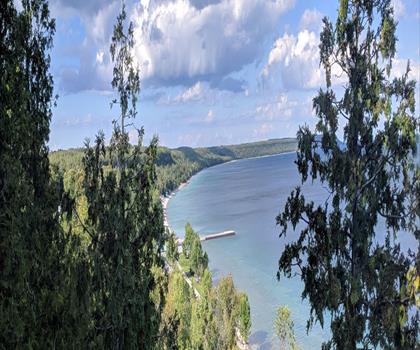
Cabot Head Provincial Park
Bruce Peninsula, Southern Georgian Bay and Lake Simcoe
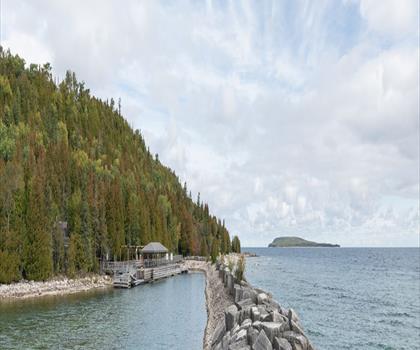
Head of Trails, Flowerpot Island
Bruce Peninsula, Southern Georgian Bay and Lake Simcoe
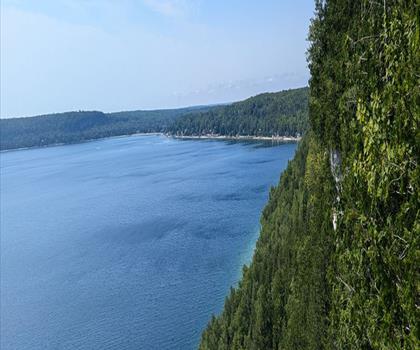
Lion’s Head Lookout Trail
Bruce Peninsula, Southern Georgian Bay and Lake Simcoe
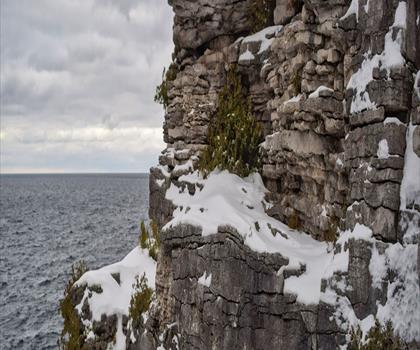
The Grotto, Bruce Peninsula National Park
Bruce Peninsula, Southern Georgian Bay and Lake Simcoe
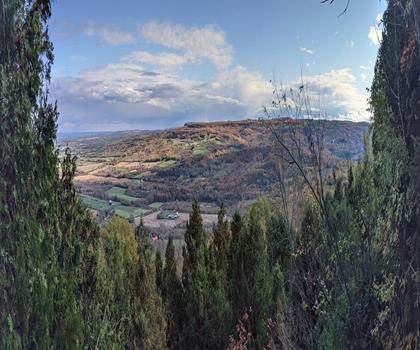
Pretty River Valley Provincial Park
Bruce Peninsula, Southern Georgian Bay and Lake Simcoe
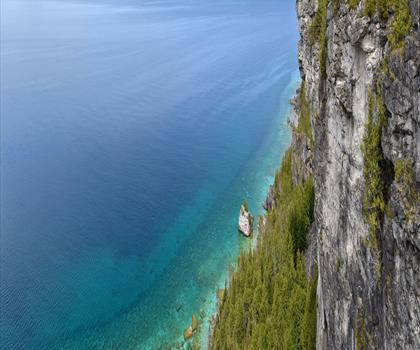
Lion’s Head Provincial Park
Bruce Peninsula, Southern Georgian Bay and Lake Simcoe
Hiking near Barrie
146 trails to explore ~69 km away
We work hard to provide the most up-to-date and error-free data possible. If something seems incorrect, let us know! Your contribution helps the whole community.
Hikers' opinions
Be the first to review!
No hiker has shared their experience yet. Share your impressions and help other hikers!