
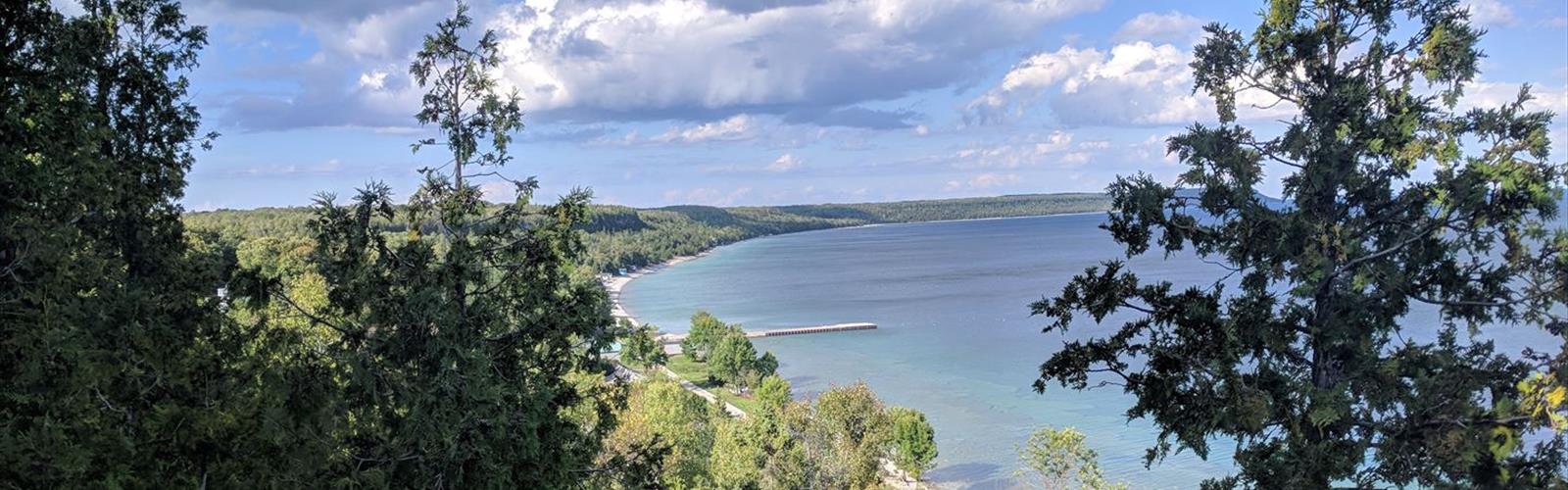

Ready to explore Cabot Head Provincial Park? Here's everything you need to know before you go!
Discover the trail
Trail description
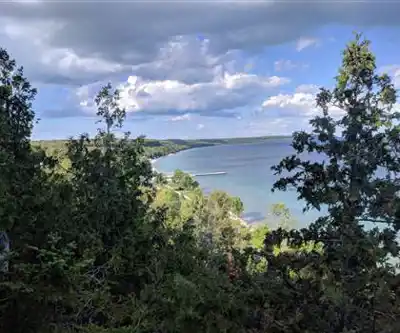
Cabot Head Provincial Park sits at the northern tip of the Bruce Peninsula, where the rugged limestone cliffs of the Niagara Escarpment meet the crystal-clear waters of Georgian Bay. This relatively small but spectacular park offers some of the most dramatic coastal scenery in Ontario, combining accessible hiking with stunning panoramic views that stretch across the bay to Manitoulin Island and beyond.
The park's 11-kilometer trail system winds through diverse terrain that showcases the unique ecology of the Bruce Peninsula. You'll traverse dense mixed forests of cedar, birch, and maple before emerging onto open limestone pavements dotted with rare wildflowers and hardy shrubs. The contrast between the sheltered woodland paths and the exposed clifftop sections creates a hiking experience that feels much more varied than the park's compact size might suggest.
The Escarpment Trail Experience
The main hiking route follows the edge of the Niagara Escarpment, offering continuous views of Georgian Bay's turquoise waters. The trail gains about 50 meters of elevation as it climbs from the shoreline to the top of the escarpment, but the grade is manageable for most hikers with moderate experience. The limestone bedrock creates natural steps and terraces, making the ascent feel more like a series of gentle rises than a sustained climb.
Expect to spend around three and a quarter hours completing the full circuit, though you'll want to budget extra time for photography and simply taking in the views. The moderate difficulty rating reflects both the manageable elevation gain and the need for sure footing on limestone surfaces that can become slippery when wet.
From the highest viewpoints, the panoramic vistas encompass the full sweep of Georgian Bay, with its countless islands and shoals visible on clear days. The water color shifts from deep blue in the distance to brilliant turquoise near shore, where the limestone bottom reflects light upward through the exceptionally clear water. These viewpoints provide perfect spots for photography, especially during the golden hours of early morning or late afternoon.
The clifftop sections require attention to footing, as the limestone can be slippery when wet and the drops are significant. Well-placed railings and barriers mark the most hazardous areas, but hikers should stay alert and keep children close during these portions of the trail.
Forest Sections and Inland Terrain
The inland portions of the trail offer a completely different hiking experience as you move away from the exposed clifftops into the sheltered forest environment. Here, the canopy provides welcome relief from sun and wind, and the trail surface becomes softer underfoot with accumulated leaf litter and forest duff.
These wooded sections showcase the remarkable diversity of plant communities that thrive in the unique conditions created by the limestone bedrock and the moderating influence of Georgian Bay. Ancient cedars cling to crevices in the rock, their gnarled roots finding purchase in seemingly impossible places. The understory bursts with wildflowers during spring and early summer, creating carpets of color beneath the forest canopy.
The transition zones between forest and open limestone pavement are particularly fascinating, as you can observe how plant communities adapt to the changing conditions over just a few meters of distance. These ecological edges support some of the park's most interesting botanical discoveries.
Wildlife and Natural Features
The park's location at the tip of the peninsula creates a natural funnel for wildlife movement, making it an excellent spot for animal observation. White-tailed deer are commonly seen throughout the park, particularly in the early morning and evening hours. Red foxes hunt in the open meadows, while the forest sections shelter smaller mammals like chipmunks and red squirrels.
Bird watching opportunities abound, especially during spring and fall migration periods when the peninsula serves as a crucial corridor for species crossing Georgian Bay. Hawks, eagles, and other raptors use the thermal currents along the escarpment, while the shoreline attracts various waterfowl and shorebirds. The diverse habitats within the park support both forest species like woodpeckers and warblers, and open-country birds that prefer the limestone barrens.
The unique geology of the area creates microhabitats that support rare plants typically found much farther north. The limestone pavements host specialized communities of wildflowers, including several orchid species that bloom throughout the summer months. The combination of the moderating influence of Georgian Bay and the alkaline soil conditions creates growing conditions unlike anywhere else in southern Ontario.
Historic Cabot Head Lighthouse
The historic Cabot Head Lighthouse stands as the park's most prominent landmark and a testament to the area's maritime heritage. Built in 1896, this white wooden tower has guided vessels through the treacherous waters at the northern tip of the Bruce Peninsula for over a century. The lighthouse and its associated keeper's dwelling have been carefully restored and now serve as an interpretive center.
The lighthouse offers insight into the challenges faced by early mariners navigating Georgian Bay's rocky coastline and unpredictable weather. The surrounding waters contain numerous shipwrecks, evidence of the hazardous conditions that made lighthouses like Cabot Head essential for safe passage. Visitors can explore the lighthouse interior and learn about the daily life of lighthouse keepers and their families in this remote location.
The lighthouse serves as both a destination and a navigation point during your hike, visible from many sections of the trail and providing a sense of scale against the dramatic landscape.
Camping and Extended Stays
The park's campground provides an opportunity to experience the dramatic landscape during different times of day and weather conditions. Campsites are situated in the forest, offering shelter from the often-strong winds that sweep across the peninsula. The proximity to the shoreline means you'll fall asleep to the sound of waves against the limestone shore, a natural soundtrack that varies with weather conditions and wind direction.
Evening hours bring particularly magical lighting conditions, as the setting sun illuminates the limestone cliffs and creates dramatic silhouettes of the scattered islands in Georgian Bay. The lack of light pollution in this remote location makes for excellent stargazing opportunities, with the Milky Way clearly visible on clear nights.
Campfire programs and interpretive activities help visitors understand the natural and cultural history of the area. The combination of camping and hiking allows for a more immersive experience of the park's seasonal changes and the subtle variations in light and atmosphere that occur throughout the day.
Practical Considerations
The exposed nature of much of the trail system means weather conditions can change the hiking experience significantly. Strong winds are common, especially along the clifftop sections, and can make the trails feel much cooler than the actual temperature. Sturdy hiking boots with good grip are essential, as the limestone surfaces can be slippery, particularly when wet or covered with fallen leaves.
Bring plenty of water, as the park's remote location and exposure to sun and wind can lead to faster dehydration than you might expect. The limestone terrain reflects heat and light, intensifying sun exposure even on partially cloudy days. A camera is essential for capturing the spectacular views, but be prepared for challenging lighting conditions with bright reflections off the water and limestone.
The park's commitment to preserving its pristine natural environment means following Leave No Trace principles is particularly important. The fragile limestone ecosystems and rare plant communities require careful protection, so staying on designated trails helps preserve these unique habitats for future visitors to enjoy.
The Essential Hiking Checklist
Everything you need for your next hike. Bilingual, printable, 1 page.
Get your free hiking checklistRecommended gear for this trail
As an Amazon Associate I earn from qualifying purchases.


Ready to go?
Everything you need to know before you goStarting Point
The cabot head provincial park is located in Ontario. To get to the start of the trails, take Highway 6 north from Wiarton to Cape Croker. Turn left onto Cabot Head Road and drive for about 5 km until you reach the park entrance.
When?
How much?
As an Amazon Associate I earn from qualifying purchases.
Affiliate links — LGPO may earn a commission at no extra cost to you.
- Hiking shoes Essential
- → Salomon Elixir Tour Mid WP · 203.38 $
- Layered clothing Essential
- Rain jacket Essential
- Trekking poles
- → Black Diamond Trail Ergo Cork · 69.99 $
- Headlamp
- → Petzl Actik Core 625 · 103.95 $
FAQ - Frequently asked questions
Everything you need to knowSimilar hikes nearby
Discover other trails you might enjoy
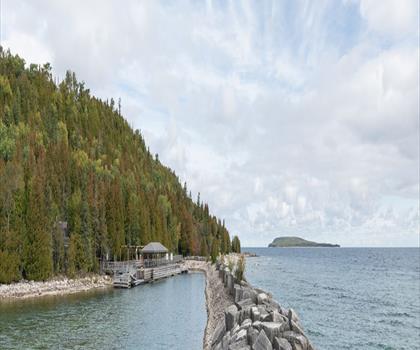
Head of Trails, Flowerpot Island
Bruce Peninsula, Southern Georgian Bay and Lake Simcoe
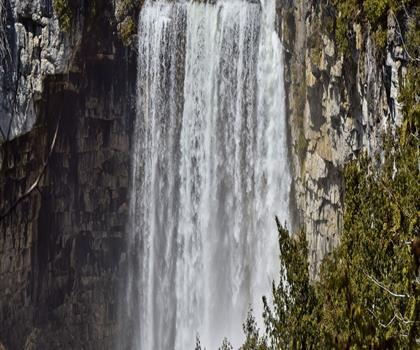
Hoggs Falls
Bruce Peninsula, Southern Georgian Bay and Lake Simcoe
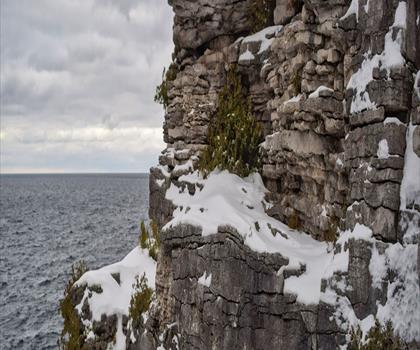
The Grotto, Bruce Peninsula National Park
Bruce Peninsula, Southern Georgian Bay and Lake Simcoe
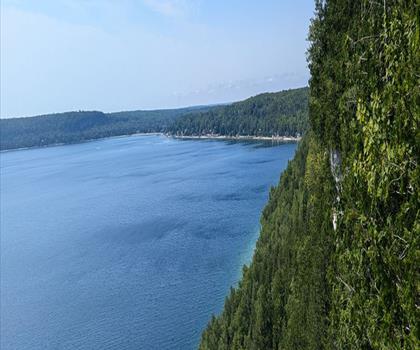
Lion’s Head Lookout Trail
Bruce Peninsula, Southern Georgian Bay and Lake Simcoe
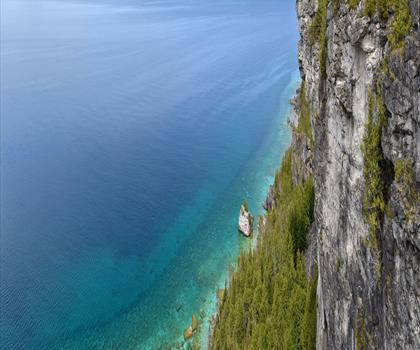
Lion’s Head Provincial Park
Bruce Peninsula, Southern Georgian Bay and Lake Simcoe
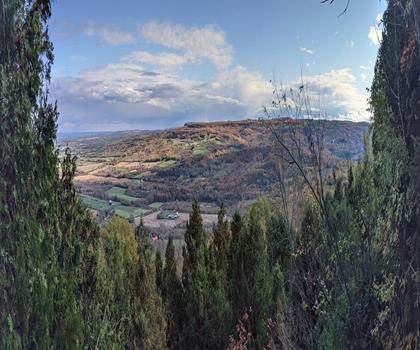
Pretty River Valley Provincial Park
Bruce Peninsula, Southern Georgian Bay and Lake Simcoe
Hiking near Barrie
146 trails to explore ~160 km away
We work hard to provide the most up-to-date and error-free data possible. If something seems incorrect, let us know! Your contribution helps the whole community.
Hikers' opinions
Be the first to review!
No hiker has shared their experience yet. Share your impressions and help other hikers!