
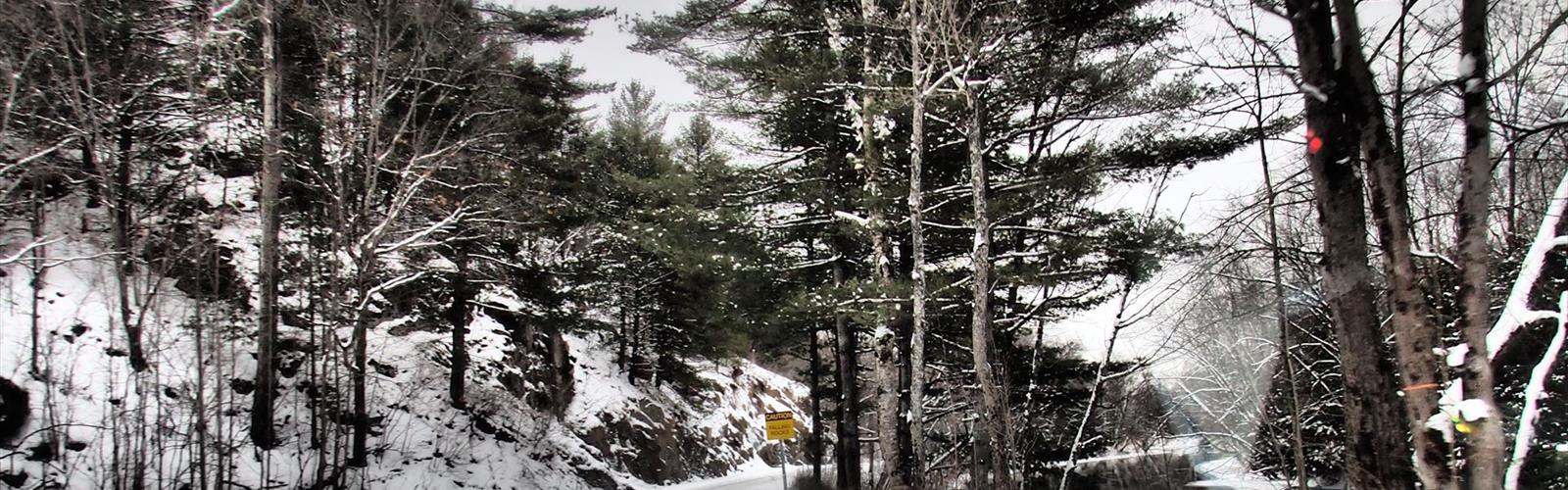

Ready to explore Coopers Falls? Here's everything you need to know before you go!
Discover the trail
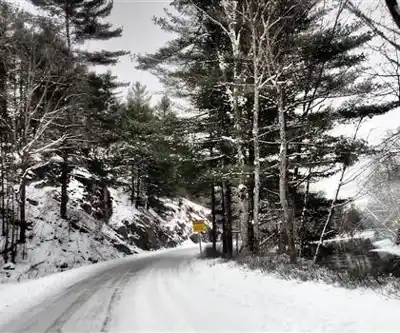
Trail description
Coopers Falls is one of those quieter discoveries in the Bruce Peninsula, Southern Georgian Bay and Lake Simcoe region — a waterfall destination that rewards hikers who venture away from the more heavily trafficked shoreline trails. While the Bruce Peninsula is best known for its dramatic cliffs and turquoise Georgian Bay waters, this inland spot offers something genuinely different: a forested hike that builds toward a rewarding payoff at the falls.
The Trail
The out-and-back covers around 8 km with approximately 150 meters of elevation gain, and most hikers budget about 3.5 hours for the full experience. That's a comfortable pace that leaves time to linger at the falls without feeling rushed. The elevation gain is spread out enough that the trail never feels punishing, though the cumulative climb does add a moderate edge to what might otherwise read as an easy walk.
The path winds through dense mixed forest — maple, birch, and oak make up most of the canopy — with the trail following the natural contours of the landscape as it works toward the waterfall. You'll track alongside the watercourse for portions of the route, which means the sound of moving water becomes a consistent companion well before you reach the main falls. Stream crossings add a bit of variety to the terrain, and the trail surface shifts between packed earth, exposed roots, and sections of limestone bedrock as you get closer to the falls.
Rocky footing near the waterfall is the section that demands the most attention. The limestone can be slick, especially after rain or during spring runoff, so solid footwear with good grip matters here. Hiking boots are the right call. Muddy patches show up in lower sections of the trail after wet weather, and spring snowmelt can make some stretches genuinely soggy.
At the Falls
The waterfall itself drops over ancient limestone formations, and the geology here is worth paying attention to. The rock tells a long story about this region's past, and the constant moisture from the falls has created its own small ecosystem at the base — moss-covered rocks, damp ledges, and plant communities that thrive specifically because of the spray and shade. The pool at the bottom is modest but photogenic, and the cool air around the base makes it a natural rest stop.
The limestone geology supports plant species you won't find in the drier forest sections of the trail. Mosses and ferns colonize the rock faces directly, and the alkaline soil conditions around the falls favor a distinct set of ground-level plants. It's a good reminder that waterfall environments function as their own microhabitats, not just scenic endpoints.
Wildlife Along the Way
The mixed forest and stream corridor together create varied habitat, which translates to decent wildlife diversity. White-tailed deer are the most commonly spotted large mammals, particularly during early morning and late afternoon. Woodpeckers, nuthatches, and seasonal migrants use the forest canopy, and the stream sections attract species that prefer waterside habitat. Chipmunks and squirrels are reliably present throughout the trail. The transition zones between forest and streamside are worth slowing down for — habitat edges tend to concentrate wildlife activity.
Seasonal Considerations
Spring is when Coopers Falls shows its most dramatic side. Snowmelt pushes water volume up significantly, and the falls run at full force. The forest floor responds with trilliums, bloodroot, and other early wildflowers. The trade-off is that trail conditions are at their wettest and muddiest during this window.
Summer brings comfortable hiking under a full canopy that keeps temperatures manageable even on warm days. Wildlife activity is high, and the ferns and moisture-loving plants around the falls are at their most lush. Fall shifts the mood entirely — the hardwood forest puts on a strong color display, and the contrast between the orange and red canopy and the grey limestone is genuinely striking. Water levels tend to drop by late autumn, but the falls remain active.
Winter hiking is feasible for those with appropriate gear and experience in snow conditions. The waterfall may develop partial ice formations while still flowing underneath, which creates an unusual visual. The forest is quiet and the trail sees far less traffic, which appeals to hikers looking for solitude.
Practical Notes
Cell coverage is unreliable in this area. The forest and inland location create dead zones, so plan accordingly — let someone know your itinerary and expected return time before you head out. Carry a basic first aid kit and a trail map even if you're familiar with well-marked routes, since the forest canopy can make the surroundings feel more remote than the distance suggests.
The parking area can fill up on fall weekends when the color draw is strongest. An early start solves both the parking problem and gives you the best conditions for wildlife sightings and a quieter experience at the falls.
Bring more water than you think you need — the elevation gain and the length of the trail add up, and the shade can make it easy to underestimate how much you're exerting yourself, particularly in summer.
The Essential Hiking Checklist
Everything you need for your next hike. Bilingual, printable, 1 page.
Get your free hiking checklistRecommended gear for this trail
As an Amazon Associate I earn from qualifying purchases.


Ready to go?
Everything you need to know before you goStarting Point
The trails at the coopers falls in Ontario can be accessed from the parking lot on County Road 10.
When?
How much?
As an Amazon Associate I earn from qualifying purchases.
Affiliate links — LGPO may earn a commission at no extra cost to you.
- Hiking shoes Essential
- → Salomon Elixir Tour Mid WP · 203.38 $
- Layered clothing Essential
- Rain jacket Essential
- Trekking poles
- → Black Diamond Trail Ergo Cork · 69.99 $
- Headlamp
- → Petzl Actik Core 625 · 103.95 $
FAQ - Frequently asked questions
Everything you need to knowSimilar hikes nearby
Discover other trails you might enjoy
Cabot Head Provincial Park
Bruce Peninsula, Southern Georgian Bay and Lake Simcoe
Head of Trails, Flowerpot Island
Bruce Peninsula, Southern Georgian Bay and Lake Simcoe
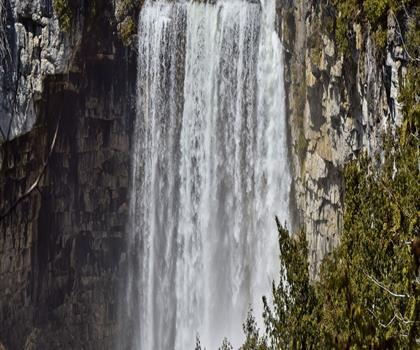
Hoggs Falls
Bruce Peninsula, Southern Georgian Bay and Lake Simcoe
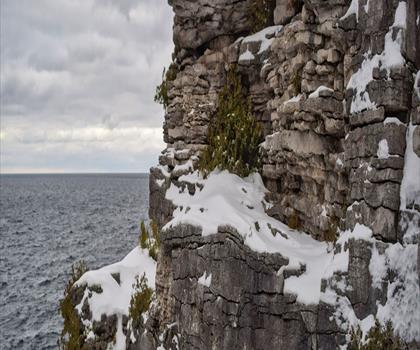
The Grotto, Bruce Peninsula National Park
Bruce Peninsula, Southern Georgian Bay and Lake Simcoe
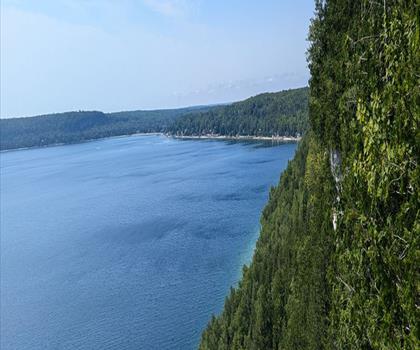
Lion’s Head Lookout Trail
Bruce Peninsula, Southern Georgian Bay and Lake Simcoe
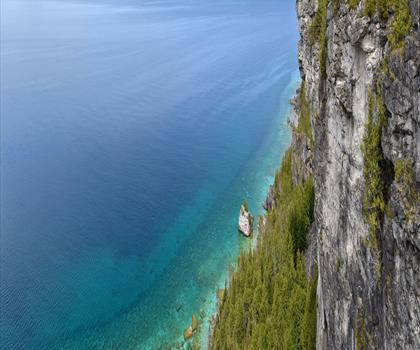
Lion’s Head Provincial Park
Bruce Peninsula, Southern Georgian Bay and Lake Simcoe
Hiking near Barrie
146 trails to explore ~57 km away
We work hard to provide the most up-to-date and error-free data possible. If something seems incorrect, let us know! Your contribution helps the whole community.
Hikers' opinions
Be the first to review!
No hiker has shared their experience yet. Share your impressions and help other hikers!