
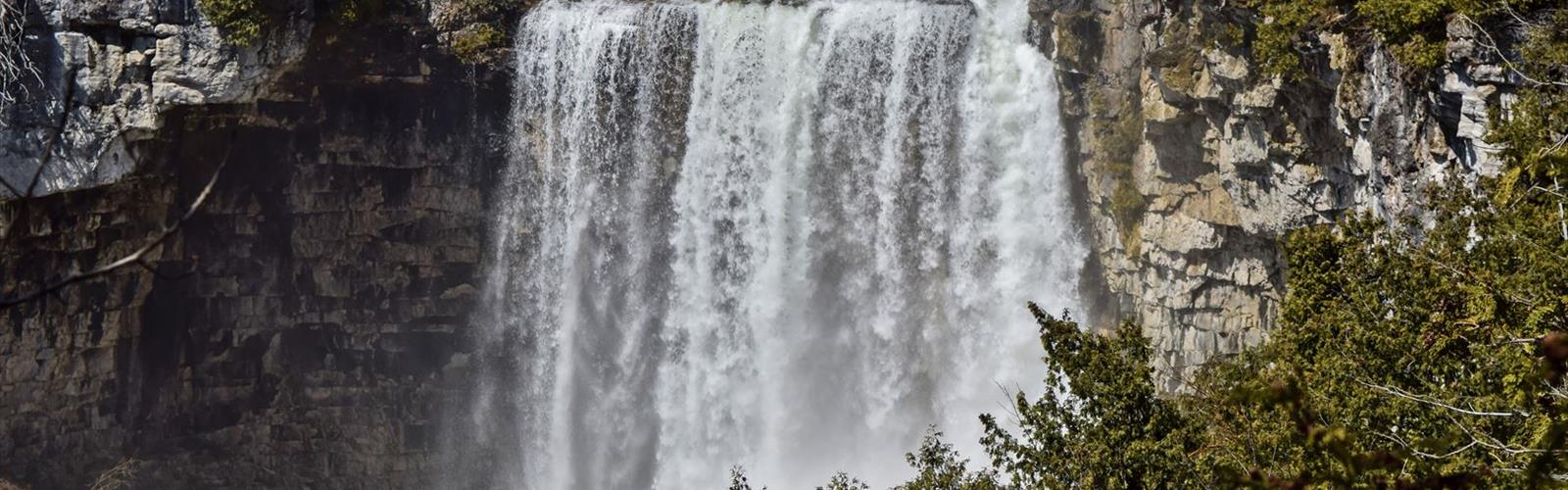

Ready to explore Eugenia Falls? Here's everything you need to know before you go!
Discover the trail
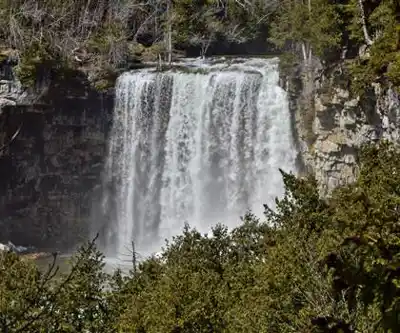
Trail description
Eugenia Falls and the character of this corner of Ontario
Eugenia Falls sits in the heart of Grey County, within the broader Bruce Peninsula, Southern Georgian Bay and Lake Simcoe region of Ontario. It's one of those places that earns its reputation not through sheer scale but through the quality of what it delivers in a compact package: a genuine waterfall, a short but engaging trail, and a natural setting that feels removed from the surrounding countryside without requiring a serious commitment of time or energy. For hikers in this part of Ontario, it's a reliable destination that punches above its weight.
The falls themselves drop into the Beaver River valley, and the gorge they've carved over time gives the site a sense of drama that you don't always expect from a short outing. The exposed rock walls, the sound of moving water, and the depth of the valley below the viewpoints all contribute to an experience that feels more substantial than the trail length might suggest. This is a place where the destination does a lot of the work.
What the trail actually involves
The route at Eugenia Falls is short and accessible, making it a strong option for families, casual hikers, and anyone looking for a rewarding outing without a major physical commitment. The elevation change of 30 m is modest but noticeable — enough to give the trail some texture and to make the descent toward the gorge feel purposeful. You're not walking on flat ground the whole time, but you're also not grinding through a sustained climb.
The path leads you to viewpoints overlooking the falls and the Beaver River gorge below. The best vantage points put you close enough to appreciate the full drop of the waterfall and the scale of the valley walls. It's the kind of spot where most people naturally slow down, take it in, and linger before heading back. The trail itself is well-defined and manageable underfoot, though the terrain near the gorge edge calls for basic attentiveness — this isn't a place to be distracted or careless near the rim.
The gorge and the falls: what makes this site stand out
Eugenia Falls is one of the more visually striking waterfall destinations in this region of Ontario. The Beaver River drops a significant height into the gorge, and the surrounding rock faces give the whole scene a rugged, carved-out quality that sets it apart from gentler waterfall sites. The gorge itself is the product of long geological work, and standing at the viewpoint, you get a clear sense of how the river has shaped the landscape over time.
The sound of the falls carries well before you reach the viewpoint, which adds to the sense of arrival as you move along the trail. Water volume varies with the season and recent rainfall, so the experience can shift considerably depending on when you visit — higher flow periods tend to amplify both the visual impact and the sound. That variability is part of what makes return visits worthwhile.
Who this trail suits best
Eugenia Falls works well for a wide range of visitors. The limited elevation change and short distance make it approachable for hikers of most fitness levels, including those who don't hike regularly. It's a natural fit for:
- Families with younger children looking for a trail that delivers a genuine payoff without an exhausting distance.
- Casual hikers who want a scenic outing in the Grey County area without committing to a half-day or full-day effort.
- Visitors to the broader Bruce Peninsula and Southern Georgian Bay region who want to add a waterfall stop to their itinerary.
- Photographers and anyone drawn to geological features, river gorges, and moving water.
The site's accessibility also means it can get busy during peak periods, particularly on weekends in warmer months. Arriving earlier in the day tends to give you a quieter experience at the viewpoints and easier parking.
Practical considerations before you go
Eugenia Falls is managed as a conservation area, so it's worth checking current access conditions and any applicable fees before your visit. The parking area provides the main access point for the trail, and the walk from there to the falls viewpoints is straightforward to navigate.
Footwear with decent grip is a sensible choice — the terrain near the gorge can be uneven, and wet conditions make some sections slippery. The 30 m of elevation change is concentrated in specific parts of the trail rather than spread evenly, so there are short sections that require a bit more care underfoot. Staying on the marked trail and respecting the barriers near the gorge edge is important for safety given the drop involved.
The site is worth visiting across multiple seasons: spring tends to bring higher water volume and a more dramatic falls, while fall offers the added layer of foliage colour in the surrounding valley. Whatever the season, Eugenia Falls delivers a concentrated, high-quality natural experience that holds up as one of the better short outings in this part of Ontario.
The Essential Hiking Checklist
Everything you need for your next hike. Bilingual, printable, 1 page.
Get your free hiking checklistRecommended gear for this trail
As an Amazon Associate I earn from qualifying purchases.


Ready to go?
Everything you need to know before you goStarting Point
The eugenia falls are located in the town of Eugenia, which is in the county of Grey, in the province of Ontario. To get to the falls, take Highway 26 east from Owen Sound to Eugenia. The falls are located on the north side of the highway.
When?
How much?
As an Amazon Associate I earn from qualifying purchases.
Affiliate links — LGPO may earn a commission at no extra cost to you.
- Hiking shoes Essential
- → Salomon Elixir Tour Mid WP · 203.38 $
- Layered clothing Essential
- Rain jacket Essential
- Trekking poles
- → Black Diamond Trail Ergo Cork · 69.99 $
- Headlamp
- → Petzl Actik Core 625 · 103.95 $
FAQ - Frequently asked questions
Everything you need to knowSimilar hikes nearby
Discover other trails you might enjoy
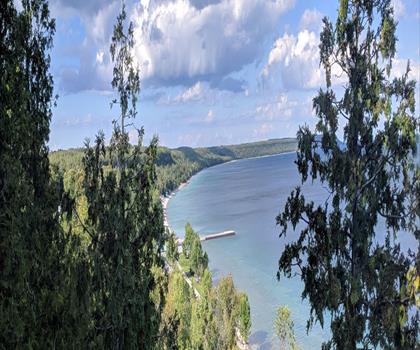
Cabot Head Provincial Park
Bruce Peninsula, Southern Georgian Bay and Lake Simcoe
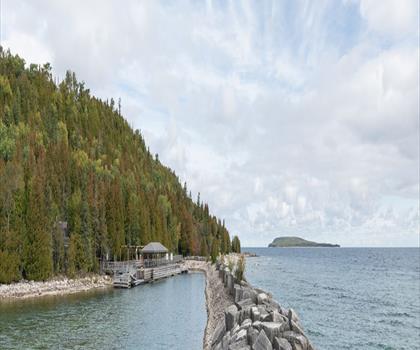
Head of Trails, Flowerpot Island
Bruce Peninsula, Southern Georgian Bay and Lake Simcoe
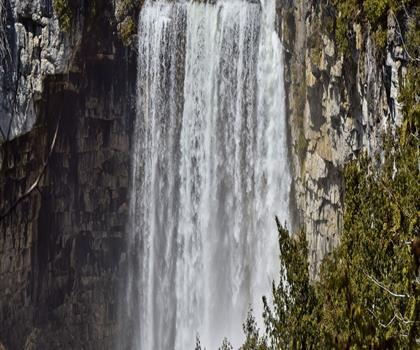
Hoggs Falls
Bruce Peninsula, Southern Georgian Bay and Lake Simcoe
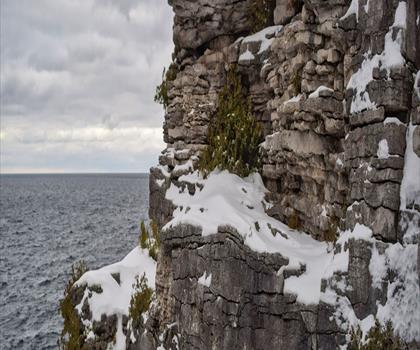
The Grotto, Bruce Peninsula National Park
Bruce Peninsula, Southern Georgian Bay and Lake Simcoe
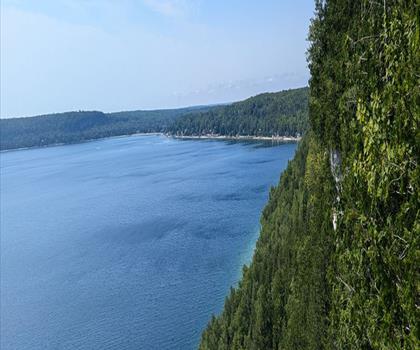
Lion’s Head Lookout Trail
Bruce Peninsula, Southern Georgian Bay and Lake Simcoe
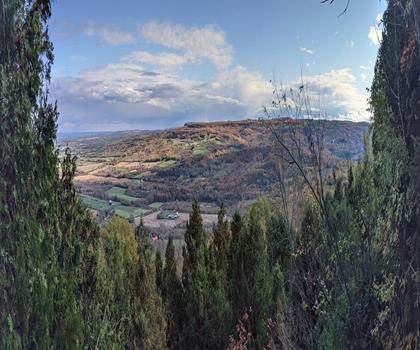
Pretty River Valley Provincial Park
Bruce Peninsula, Southern Georgian Bay and Lake Simcoe
Hiking near Barrie
146 trails to explore ~67 km away
We work hard to provide the most up-to-date and error-free data possible. If something seems incorrect, let us know! Your contribution helps the whole community.
Hikers' opinions
Be the first to review!
No hiker has shared their experience yet. Share your impressions and help other hikers!