
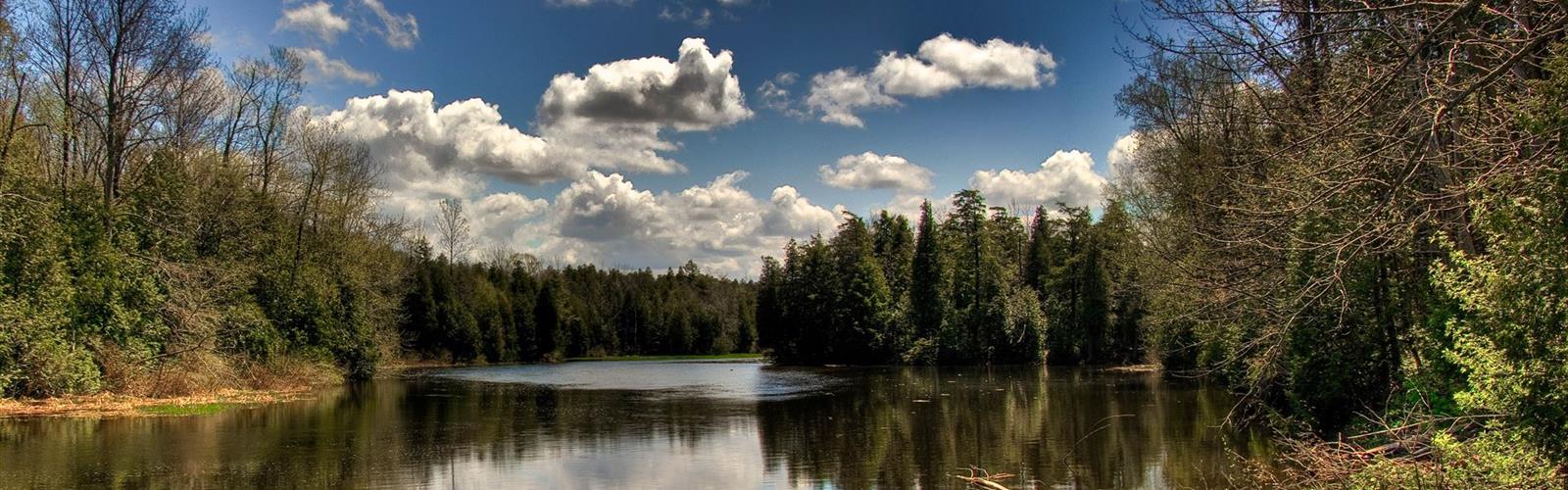

Ready to explore Inglis Falls Conservation Area? Here's everything you need to know before you go!
Discover the trail
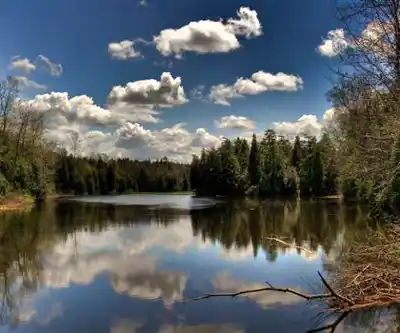
Trail description
Inglis Falls Conservation Area is one of those places that earns its reputation the moment you hear the falls before you see them. Located in Ontario's Bruce Peninsula, Southern Georgian Bay, and Lake Simcoe region, this conservation area is built around an 18-meter waterfall where the Sydenham River drops over ancient limestone cliffs — a dramatic feature that anchors the entire experience and keeps people coming back across every season.
The falls themselves are the obvious draw, but what makes Inglis Falls worth a full visit rather than a quick roadside stop is the variety of ways you can experience them. The trail network gives you access to multiple vantage points — above the crest, alongside the river below, and from viewing platforms that frame the cascade against the surrounding escarpment. The limestone geology here is part of the Niagara Escarpment, and the exposed rock faces near the falls reveal sedimentary layers and fossil deposits that tell a story going back millions of years. It's genuinely interesting terrain, not just a backdrop.
The Trail Network
The conservation area covers over 200 hectares and offers a trail system that works for a wide range of visitors. Families with young children, casual walkers, and more dedicated hikers all find something here. The paths wind through mature hardwood forest — maple, oak, and beech dominate — which means excellent shade in summer and some of the best fall color in the region. The canopy shifts the whole character of a walk depending on the time of year.
Trails run along both the upper and lower sections of the Sydenham River, so you get the falls from multiple angles rather than a single fixed viewpoint. Boardwalks and viewing platforms are integrated into the route in key spots, protecting sensitive areas while keeping the best sightlines open. The terrain includes some uneven sections and steeper stretches near the falls, so sturdy footwear is worth the effort even if the overall elevation change is modest at 18 meters.
The conservation area also connects to the Bruce Trail, one of Canada's oldest and longest marked footpaths. For hikers who want to extend their day or explore more of the escarpment, this connection opens up a much larger network. The Bruce Trail section through this area is well-maintained and offers some of the most scenic walking in the region.
Wildlife and Natural Features
The mix of river corridor, limestone cliffs, and mature hardwood forest creates a layered habitat that supports a solid variety of wildlife. White-tailed deer are regularly spotted, particularly in the early morning and evening when they come down to the river. The forest draws woodpeckers, nuthatches, and a good range of warblers during migration — it's a productive spot for birders without requiring any special effort to find birds.
The consistently moist microclimate near the falls and river supports plant communities you won't find on drier upland trails. In spring and early summer, the forest floor fills in with trilliums, wild ginger, and fern species that thrive in the limestone-rich, humid conditions. The rare plant communities here are part of what gives the conservation area its ecological significance beyond the waterfall itself.
The rock faces near the falls are worth slowing down for. Fossils embedded in the limestone are visible in several spots, and the erosion patterns carved by centuries of water flow have created small caves and undercuts that add texture to the geology walk.
Historical Context
The falls have a history that goes beyond the natural landscape. In the 1800s, Peter Inglis established a grist mill here, taking advantage of the powerful water flow to serve the surrounding agricultural communities. The stone foundation remnants are still visible near the base of the falls, and interpretive information on-site explains how the mill operated and what it meant to the local economy. It's a grounding detail — standing next to those ruins while the same water that powered the mill continues to pour over the same limestone gives the place a sense of continuity that's easy to appreciate.
Practical Information
The visitor center near the main entrance is a useful first stop. Staff can provide current trail maps, fill you in on seasonal conditions, and point you toward routes that match what you're looking for — whether that's the best photography angles, a shorter loop for younger kids, or a longer outing on the Bruce Trail. Parking is available near the main entrance with clear signage to the primary trailheads, and the main waterfall viewpoint is reachable within a short walk from the lot, which makes this accessible for visitors who can't manage longer distances.
Trails are maintained year-round, though each season changes the experience considerably. Spring brings the highest water volume and the most dramatic falls, along with the first wildflowers. Summer is the most comfortable for hiking under the full canopy. Fall delivers the hardwood color that the maple-dominated forest is known for. Winter turns the falls into ice formations that attract photographers specifically for that purpose — but footwear with solid grip becomes essential on the limestone, which gets genuinely slippery when wet or frozen at any time of year.
For photography, a tripod makes a real difference at the falls — longer exposures that blur the moving water against the sharp limestone cliffs are the shots most people are after, and handheld rarely delivers the same result. Early morning and late afternoon light hits the cliff faces at angles that bring out the texture in the rock, which is worth timing your visit around if you have the flexibility.
The Essential Hiking Checklist
Everything you need for your next hike. Bilingual, printable, 1 page.
Get your free hiking checklistRecommended gear for this trail
As an Amazon Associate I earn from qualifying purchases.


Ready to go?
Everything you need to know before you goStarting Point
inglis falls conservation area is located in the town of Haliburton, Ontario. To get there, take Highway 118 east from Toronto to Haliburton. In Haliburton, take Highway 35 north to the village of Minden. The conservation area is located on the west side of Highway 35, just north of the village of Minden.
When?
How much?
As an Amazon Associate I earn from qualifying purchases.
Affiliate links — LGPO may earn a commission at no extra cost to you.
- Hiking shoes Essential
- → Salomon Elixir Tour Mid WP · 203.38 $
- Layered clothing Essential
- Rain jacket Essential
- Trekking poles
- → Black Diamond Trail Ergo Cork · 69.99 $
- Headlamp
- → Petzl Actik Core 625 · 103.95 $
FAQ - Frequently asked questions
Everything you need to knowSimilar hikes nearby
Discover other trails you might enjoy
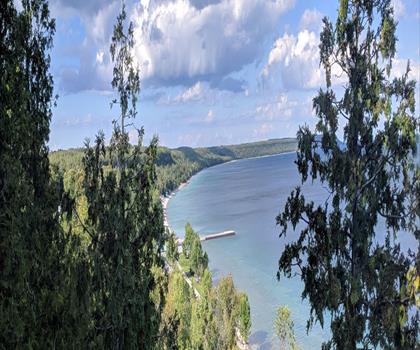
Cabot Head Provincial Park
Bruce Peninsula, Southern Georgian Bay and Lake Simcoe
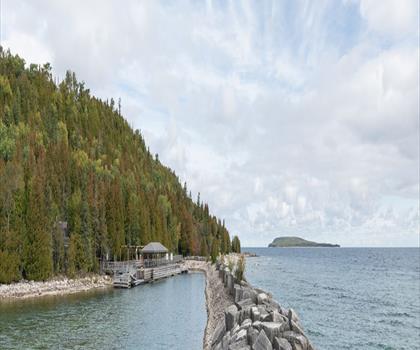
Head of Trails, Flowerpot Island
Bruce Peninsula, Southern Georgian Bay and Lake Simcoe
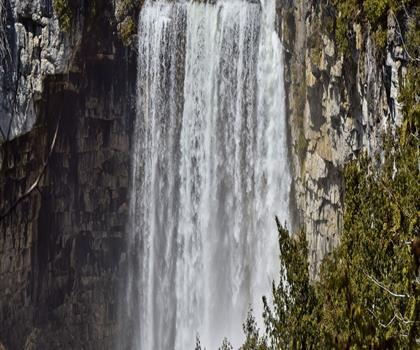
Hoggs Falls
Bruce Peninsula, Southern Georgian Bay and Lake Simcoe
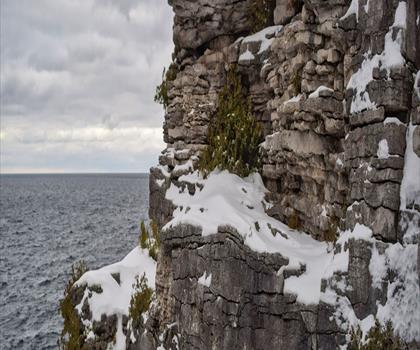
The Grotto, Bruce Peninsula National Park
Bruce Peninsula, Southern Georgian Bay and Lake Simcoe
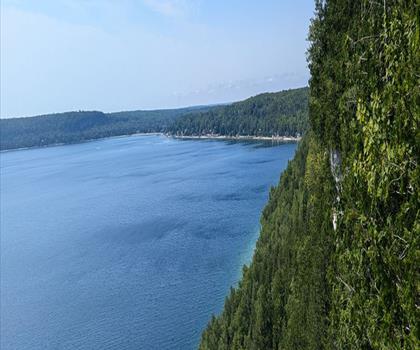
Lion’s Head Lookout Trail
Bruce Peninsula, Southern Georgian Bay and Lake Simcoe
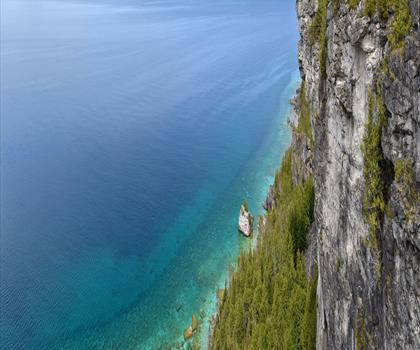
Lion’s Head Provincial Park
Bruce Peninsula, Southern Georgian Bay and Lake Simcoe
Hiking near Barrie
146 trails to explore ~100 km away
We work hard to provide the most up-to-date and error-free data possible. If something seems incorrect, let us know! Your contribution helps the whole community.
Hikers' opinions
Be the first to review!
No hiker has shared their experience yet. Share your impressions and help other hikers!