
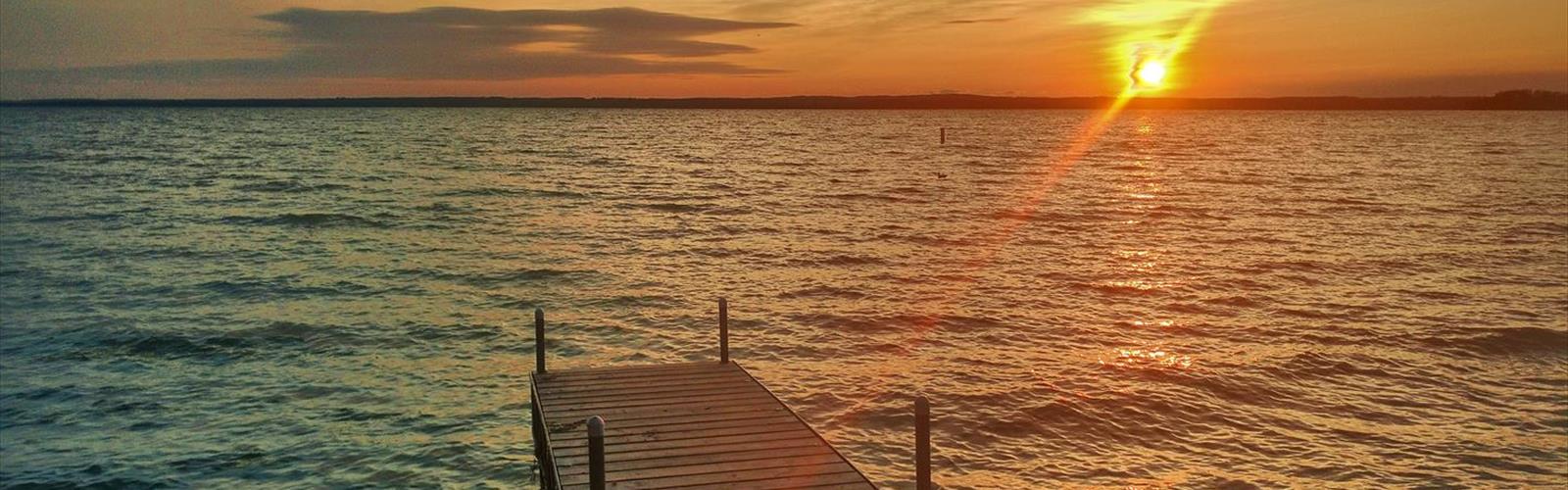

Ready to explore McRae Point Provincial Park? Here's everything you need to know before you go!
Discover the trail

Trail description
McRae Point Provincial Park sits quietly on the eastern shore of Lake Simcoe, offering a refreshing contrast to the busier parks that dot Ontario's cottage country. This 100-hectare park combines the best of both worlds: peaceful woodland trails that wind through diverse ecosystems and direct access to one of the province's most beloved lakes. The park's location in the Southern Georgian Bay and Lake Simcoe region makes it an accessible escape for both day visitors and those looking to spend several days exploring the area.
The park's terrain is gentle and welcoming, with minimal elevation changes that make it particularly appealing to families and hikers who prefer a more relaxed outdoor experience. The landscape here tells the story of Ontario's glacial past, with rolling terrain that transitions seamlessly from dense forest to open meadows and finally to the sandy shoreline of Lake Simcoe. This variety creates distinct microclimates throughout the park, each supporting different plant communities and wildlife populations.
Trail Experience
The main hiking trail forms the backbone of most visits to McRae Point. This scenic route takes you through the park's most impressive natural features, beginning in mixed hardwood forest where towering maples, oaks, and birches create a canopy that shifts dramatically with the seasons. Spring brings delicate wildflowers carpeting the forest floor, while summer offers deep shade and the constant rustle of leaves overhead. Fall transforms the trail into a corridor of brilliant oranges, reds, and yellows that rival any autumn destination in the province.
As you follow the path deeper into the park, you'll notice how the forest composition changes. Wetland areas support different tree species and provide habitat for amphibians and water-loving birds. These transitional zones are often the best spots for wildlife viewing, particularly in the early morning or late afternoon when animals are most active. The trail's design takes advantage of natural viewpoints, offering glimpses of Lake Simcoe through the trees before emerging at more dramatic overlooks.
The trail system accommodates hikers of all experience levels, with clear marking and well-maintained surfaces that remain accessible even after light rain. The gentle terrain means you can focus on observing the natural world around you rather than watching every step, making this an ideal location for photography enthusiasts or those hiking with children who might need frequent stops to explore interesting discoveries along the way.
Lake Simcoe Access and Water Activities
The transition from forest trail to lakefront is one of McRae Point's most appealing features. The park's sandy beach provides a natural gathering point where the hiking experience can seamlessly blend with water activities. Lake Simcoe's eastern shore here offers protection from prevailing winds, creating calmer conditions that are perfect for swimming during the warmer months.
The beach area extends the park's recreational possibilities significantly. The sandy bottom slopes gradually into the lake, making it safe and comfortable for swimmers of all abilities. The water quality in this section of Lake Simcoe is consistently good, and the beach's orientation provides excellent sun exposure throughout most of the day. Families often find this combination of hiking and swimming opportunities makes for perfect day trips that satisfy different interests and energy levels.
Paddlers will find McRae Point an excellent launching point for exploring Lake Simcoe by canoe or kayak. The protected bay near the park offers calm water for beginners, while more experienced paddlers can venture out into the main body of the lake. The shoreline here features interesting geological formations and quiet coves that are perfect for wildlife observation from the water.
Wildlife and Natural Features
McRae Point's diverse ecosystems support an impressive variety of wildlife throughout the year. The mixed forest habitat attracts numerous bird species, from common songbirds to more elusive woodland species. The transition zones between forest and wetland areas are particularly productive for birdwatching, especially during spring and fall migration periods when the park serves as a stopover point for traveling species.
Mammals in the park include the typical residents of southern Ontario's mixed forests. White-tailed deer are commonly seen, particularly in the early morning hours, while smaller mammals like squirrels, chipmunks, and various mouse species are active throughout the day. The wetland areas support different wildlife communities, including frogs, salamanders, and various aquatic insects that form the base of the food web.
The plant communities at McRae Point reflect the park's varied topography and soil conditions. Well-drained upland areas support classic Carolinian forest species, while lower-lying areas with seasonal moisture host different plant assemblages. This diversity creates visual interest throughout the hiking experience and provides educational opportunities for visitors interested in learning about Ontario's natural heritage.
Camping and Extended Stays
The camping facilities at McRae Point are designed to complement the park's natural setting rather than dominate it. Campsites are thoughtfully positioned to provide privacy while maintaining easy access to both the trail system and the lake. The sites accommodate both tent campers and RV users, with facilities that meet basic needs without overwhelming the natural environment.
Camping here extends the McRae Point experience beyond a single day visit. Evening hours bring different wildlife activity, and the lake takes on a completely different character as the sun sets. The park's relatively small size and peaceful atmosphere make it ideal for families with children who might find larger, busier parks overwhelming. The sound of gentle waves lapping against the shore creates a natural soundtrack that enhances the camping experience.
The campfire experience at McRae Point benefits from the park's dark sky conditions and the soothing sounds of Lake Simcoe's gentle waves. The combination of forest and water creates a microclimate that often provides comfortable evening conditions even when surrounding areas might be less pleasant. Visitors should follow Leave No Trace principles throughout their stay, ensuring that McRae Point's natural beauty and ecological integrity remain intact for future generations to discover and enjoy.
The Essential Hiking Checklist
Everything you need for your next hike. Bilingual, printable, 1 page.
Get your free hiking checklistRecommended gear for this trail
As an Amazon Associate I earn from qualifying purchases.


Ready to go?
Everything you need to know before you goStarting Point
The mcrae point provincial park is located in Ontario. To get to the start of the trails, take Highway 401 to exit 496 and go north on County Road 2 for about 9 km. The park entrance will be on the right.
When?
How much?
As an Amazon Associate I earn from qualifying purchases.
Affiliate links — LGPO may earn a commission at no extra cost to you.
- Hiking shoes Essential
- → Salomon Elixir Tour Mid WP · 203.38 $
- Layered clothing Essential
- Rain jacket Essential
- Trekking poles
- → Black Diamond Trail Ergo Cork · 69.99 $
- Headlamp
- → Petzl Actik Core 625 · 103.95 $
FAQ - Frequently asked questions
Everything you need to knowSimilar hikes nearby
Discover other trails you might enjoy
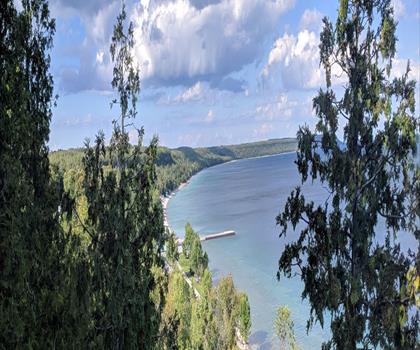
Cabot Head Provincial Park
Bruce Peninsula, Southern Georgian Bay and Lake Simcoe
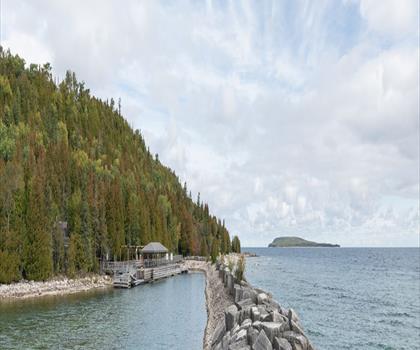
Head of Trails, Flowerpot Island
Bruce Peninsula, Southern Georgian Bay and Lake Simcoe
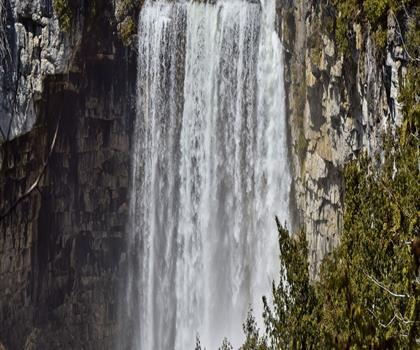
Hoggs Falls
Bruce Peninsula, Southern Georgian Bay and Lake Simcoe
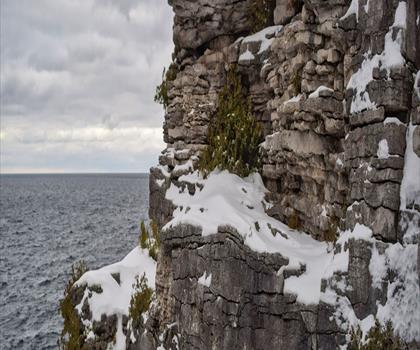
The Grotto, Bruce Peninsula National Park
Bruce Peninsula, Southern Georgian Bay and Lake Simcoe
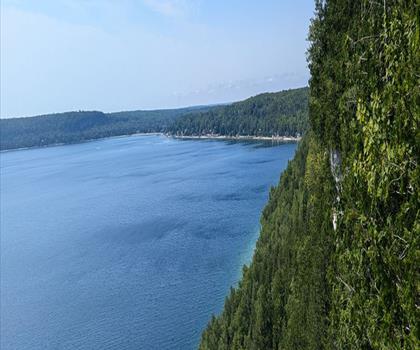
Lion’s Head Lookout Trail
Bruce Peninsula, Southern Georgian Bay and Lake Simcoe
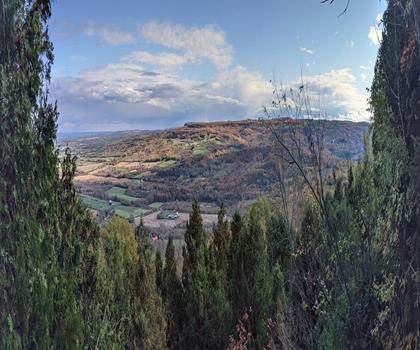
Pretty River Valley Provincial Park
Bruce Peninsula, Southern Georgian Bay and Lake Simcoe
Hiking near Barrie
146 trails to explore ~35 km away
We work hard to provide the most up-to-date and error-free data possible. If something seems incorrect, let us know! Your contribution helps the whole community.
Hikers' opinions
Be the first to review!
No hiker has shared their experience yet. Share your impressions and help other hikers!