
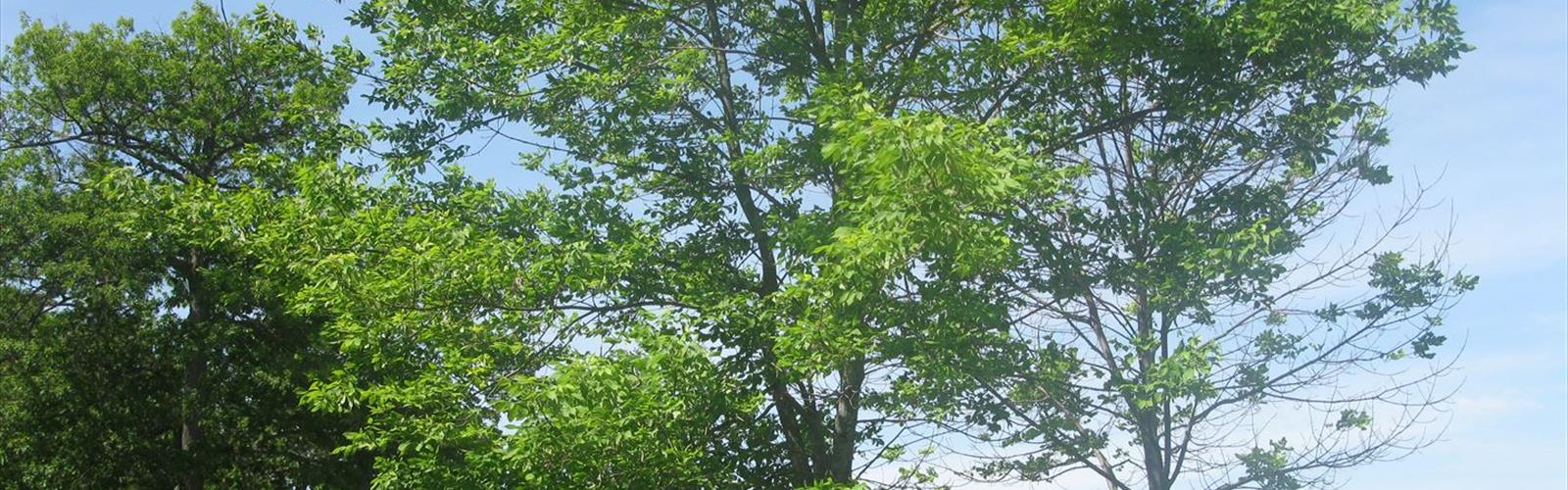

Ready to explore Scout Valley Loop Trail? Here's everything you need to know before you go!
Discover the trail
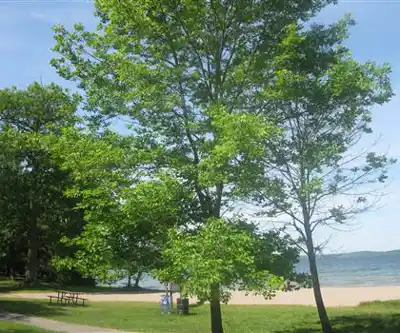
Trail description
The Scout Valley Loop Trail covers 3.5 kilometers of mixed forest and open meadow near Orillia, Ontario, making it one of the more approachable options in the Southern Georgian Bay and Lake Simcoe region. With only 80 meters of elevation gain spread across the entire loop, this trail works well for families with younger kids, casual hikers looking for a relaxed outing, or anyone wanting a solid hour-and-fifteen-minute walk without committing to a full day in the backcountry.
The loop format means you return to your starting point without retracing your steps, which keeps the experience fresh throughout. The trail is well-marked, so navigation stays simple and you can spend your attention on the landscape rather than second-guessing your route.
Terrain and Trail Character
The trail moves through a mix of mature maple and oak forest, with sections that open into broader clearings as you work around the loop. The canopy in the forested stretches is dense enough to provide real shade in summer, and those same trees are responsible for the strong fall color display the area is known for — peak foliage typically lands in early to mid-October.
Underfoot, the surface shifts between packed earth, sections with exposed roots, and occasional rocky patches. Nothing here is technically demanding, but proper footwear matters. Hiking shoes or boots with decent grip and ankle support will handle the varied terrain more comfortably than trail runners or casual sneakers, especially after rain when some sections can get muddy.
The gentle elevation changes — 80 meters total — add just enough variation to keep the walk interesting. You're not grinding up steep climbs, but the trail isn't completely flat either. The rises and dips follow the natural topography of the area and give the loop a more dynamic feel than a simple flat circuit would.
What You'll See Along the Way
The mixed forest supports a range of wildlife typical of this part of Ontario. White-tailed deer move through the area regularly, most often spotted in the early morning or toward evening when they feed in the more open sections. The forest attracts woodpeckers, nuthatches, and warblers, with migration periods in spring and fall bringing the most bird activity.
Spring is worth noting specifically for the wildflower display on the forest floor. Trilliums, bloodroot, and wild leeks emerge before the trees fully leaf out, taking advantage of the available light in that narrow window between snowmelt and full canopy closure. The meadow sections carry their own bloom cycle through summer, shifting the color palette as the season progresses.
Scattered along the route, large glacial erratics — boulders deposited by retreating ice sheets at the end of the last glaciation — serve as natural landmarks. These granite and limestone boulders sit in contrast to the surrounding soil and vegetation, and they're a tangible reminder of the geological forces that shaped this entire region.
Seasonal Conditions
The trail is accessible year-round, though conditions vary considerably by season. Spring hiking means wildflowers and active bird migration, but expect soft, muddy sections as the ground thaws. Summer offers the most comfortable conditions overall, with good shade in the forested stretches, though insects are at their peak during this period.
Fall draws the most visitors, and for good reason — the maple and oak canopy produces deep reds, bright oranges, and golden yellows that make the loop particularly rewarding in October. Cooler temperatures and reduced insect activity add to the appeal.
In winter, the trail transitions into a snowshoeing route. Snow accumulation changes the character of the terrain significantly, and the bare trees open up sightlines that stay hidden during the growing season. The lookout points along the route become more expansive in winter, with views extending further across the surrounding landscape.
Access and Practical Notes
The trailhead is located at Old Barrie Road East near Line 15 North, with parking available on-site. The setup is straightforward — you park and start hiking without a long approach walk to reach the trail itself.
Given the 3.5-kilometer distance and 1h15 estimated duration, water needs are modest, but carrying a bottle is still worthwhile, particularly in summer when the open meadow sections offer less shade. The trail alternates between sheltered forest and more exposed areas, so your actual water consumption will depend on the weather and time of year.
Stay on the marked path throughout the loop, especially where the trail crosses meadow sections or approaches viewpoints — these areas are more vulnerable to erosion and vegetation damage from off-trail foot traffic. Pack out everything you bring in; the trail's condition depends on visitors treating it accordingly.
The Essential Hiking Checklist
Everything you need for your next hike. Bilingual, printable, 1 page.
Get your free hiking checklistRecommended gear for this trail
As an Amazon Associate I earn from qualifying purchases.


Ready to go?
Everything you need to know before you goStarting Point
The scout valley loop trail is located in Ontario, California. To get to the start of the trails, take I-10 east to Highway 62. Take Highway 62 north to the exit for Mill Creek Road. Take Mill Creek Road east to the end, and the trailhead will be on your right.
When?
How much?
As an Amazon Associate I earn from qualifying purchases.
Affiliate links — LGPO may earn a commission at no extra cost to you.
- Hiking shoes Essential
- → Salomon Elixir Tour Mid WP · 203.38 $
- Layered clothing Essential
- Rain jacket Essential
- Trekking poles
- → Black Diamond Trail Ergo Cork · 69.99 $
- Headlamp
- → Petzl Actik Core 625 · 103.95 $
FAQ - Frequently asked questions
Everything you need to knowSimilar hikes nearby
Discover other trails you might enjoy
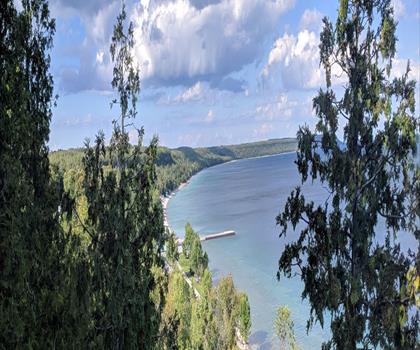
Cabot Head Provincial Park
Bruce Peninsula, Southern Georgian Bay and Lake Simcoe
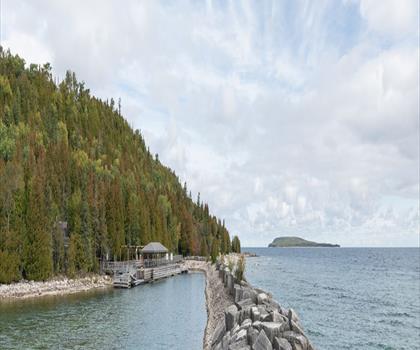
Head of Trails, Flowerpot Island
Bruce Peninsula, Southern Georgian Bay and Lake Simcoe
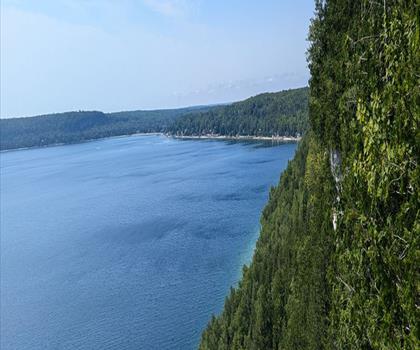
Lion’s Head Lookout Trail
Bruce Peninsula, Southern Georgian Bay and Lake Simcoe
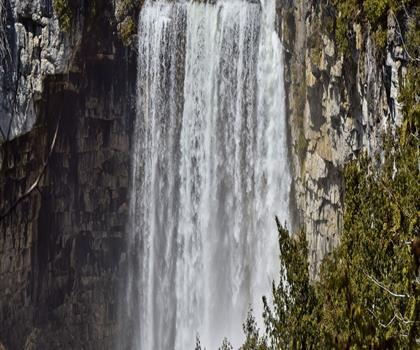
Hoggs Falls
Bruce Peninsula, Southern Georgian Bay and Lake Simcoe
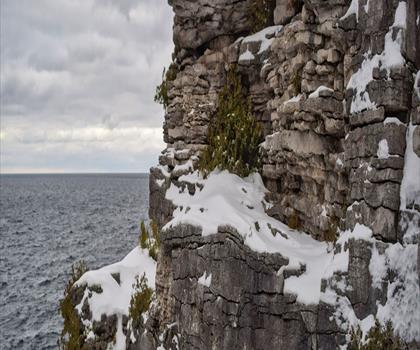
The Grotto, Bruce Peninsula National Park
Bruce Peninsula, Southern Georgian Bay and Lake Simcoe
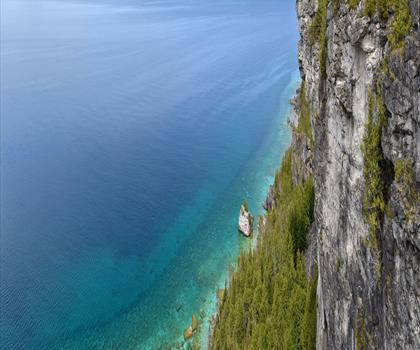
Lion’s Head Provincial Park
Bruce Peninsula, Southern Georgian Bay and Lake Simcoe
Hiking near Barrie
146 trails to explore ~28 km away
We work hard to provide the most up-to-date and error-free data possible. If something seems incorrect, let us know! Your contribution helps the whole community.
Hikers' opinions
Be the first to review!
No hiker has shared their experience yet. Share your impressions and help other hikers!