

Ready to explore Niagara River Recreation Trail? Here's everything you need to know before you go!
Discover the trail
Trail description
The Niagara River Recreation Trail runs 56 kilometres (35 miles) along the western shore of the Niagara River, connecting Fort Erie in the south to Fort George in the north. It's one of the most historically layered and scenically varied flat trails in Ontario — a route where you're never far from moving water, and where the landscape shifts steadily from open riverside meadows to dense deciduous forest as you head north toward Niagara-on-the-Lake.
With only 50 metres of total elevation gain across its entire length, this is genuinely easy terrain. The trail is well-maintained throughout, with most sections running on paved or packed gravel surfaces. Some stretches transition to grass paths closer to the natural riverbank, but nothing here will challenge your footing in any meaningful way. That accessibility is part of what makes it work for such a wide range of users — families, casual walkers, cyclists, and anyone looking for a long, unhurried day out along a major waterway.
What the Route Actually Feels Like
Hiking northward from Fort Erie, the first sections feel open and expansive. The river is wide here, and the American shoreline is clearly visible across the water. There's a sense of scale that's easy to underestimate from a map — the Niagara River isn't a creek, and walking beside it for hours gives you a genuine appreciation for how much water is moving through this corridor at any given moment.
As you push further north, the vegetation thickens. Maple, oak, and hickory close in around the path, and the trail takes on a quieter, more sheltered character. The transition happens gradually, which is one of the more satisfying things about doing a long stretch in a single go — you actually feel the landscape change around you rather than just reading about it afterward.
The full 56-kilometre distance at an easy pace works out to roughly 14 hours of hiking, so most people tackle this trail in sections rather than end-to-end in a single day. The good news is that the route has multiple access points and parking areas along the way, making it straightforward to plan out-and-back segments or point-to-point shuttles that fit your available time.
Historical Landmarks Along the Way
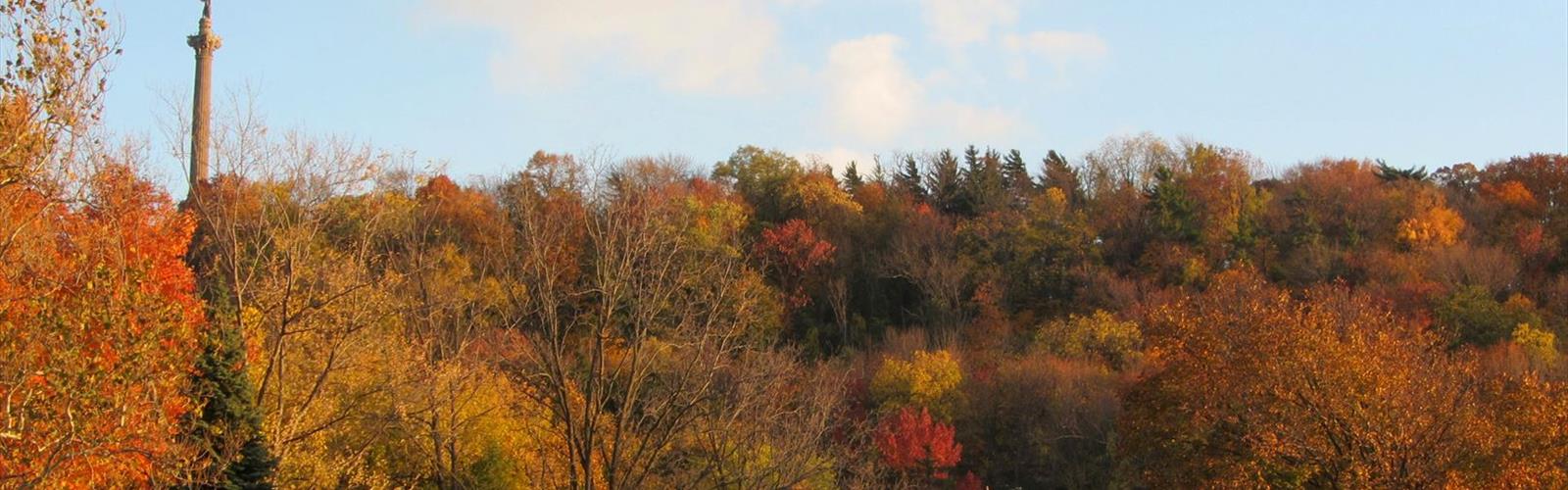
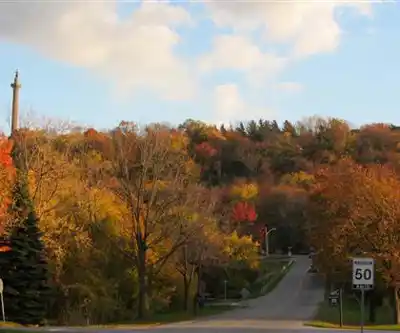
The War of 1812 left a significant mark on this corridor, and the trail passes through several of the key sites. Queenston Heights is one of the most notable stops — Brock's Monument stands here commemorating Major-General Sir Isaac Brock, and the elevated position offers some of the best views along the entire route, looking out over the river valley below. It's a natural rest point and worth slowing down for.
At the northern end of the trail, Fort George near Niagara-on-the-Lake is one of Canada's most significant early 19th-century military sites. The reconstructed fort gives real context to the strategic importance of controlling this stretch of river. Even if you don't go inside, the grounds and fortifications are worth a look as you finish out the northern section of the trail.
Interpretive signs and historical markers are placed throughout the route, which helps connect the landscape to its past without requiring any prior knowledge. You don't need to be a history buff to appreciate them — they add texture to what would already be a worthwhile walk.
Wildlife and Natural Features
The river draws waterfowl consistently, with ducks, Canada geese, and great blue herons among the most commonly spotted species. Spring and fall migration periods bring more variety and volume. The wooded northern sections support a good range of songbirds through the warmer months, and deer are occasionally seen in the quieter stretches during early morning hours.
The vegetation shift from south to north is worth paying attention to. Open grasslands and scattered tree groves give way to denser forest as you approach Niagara-on-the-Lake, and the seasonal changes are pronounced — spring wildflowers in the meadow sections, full canopy cover in summer, and a strong fall colour display from the maples and oaks typically peaking in early to mid-October. In winter, the bare trees actually open up river views that are hidden during the leafy months, though icy conditions on the riverside sections require appropriate footwear.
Anglers work the shoreline at various points along the trail, particularly near Queenston Heights where the rocky areas and clear water make for both good fishing and good photography.
Facilities and Access
Picnic areas with tables, benches, and washroom facilities are distributed at regular intervals along the trail. These double as parking access points, which is what makes the sectional approach so practical — you can drive to a midpoint, hike in either direction, and return to your vehicle without needing a shuttle.
The trail is shared with cyclists, and the flat terrain and wide surface make it a popular recreational cycling route as well. Trail maps and information are available at multiple access points along the route.
Comfortable walking shoes suited to packed gravel and occasional grass surfaces will serve you well here, along with weather-appropriate layers and enough water for your planned distance — there's no shortage of scenic spots to stop and drink it in.
The Essential Hiking Checklist
Everything you need for your next hike. Bilingual, printable, 1 page.
Get your free hiking checklistRecommended gear for this trail
As an Amazon Associate I earn from qualifying purchases.


Ready to go?
Everything you need to know before you goStarting Point
The niagara river recreation trail is located in Ontario. To get to the start of the trails, take exit 38 off of the Queen Elizabeth Way. Head north on Stanley Avenue and the trailhead will be on your right.
When?
How much?
As an Amazon Associate I earn from qualifying purchases.
Affiliate links — LGPO may earn a commission at no extra cost to you.
- Hiking shoes Essential
- → Salomon Elixir Tour Mid WP · 203.38 $
- Layered clothing Essential
- Rain jacket Essential
- Trekking poles
- → Black Diamond Trail Ergo Cork · 69.99 $
- Headlamp
- → Petzl Actik Core 625 · 103.95 $
FAQ - Frequently asked questions
Everything you need to knowSimilar hikes nearby
Discover other trails you might enjoy
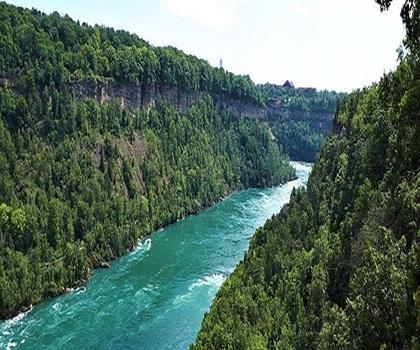
Niagara Glen Nature Centre
Niagara Canada

Woodend Conservation Area
Niagara Canada
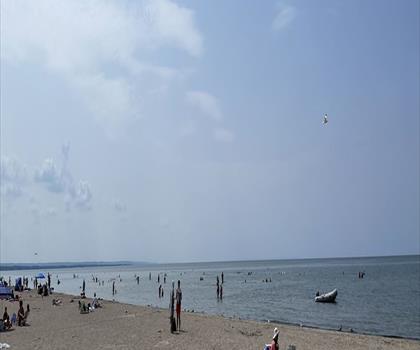
Lakeside Park Beach
Niagara Canada
Ball's Falls Conservation Area
Niagara Canada
Short Hills Provincial Park
Niagara Canada
Firemen's Park
Niagara Canada
Hiking near Niagara Falls
128 trails to explore ~8 km away
We work hard to provide the most up-to-date and error-free data possible. If something seems incorrect, let us know! Your contribution helps the whole community.
Hikers' opinions
Be the first to review!
No hiker has shared their experience yet. Share your impressions and help other hikers!