

Ready to explore Short Hills Provincial Park? Here's everything you need to know before you go!
Discover the trail
Trail description
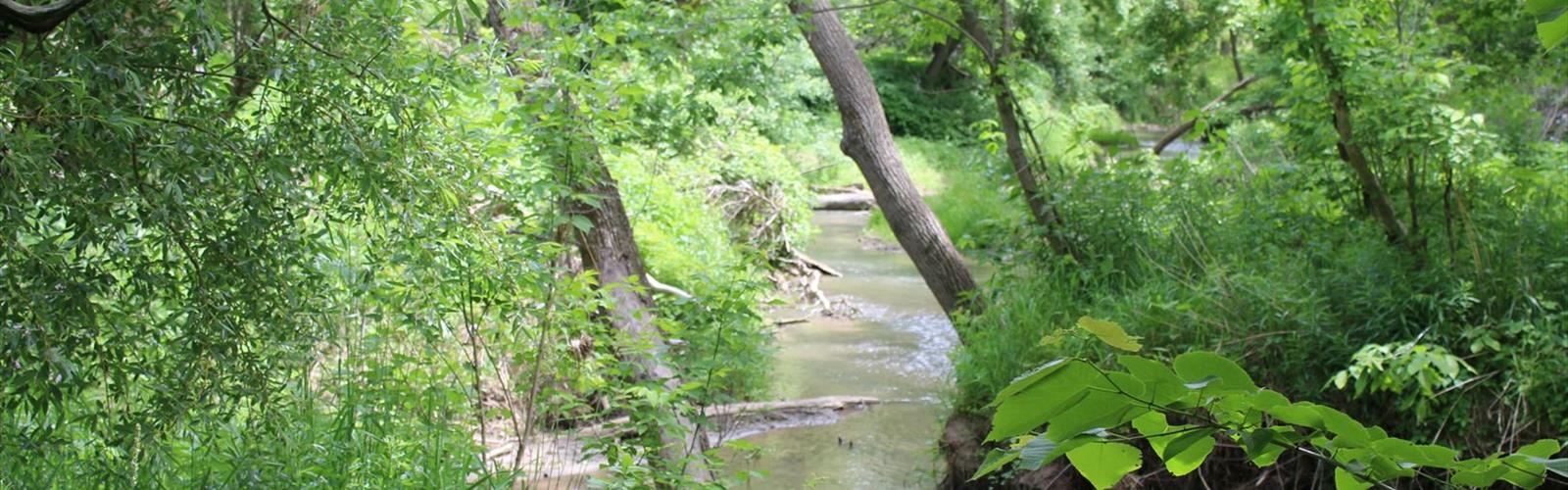
Short Hills Provincial Park sits in the heart of the Niagara Peninsula, straddling the border between St. Catharines and the town of Pelham in southern Ontario. This 660-hectare park occupies a distinctive position on the southern edge of the Niagara Escarpment, where the last ice age carved out a landscape of steep, compact hills and deep valleys — the features that give the park its name. Twelve Mile Creek has done its own work here too, slicing through layers of sedimentary rock and glacial deposits to create the rugged, constantly shifting topography that makes hiking here genuinely interesting.
What separates Short Hills from other parks in the region is its location at the northern edge of the Carolinian forest zone. This botanical quirk means you'll encounter plant species that are rare or entirely absent elsewhere in Canada. Pawpaw trees with their broad, tropical-looking leaves, sweet chestnut trees, and towering tulip-trees all grow here, creating a forest environment that feels noticeably different from typical Ontario parkland. It's one of those places where the ecology alone is worth paying attention to as you walk.
Trail System and Terrain
The park offers six main trail routes, including a section of the Bruce Trail that winds through the property. Together, these routes give you around 15 kilometers of trail to work with, and the interconnected layout means you can mix and match segments to build a hike that fits your time and energy. A full exploration of the network takes roughly four hours at a comfortable pace.
The terrain is more demanding than the numbers suggest. The total elevation gain sits around 100 meters, but that figure doesn't capture how the park actually feels underfoot. Rather than one sustained climb, the landscape constantly undulates — you're always either going up or coming down. The ascents and descents are short but steep, and they add up over the course of a hike. It's the kind of terrain that gives your legs a real workout without ever feeling like a mountain route.
Trail surfaces shift depending on where you are and what the weather has been doing. Forested sections bring the usual Ontario mix of exposed roots, rocks, and mud after rain. The areas near creek crossings and waterfalls can get genuinely slippery when wet, so footwear with decent grip matters here. Open meadow sections tend to be drier and more forgiving underfoot.
The trail network moves through several distinct environments within a single outing. Dense forest sections where the canopy closes overhead give way to open meadows with views across the rolling landscape. Creeks run alongside many stretches of trail, and several waterfalls serve as natural stopping points. These water features are at their most impressive during spring snowmelt and after heavy rain, when the flow through the escarpment rock really picks up.
Wildlife and Natural Features
White-tailed deer are a regular presence in the park, most reliably spotted during early morning or late afternoon when foot traffic is lighter. Coyotes also inhabit the area, though you're less likely to cross paths with one. The open meadow sections support meadow voles and provide habitat for grassland bird species, while the forest interior attracts the broader mix of woodland birds you'd expect from a healthy Carolinian ecosystem.
The park's position along the Niagara Escarpment creates microclimates that support this range of species and plant communities. The combination of steep hillsides, sheltered creek valleys, and open areas means the ecological character of the hike keeps changing as you move through it — which is part of what makes the trail system here feel more varied than a simple distance number would imply.
Shared Use and Trail Etiquette
Short Hills is a multi-use park, and the trail system is shared with mountain bikers and horseback riders. On weekends especially, you'll encounter other user groups on the trails, so staying aware of your surroundings and yielding appropriately is part of the experience. Fishing is also available along Twelve Mile Creek, particularly in the pools that form below some of the waterfalls.
As the only provincial park of this scale in the immediate Niagara region, Short Hills draws visitors from St. Catharines, Niagara Falls, and across the broader Golden Horseshoe. The park can get busy on weekend afternoons and during peak fall color season, when the diverse mix of Carolinian and temperate tree species produces a particularly rich display of reds, oranges, and yellows. The park's proximity to the Short Hills Bench wine region also pulls in visitors who are already in the area exploring Niagara wine country.
Planning Your Visit
The park is accessible year-round, and each season brings a different character to the trails. Spring delivers the waterfalls at full flow and wildflowers across the forest floor, but also the muddiest trail conditions of the year. Summer offers stable footing and the full canopy of the Carolinian forest in leaf. Fall is arguably the most visually rewarding time to visit, with the tree diversity translating into a complex, layered palette of fall color. Winter hiking is possible, but the steep terrain becomes genuinely hazardous when icy, and the creek crossings require extra caution.
Weekday mornings tend to offer the quietest experience on the trails, with less competition from other user groups and more opportunity to spot wildlife before the park fills up. Given the slippery conditions near water features and the consistently steep terrain, proper hiking footwear is worth prioritizing regardless of the season — this isn't a park where trail runners or casual sneakers will serve you well in anything but dry summer conditions.
The Essential Hiking Checklist
Everything you need for your next hike. Bilingual, printable, 1 page.
Get your free hiking checklistRecommended gear for this trail
As an Amazon Associate I earn from qualifying purchases.


Ready to go?
Everything you need to know before you goStarting Point
The short hills provincial park is located in Millburn, Ontario. To get to the start of the trails, take the QEW to exit 109 for Highway 427. Head north on Highway 427 and take the exit for Dundas Street. Turn left on Dundas Street and then turn right on Hurontario Street. The park will be on your right.
When?
How much?
As an Amazon Associate I earn from qualifying purchases.
Affiliate links — LGPO may earn a commission at no extra cost to you.
- Hiking shoes Essential
- → Salomon Elixir Tour Mid WP · 203.38 $
- Layered clothing Essential
- Rain jacket Essential
- Trekking poles
- → Black Diamond Trail Ergo Cork · 69.99 $
- Headlamp
- → Petzl Actik Core 625 · 103.95 $
FAQ - Frequently asked questions
Everything you need to knowSimilar hikes nearby
Discover other trails you might enjoy
Niagara River Recreation Trail
Niagara Canada
Niagara Glen Nature Centre
Niagara Canada

Woodend Conservation Area
Niagara Canada
Lakeside Park Beach
Niagara Canada
Ball's Falls Conservation Area
Niagara Canada
Firemen's Park
Niagara Canada
Hiking near Niagara Falls
128 trails to explore ~16 km away
We work hard to provide the most up-to-date and error-free data possible. If something seems incorrect, let us know! Your contribution helps the whole community.
Hikers' opinions
Be the first to review!
No hiker has shared their experience yet. Share your impressions and help other hikers!