

Ready to explore Nagagamisis Provincial Park? Here's everything you need to know before you go!
Discover the trail
Trail description
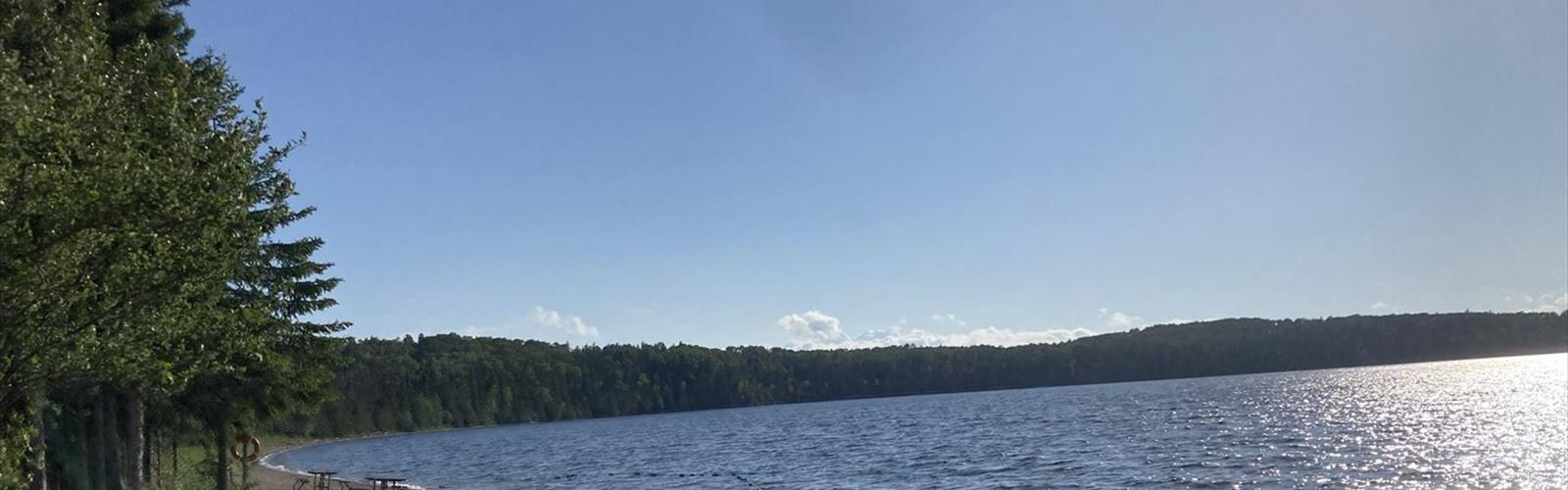
Nagagamisis Provincial Park sits deep in Northwestern Ontario, far enough from the nearest city that the drive itself signals a genuine shift into wilderness territory. The park wraps around Nagagamisis Lake, a large, clear body of water that anchors the entire landscape and gives the place its character. Out here, the Canadian Shield does what it does best — granite outcroppings push through the forest floor, boreal conifers crowd every ridge, and the horizon opens up across the water in a way that makes you feel genuinely small. That's not a complaint.
The isolation here is real. You're not sharing the trail with tour groups or dodging mountain bikers. The wildlife — moose, black bears, loons, raptors — moves through this landscape on its own schedule, largely undisturbed. That's the trade-off for the distance it takes to get here, and most visitors consider it a very good deal.
The Trail
The main trail covers 2 kilometers and takes roughly 45 minutes to complete at a relaxed pace. The elevation gain sits around 100 meters, which keeps it firmly in easy territory — accessible for families with kids, older hikers, or anyone who just wants to move through the landscape without working too hard. That said, "easy" doesn't mean boring. The terrain shifts enough to stay interesting throughout.
The route follows the natural contours of Nagagamisis Lake's shoreline, so you get consistent water views without having to earn them on a steep climb. The trail surface changes as you go: packed earth and pine needles through the denser forest sections, then exposed granite as you approach the lake and the modest ridgelines. Those rocky stretches are worth slowing down for — the granite platforms make natural rest stops with clear sightlines across the water, and they're a welcome break from the softer, muddier sections.
Speaking of mud: expect it, especially in spring or after a stretch of rain. The northern climate and dense canopy mean the trail holds moisture longer than trails in southern Ontario. Waterproof footwear is a smart call regardless of the forecast. The rocky sections near the lake dry out faster and offer the best footing when the rest of the trail is soft.
In the forested sections, the canopy closes in and the light filters down through spruce and fir in a way that makes the understory feel almost theatrical — moss-covered logs, lichen on the rocks, the occasional burst of wildflowers during the short northern growing season. Root systems and the odd windfall add just enough texture to keep your feet paying attention without making the hike technically demanding.
Wildlife and Natural Features
Moose are the headliners here. They tend to show up at the wetland edges and along the lake shore, especially early morning and around dusk when they wade in to feed on aquatic vegetation. If you're camping and can get out before breakfast, your odds improve considerably. Black bears are present throughout the park's forested interior — proper food storage isn't optional, it's the baseline expectation for anyone spending time here.
The bird life reflects the richness of a healthy boreal ecosystem. Common loons are a constant presence on the lake, their calls carrying across the water at all hours. Woodpeckers work the mature forest, and raptors are regularly spotted above the treeline. During migration, the lake draws waterfowl in numbers that make it worth having binoculars along.
Nagagamisis Lake itself is the park's defining feature. Its size creates genuine open-water views, and the clarity of the water lets you see well below the surface from the rocky shoreline. The lake generates its own microclimate along the shore — wind-exposed rocky points support different vegetation than the sheltered bays, where emergent wetland plants crowd the shallows. Beaver ponds and smaller lakes scattered through the interior add variety and concentrate wildlife activity in predictable spots.
Wild blueberries and other berry-producing shrubs are common along the trail during the appropriate season — good for hikers, and an important food source for the bears, which is worth keeping in mind when you're moving through berry patches.
Water Access and Beyond the Trail
The lake opens up options well beyond the hiking trail. Canoes and kayaks can access the water from multiple points around the shoreline, with the lake's size accommodating everything from a short morning paddle to a longer exploratory trip. The fishing is solid, with cold, clear water supporting healthy populations of northern species. Swimming is possible in summer, though the water stays cold — this is Northwestern Ontario, not Muskoka.
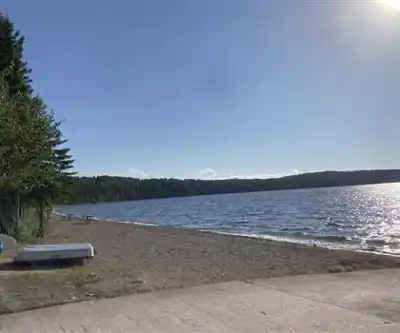
The rocky shoreline provides natural entry points to the water, and there are spots along the lake edge where smooth granite or weathered logs make comfortable places to sit and watch the light change across the water. The complete absence of development around the lake means the views are uninterrupted in every direction.
Camping and Staying Longer
The park has camping facilities that let you settle into the place rather than just passing through. Staying overnight changes the experience significantly — you catch the wildlife movement at dawn and dusk that day visitors miss, and the night sky out here, well away from urban light pollution, is worth the trip on its own. Extended stays also give you the flexibility to explore unofficial routes deeper into the park's interior, where the terrain gets more varied and the wildlife viewing improves as you move further from the main access points.
Families with kids tend to do well here — the main trail is manageable, the lake provides endless entertainment, and the wildlife encounters are the kind that stick with children for years. Solo hikers and paddlers appreciate the genuine solitude, though the park's remote location means self-sufficiency matters more here than at more accessible parks. Come prepared, bring more food than you think you need, and don't count on cell service.
Getting There and Planning Ahead
Reaching Nagagamisis Provincial Park takes real commitment — this is not a spontaneous day trip from a major center. That distance is exactly what keeps it in the condition it's in. Services and facilities are limited, so arrive with everything you need. The best hiking conditions fall in the warmer months when trails are accessible and wildlife activity is at its peak, though weather in this part of Ontario can shift quickly regardless of the season. Layers and rain gear belong in your pack no matter what the morning forecast says.
The Essential Hiking Checklist
Everything you need for your next hike. Bilingual, printable, 1 page.
Get your free hiking checklistRecommended gear for this trail
As an Amazon Associate I earn from qualifying purchases.


Ready to go?
Everything you need to know before you goStarting Point
The nagagamisis provincial park is located in Ontario. To get to the start of the trails, take Highway 11 north to Highway 694. Turn left on Highway 694 and drive for about 5 kilometers until you reach the park entrance.
When?
How much?
As an Amazon Associate I earn from qualifying purchases.
Affiliate links — LGPO may earn a commission at no extra cost to you.
- Hiking shoes Essential
- → Salomon Elixir Tour Mid WP · 203.38 $
- Layered clothing Essential
- Rain jacket Essential
- Trekking poles
- → Black Diamond Trail Ergo Cork · 69.99 $
- Headlamp
- → Petzl Actik Core 625 · 103.95 $
FAQ - Frequently asked questions
Everything you need to knowSimilar hikes nearby
Discover other trails you might enjoy

Kabeyun Trail, Sleeping Giant Provincial Park, Ontario
Northwestern Ontario
Quetico Provincial Park
Northwestern Ontario
Ouimet Canyon Provincial Park
Northwestern Ontario
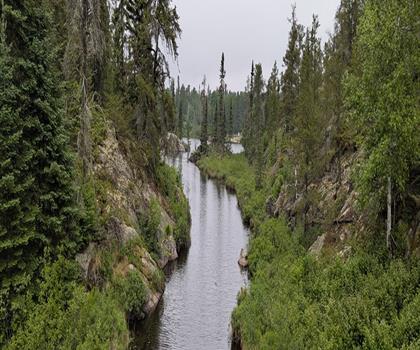
Rushing River Provincial Park
Northwestern Ontario
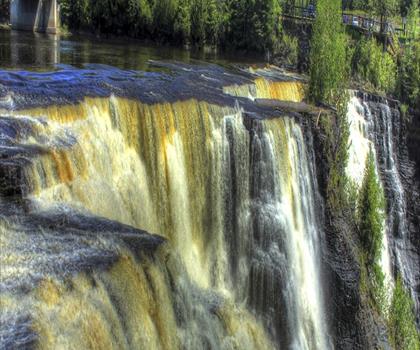
Kakabeka Falls Provincial Park
Northwestern Ontario
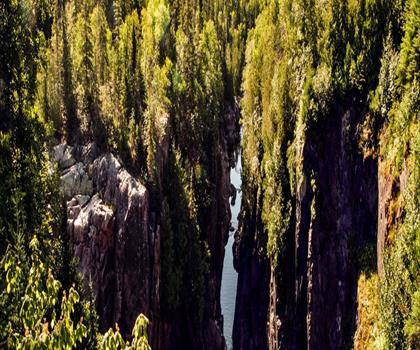
Aguasabon Falls
Northwestern Ontario
Hiking near Barrie
146 trails to explore ~690 km away
We work hard to provide the most up-to-date and error-free data possible. If something seems incorrect, let us know! Your contribution helps the whole community.
Hikers' opinions
Be the first to review!
No hiker has shared their experience yet. Share your impressions and help other hikers!