
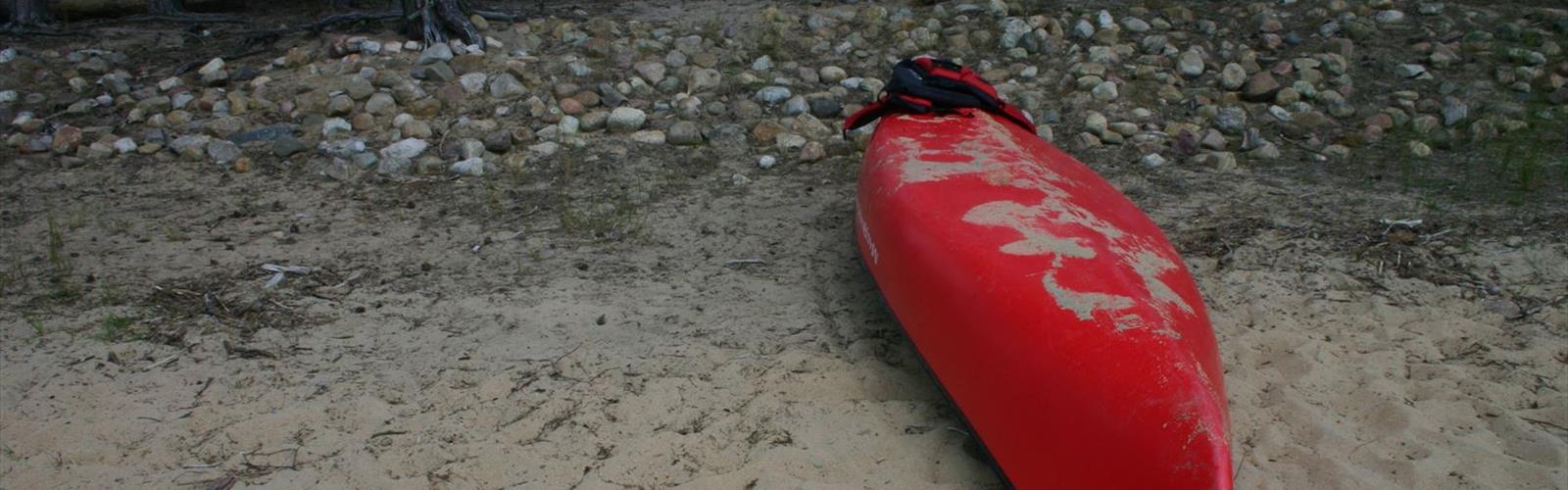

Ready to explore Quetico Provincial Park? Here's everything you need to know before you go!
Discover the trail
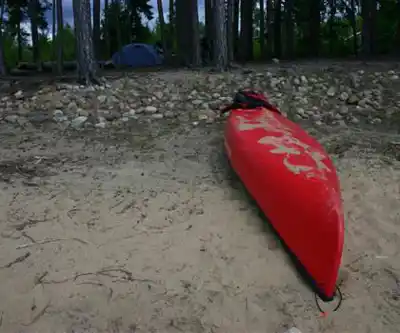
Trail description
Quetico Provincial Park covers 4,760 square kilometers of genuine backcountry wilderness in Northwestern Ontario, sitting right along the Minnesota border. This is Canadian Shield country at its most raw — ancient granite bedrock, hundreds of interconnected lakes, dense boreal forest, and exposed ridges that have looked more or less the same since the glaciers retreated. If you're looking for a developed trail system with signage every 500 meters, this isn't your park. If you want one of the most remote and rewarding wilderness experiences in Ontario, you've found it.
What Kind of Hiking to Expect
Quetico's trail network is unlike most provincial parks in Ontario. A significant portion of the hiking here follows traditional canoe portage routes — paths originally used to carry watercraft between lakes. That heritage shapes the terrain in practical ways: expect steep, rocky climbs where portages crest ridgelines, followed by flatter stretches through forest corridors. The trails aren't engineered for hiking comfort; they're functional routes through wilderness, and that's exactly what makes them compelling.
The granite bedrock creates a hiking surface that demands attention. Smooth rock slabs can be slippery when wet, and route-finding sometimes means reading cairns or painted blazes on stone rather than following a clear dirt path. Marshy lowlands appear between rocky sections, so waterproof footwear isn't optional — it's essential. The reward for navigating all of this is consistent: elevated viewpoints with unobstructed views over lake systems that stretch to the horizon, with no roads or structures in sight.
Water is everywhere. Streams drop over granite ledges into natural pools. Lakes appear suddenly through the trees. The sound of moving water — lapping against rocky shores, rushing through narrow channels — is a constant presence throughout any hike in the park.
Difficulty and Distance
Quetico is rated Hard and is best approached as a multi-day experience. The park's trail network spans approximately 2,100 kilometers, though this figure encompasses the full system of portage routes and backcountry paths rather than a single trail. The terrain involves up to 200 meters of elevation change, which may sound modest, but the combination of exposed rock, variable footing, and the weight of a backcountry pack makes the physical demand real. This is not a park for beginners venturing out alone.
Combining Hiking with Paddling
One of Quetico's defining characteristics is how naturally hiking and canoeing integrate here. The canoe route system gives hikers access to interior areas of the park that would require extremely long overland approaches otherwise. Many visitors plan trips that use paddling as transportation — reaching a remote area by canoe, then exploring the surrounding terrain on foot before moving on. This approach reflects how Indigenous peoples navigated this landscape for centuries, using the same waterways as travel corridors through the wilderness.
If you're planning a trip that's hiking-only, be realistic about how much of the park you can access. The most remote and rewarding areas are genuinely easier to reach with a canoe as part of your kit.
Wildlife
Moose are a regular presence, particularly in marshy areas and shallow bays during early morning and evening. Wolves live throughout the park — you're more likely to hear them than see them, but their presence is part of what makes Quetico feel like actual wilderness. Black bears are common, so proper food storage is non-negotiable. Along the waterways, otters are frequently spotted, and bald eagles are a reliable overhead presence. Loons are everywhere, and their calls across the lakes at dusk are one of those sounds that stays with you long after the trip ends.
The forest itself is worth paying attention to. White and red pines that have stood for centuries tower over the understory. Blueberries and wild raspberries line the trails in summer. Spring brings trilliums, lady slippers, and wild roses through the forest floor. Fall transforms the whole park with color — birch and maple against the dark green of spruce and pine.
Backcountry Camping
Backcountry campsites are distributed throughout the park, typically positioned on rocky points or small clearings near water. Sites generally include a fire ring and basic toilet facilities, but the character is primitive — this is not car camping with a picnic table. Most sites offer direct access to the lake system, which matters both practically and aesthetically.
Quetico operates on strict Leave No Trace principles. Everything you bring in, you carry out. There are no resupply points, no camp stores, and no shortcuts if something goes wrong. Self-sufficiency isn't a philosophy here — it's a requirement.
Planning and Permits
Before entering the backcountry, stop at one of the park's visitor centers. Staff can provide current maps, trail condition updates, and information on recent wildlife activity. Permits are required for backcountry travel, and the visitor center is where you sort that out. Given the park's remote character and the real consequences of poor preparation, rangers take trip planning seriously — and so should you.
Go in with accurate information about your group's fitness level, a detailed map, and a realistic itinerary. Quetico rewards preparation and punishes overconfidence, but for those who come ready, it delivers a wilderness experience that's genuinely hard to match anywhere in Ontario.
The Essential Hiking Checklist
Everything you need for your next hike. Bilingual, printable, 1 page.
Get your free hiking checklistRecommended gear for this trail
As an Amazon Associate I earn from qualifying purchases.


Ready to go?
Everything you need to know before you goStarting Point
The quetico provincial park is located in Ontario, Canada. The park can be accessed by car from the towns of Atikokan or Thunder Bay. There are also several entry points into the park by boat.
When?
How much?
As an Amazon Associate I earn from qualifying purchases.
Affiliate links — LGPO may earn a commission at no extra cost to you.
- Hiking shoes Essential
- → Salomon Elixir Tour Mid WP · 203.38 $
- Layered clothing Essential
- Rain jacket Essential
- Trekking poles
- → Black Diamond Trail Ergo Cork · 69.99 $
- Headlamp
- → Petzl Actik Core 625 · 103.95 $
FAQ - Frequently asked questions
Everything you need to knowSimilar hikes nearby
Discover other trails you might enjoy

Kabeyun Trail, Sleeping Giant Provincial Park, Ontario
Northwestern Ontario
Ouimet Canyon Provincial Park
Northwestern Ontario
Rushing River Provincial Park
Northwestern Ontario
Kakabeka Falls Provincial Park
Northwestern Ontario
Aguasabon Falls
Northwestern Ontario
Rainbow Falls Provincial Park, Rossport Campground
Northwestern Ontario
Hiking near Winnipeg
17 trails to explore ~458 km away
We work hard to provide the most up-to-date and error-free data possible. If something seems incorrect, let us know! Your contribution helps the whole community.
Hikers' opinions
Be the first to review!
No hiker has shared their experience yet. Share your impressions and help other hikers!