
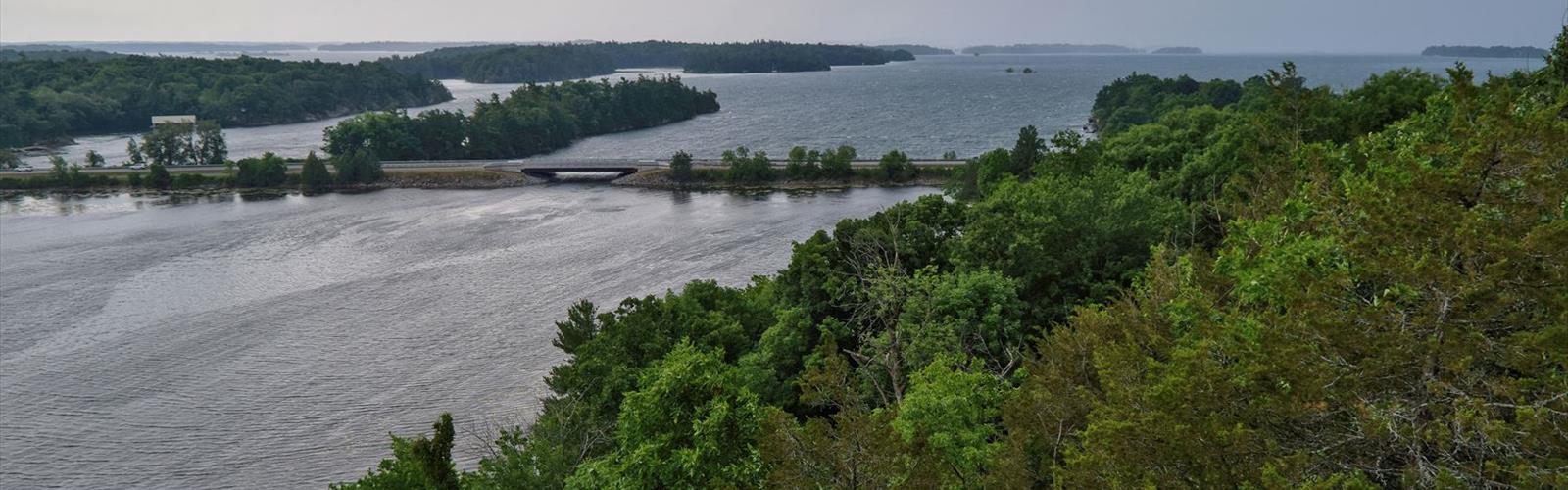

Ready to explore Thousand Islands National Park? Here's everything you need to know before you go!
Discover the trail
Trail description
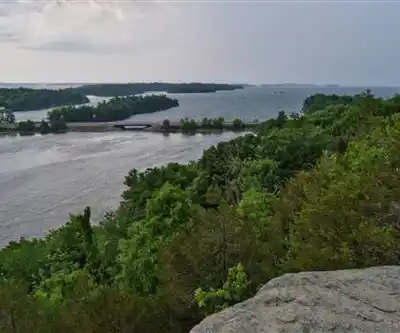
Thousand Islands National Park offers a unique hiking experience where forest trails meet island exploration across the St. Lawrence River in southeastern Ontario. This park stands apart from typical hiking destinations because it combines traditional woodland walking with water-based access to over 20 scattered islands, creating an adventure that's part hike, part paddle.
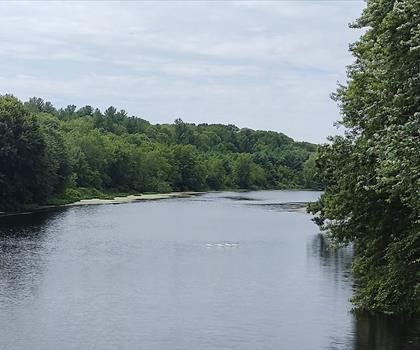
The park's mainland sections provide the foundation for your visit, with trails winding through mixed forests of maple, oak, and pine that overlook the river's expansive waters. These paths aren't about conquering peaks—the terrain here is gentle, with modest elevation changes of around 50 meters that take you from shoreline to forest interior and back to scenic river overlooks. What makes these trails special is how they frame the constantly changing views of islands, channels, and the broad St. Lawrence as it flows toward the Atlantic.
Trail Network and Terrain
The park's trail system spans 14 kilometers of interconnected paths that cater to different hiking preferences and abilities. You can tackle the full network in about three and a half hours, or break it into shorter segments for a more leisurely experience. The terrain consists of well-maintained paths through deciduous and mixed forests, with occasional rocky outcrops that offer elevated views over the water.
Unlike mountain hiking, the challenge here comes from variety rather than difficulty. The relatively flat terrain means you can focus on the scenery and wildlife rather than navigating technical sections, though some trails do include root-crossed forest floors and occasional muddy patches, especially after rain. You might start your day walking forest trails, then transition to paddling between islands, and finish with shoreline exploration on foot.
Island Access and Water-Based Exploration
The park's defining feature is its collection of islands scattered throughout this section of the St. Lawrence River. Many of these islands are accessible by kayak or canoe, transforming your hiking experience into something closer to expedition-style exploration. The crystal-clear waters between islands create protected channels perfect for paddling, even for those with limited water experience.
Each island offers its own character—some feature rocky shorelines perfect for lunch stops, while others have small trails leading through dense forest to hidden coves. The water access means you can customize your adventure, choosing to visit one island for a short paddle or planning a full day of island-hopping. The secluded nature of these water-accessible areas provides a sense of discovery that's rare in more traditional hiking destinations.
Wildlife and Natural Features
The park's position along the St. Lawrence River creates habitat diversity that supports an impressive range of wildlife. White-tailed deer are common throughout the forested areas, often visible during early morning or evening hikes. Beavers have established themselves along the quieter waterways, and their lodges and dams add interesting features to explore during paddling portions of your visit.
Birdwatching opportunities here rival those of dedicated birding destinations. Ospreys nest on platforms and dead trees throughout the park, providing excellent viewing opportunities as they fish in the clear waters. Great blue herons work the shallows around island edges, while bald eagles soar overhead—a sight that never gets old, even for experienced hikers. The mix of forest and water habitats means you might spot everything from woodland songbirds to waterfowl during a single visit.
The flora changes noticeably between mainland forests and island environments. Mainland trails pass through mature hardwood forests with seasonal wildflower displays, while the islands often feature more rugged vegetation adapted to the rocky, wind-exposed conditions. This variety keeps the scenery interesting whether you're walking forest paths or exploring island shorelines.
Camping and Extended Stays
The park offers several camping options that extend the hiking experience beyond day trips. Island camping sites provide a unique opportunity to fall asleep surrounded by water, with only the sounds of gentle waves and wildlife for company. These sites are accessible by canoe or kayak, adding an adventure element to simply reaching your campsite.
Mainland camping areas offer more traditional amenities while still providing easy access to both trails and water. These sites work well as base camps for exploring different sections of the park over multiple days. The camping infrastructure includes essential amenities without overwhelming the natural setting, striking a good balance for outdoor enthusiasts who want some comfort without losing the wilderness experience.
Camping here allows you to experience the park's changing moods throughout the day. Morning mists rising from the river create atmospheric conditions perfect for photography, while evening light transforms the water into a mirror reflecting the surrounding forests. Night skies, relatively free from urban light pollution, provide excellent stargazing opportunities.
What Makes This Place Special
What sets Thousand Islands National Park apart from other hiking destinations in southeastern Ontario is this seamless blend of land and water exploration. Most parks offer either forest trails or water activities, but here they're integrated into a single experience. The easy difficulty level makes it accessible to families and casual hikers, while the multi-modal nature keeps things interesting for more experienced outdoor enthusiasts.
The park's scattered island system means every visit can be different. Weather, water conditions, and personal preferences all influence which islands you'll explore and which trails you'll prioritize. This variability gives the park excellent replay value—you could visit multiple times and have completely different experiences each time.
Seasonal Considerations and Planning
The park operates year-round, with each season offering distinct advantages for hikers. Spring brings migrating birds and emerging wildflowers, though trails may be muddy and some water access limited by ice conditions. Summer provides the most reliable weather for combining hiking with paddling, plus the warmest conditions for island camping.
Fall transforms the hardwood forests into vibrant displays of red, orange, and yellow, making this an exceptional time for photography and scenic hiking. The cooler temperatures also mean fewer insects and comfortable conditions for longer hikes. Winter brings a completely different character to the park, with snow-covered trails and frozen waterways creating opportunities for snowshoeing and cross-country skiing.
Before visiting, checking trail conditions and weather forecasts helps ensure you're prepared for current conditions. Water levels and ice conditions particularly affect the paddling portions of any visit, so seasonal timing matters more here than at purely land-based hiking destinations. The combination of forest trails and water access means packing for both environments, but the relatively gentle terrain keeps gear requirements manageable for most outdoor enthusiasts.
Services and amenities
This information may vary by season.
The Essential Hiking Checklist
Everything you need for your next hike. Bilingual, printable, 1 page.
Get your free hiking checklistRecommended gear for this trail
As an Amazon Associate I earn from qualifying purchases.


Ready to go?
Everything you need to know before you goStarting Point
The thousand islands national park is located in Ontario, Canada. The best way to get to the start of the trails is to drive to Brockville, which is located about an hour and a half from Toronto. From there, you can take the Thousand Islands Parkway east to the park.
When?
How much?
As an Amazon Associate I earn from qualifying purchases.
Affiliate links — LGPO may earn a commission at no extra cost to you.
- Hiking shoes Essential
- → Salomon Elixir Tour Mid WP · 203.38 $
- Layered clothing Essential
- Rain jacket Essential
- Trekking poles
- → Black Diamond Trail Ergo Cork · 69.99 $
- Headlamp
- → Petzl Actik Core 625 · 103.95 $
FAQ - Frequently asked questions
Everything you need to knowSimilar hikes nearby
Discover other trails you might enjoy

Mountain Orchards
South Eastern Ontario
Jones Creek Trails - Thousand Islands National Park
South Eastern Ontario
Charleston Lake Provincial Park
South Eastern Ontario
Sandbanks Provincial Park.
South Eastern Ontario
North Grenville Rail Trail
South Eastern Ontario
Marble Rock
South Eastern Ontario
Hiking near Ottawa
47 trails to explore ~123 km away
We work hard to provide the most up-to-date and error-free data possible. If something seems incorrect, let us know! Your contribution helps the whole community.
Hikers' opinions
Be the first to review!
No hiker has shared their experience yet. Share your impressions and help other hikers!