

Ready to explore Selkirk Provincial Park? Here's everything you need to know before you go!
Discover the trail
Trail description
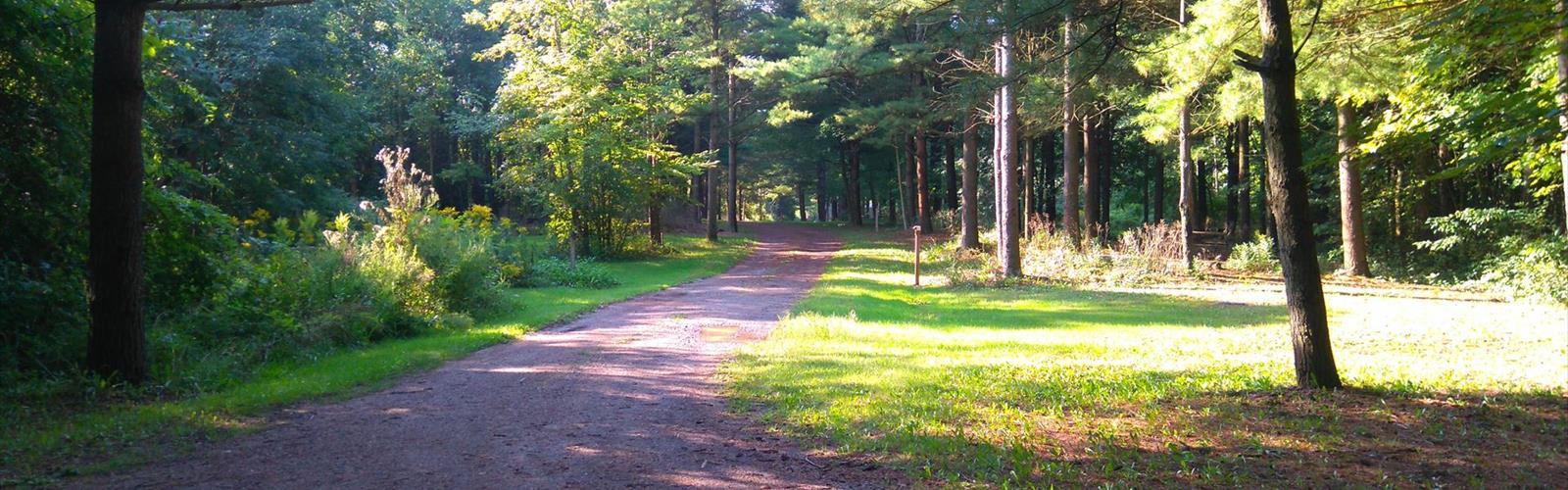
Selkirk Provincial Park sits quietly along the north shore of Lake Erie in Southwest Ontario, offering a genuine outdoor escape without requiring a major expedition to get there. What makes this park worth the visit is its combination of lakefront access and diverse inland ecosystems — you get forest, meadow, wetland, and Great Lakes shoreline all in one place, which is a harder combination to find than you might expect in this part of the province.
Trail System and Terrain
The trail network here is well-maintained and genuinely accessible. With only about 10 metres of elevation change across the system, you're not going to be grinding up any steep climbs — this is flat to gently rolling terrain throughout. That makes it a solid choice for families with young kids, older hikers, or anyone who wants to focus on the scenery rather than the physical challenge.
What keeps the trails interesting despite the flat terrain is the variety of environments you move through. The forested sections feel like proper woodland — shaded canopy overhead, seasonal wildflowers along the edges in spring, and that satisfying crunch of leaves underfoot in fall. These paths have enough natural character that they don't feel like a manicured walk in a city park.
Open meadow stretches break up the forest sections and give you a different kind of experience. These more exposed areas tend to be where you'll spot the most wildlife activity, and the seasonal wildflower displays add real visual interest during the warmer months. The contrast between the shaded forest and open grassland keeps the hiking experience varied even on a shorter outing.
The Lake Erie shoreline sections are the park's most distinctive terrain. The lakeshore alternates between sandy stretches and rockier areas, and walking along it gives you a real sense of scale — Lake Erie is massive, and standing at the water's edge makes that clear in a way that looking at a map doesn't. The proximity to the lake also creates its own microclimate, so expect cooler breezes in summer and potentially more dramatic weather during transitional seasons.
Wildlife and Natural Features
The park's biodiversity is one of its genuine strengths. The layering of different habitats — forest, meadow, wetland, and lakefront — means you're moving through distinct ecosystems within a relatively compact area, and each one supports different species.
Birdwatching is a particular draw here. The combination of habitats attracts both resident species and migratory birds passing through, and the wetland areas serve as important stopover points during spring and fall migrations. Bringing binoculars is worth it — you'll have real opportunities to spot waterfowl, woodland birds, and shorebirds depending on the season and where you are on the trail.
The wetlands also support amphibians and reptiles that often go unnoticed in more heavily visited parks. These areas reward slower, quieter hiking — if you're moving at a steady pace with headphones in, you'll walk right past things that a more attentive hiker would stop to watch.
Lake Erie Access
The lakefront location opens up activities beyond the trail system. During warmer months, the shoreline provides swimming access, though conditions vary with weather — Lake Erie can be calm and inviting one day and noticeably rougher the next, particularly in spring and fall. The shoreline also offers fishing access, and Lake Erie has a well-established reputation for productive fishing among Ontario anglers.
Even if you're not swimming or fishing, the shoreline itself is worth spending time on. The views across the lake change constantly with light and weather conditions, and the interplay between the open water and the park's inland ecosystems creates a setting that feels different from most Ontario provincial parks.
Facilities and Camping
The park has the practical infrastructure you need for a comfortable visit. Designated picnic areas are positioned to take advantage of the natural setting, making them a good option for extending a day trip into a longer outing with family or a group. The facilities are functional without overwhelming the natural character of the area.
Camping is available, which changes the experience considerably. Staying overnight gives you access to the park during the quieter morning and evening hours when wildlife activity tends to be highest and the day-use crowds have gone home. The campground provides the amenities needed for a comfortable stay while keeping you connected to the outdoor environment.
Seasonal Considerations
Spring is a strong time to visit if wildflowers and bird migration are your priorities — the park comes alive quickly once temperatures rise, and the wetlands are particularly active during migration. Summer brings full access to water activities and the densest forest canopy, though it's also the busiest period. Fall delivers the foliage change and continued migration activity, and the lake views take on a different character as the light shifts. Winter is quieter but still accessible for those who enjoy cold-weather hiking — the reduced crowds and snow-covered terrain offer a genuinely different experience of the same landscape.
Lake Erie's influence on local weather is worth keeping in mind regardless of season. Conditions can shift relatively quickly, especially during spring and fall, so checking the forecast before you head out and bringing an extra layer is a reasonable habit at this park.
Before your visit, checking the Ontario Parks website for current trail conditions, seasonal programming, and any required fees or reservations will help you make the most of your time at Selkirk Provincial Park.
The Essential Hiking Checklist
Everything you need for your next hike. Bilingual, printable, 1 page.
Get your free hiking checklistRecommended gear for this trail
As an Amazon Associate I earn from qualifying purchases.


Ready to go?
Everything you need to know before you goStarting Point
The selkirk provincial park is located in Ontario, Canada. To get to the start of the trails, take Highway 7 east from Perth to Highway 15. Turn north on Highway 15 and drive for about 10 km until you reach the park entrance.
When?
How much?
As an Amazon Associate I earn from qualifying purchases.
Affiliate links — LGPO may earn a commission at no extra cost to you.
- Hiking shoes Essential
- → Salomon Elixir Tour Mid WP · 203.38 $
- Layered clothing Essential
- Rain jacket Essential
- Trekking poles
- → Black Diamond Trail Ergo Cork · 69.99 $
- Headlamp
- → Petzl Actik Core 625 · 103.95 $
FAQ - Frequently asked questions
Everything you need to knowSimilar hikes nearby
Discover other trails you might enjoy
Lynn Valley Trails
Southwest Ontario
Point Pelee National Park High Point, Ontario
Southwest Ontario
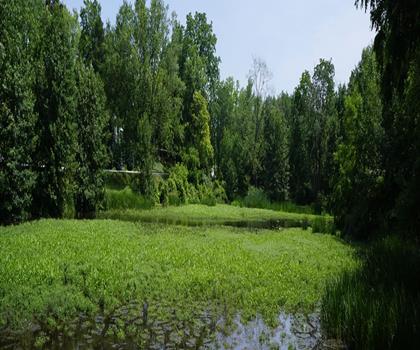
Oxford Thames River Trail
Southwest Ontario
Pinery Provincial Park
Southwest Ontario
Ojibway Prairie Provincial Nature Reserve
Southwest Ontario
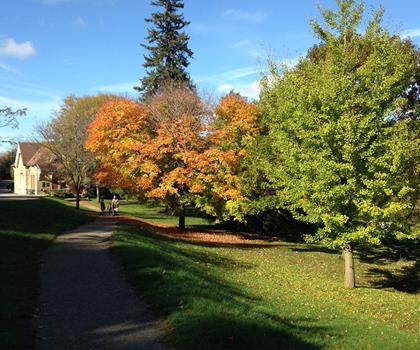
Springbank Park
Southwest Ontario
Hiking near Hamilton
162 trails to explore ~49 km away
We work hard to provide the most up-to-date and error-free data possible. If something seems incorrect, let us know! Your contribution helps the whole community.
Hikers' opinions
Be the first to review!
No hiker has shared their experience yet. Share your impressions and help other hikers!