
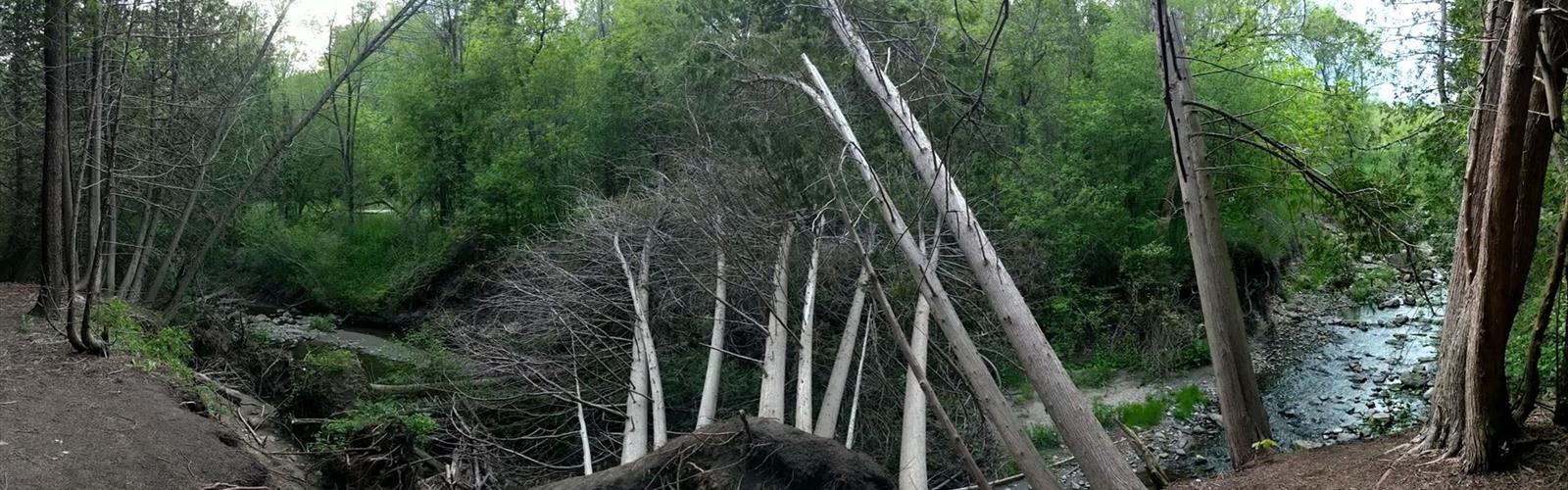

Ready to explore Forest Therapy Trail? Here's everything you need to know before you go!
Discover the trail
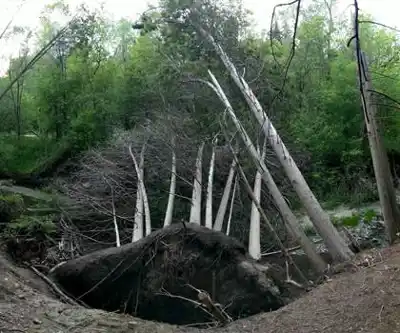
Trail description
The Forest Therapy Trail spans across the York, Durham, and Headwaters regions, offering a unique approach to hiking that emphasizes mindful connection with nature over distance covered or peaks conquered. This carefully designed pathway transforms the simple act of walking through the woods into a deliberate practice of sensory engagement and natural healing.
Unlike traditional hiking trails that focus on reaching a destination, this forest therapy route encourages you to slow your pace and become fully present in the woodland environment. The trail winds through diverse forest ecosystems that showcase the natural richness of southern Ontario's landscape, from dense canopy sections where towering trees create cathedral-like spaces to more open areas where sunlight filters through to illuminate the forest floor.
Trail Experience and Terrain
The pathway meanders through varied landscapes that highlight the biodiversity of the York, Durham, and Headwaters region. You'll walk beneath generations-old trees whose massive trunks and sprawling canopies create natural shelters and quiet contemplation spaces. The forest floor changes character throughout your journey, sometimes carpeted with fallen leaves that crunch softly underfoot, other times revealing patches of vibrant wildflowers that add splashes of color to the green woodland palette.
The trail design accommodates hikers of all fitness levels, with gentle undulations rather than steep climbs. Despite the modest elevation gain, the route takes you through different forest zones, each offering its own sensory experiences. Dense hardwood sections provide cool shade and the sound of rustling leaves, while more open areas allow for glimpses of sky and the play of light and shadow across the path.
Wildlife encounters add an element of discovery to your forest therapy experience. The diverse habitats along the trail support various bird species, small mammals, and woodland creatures that you might spot during quieter moments of observation. The key is moving slowly enough and staying alert to notice the subtle signs of animal activity around you.
The Forest Therapy Approach
What sets this trail apart from conventional hiking experiences is its emphasis on therapeutic engagement with nature. The practice, rooted in the Japanese concept of forest bathing, focuses on being present rather than covering ground quickly. You're encouraged to pause frequently, breathe deeply, and engage all your senses as you move through the woodland environment.
The trail's design supports this mindful approach with natural stopping points where you can sit quietly and observe your surroundings. These spots often feature interesting tree formations, small clearings, or areas where the interplay of light and shadow creates particularly striking visual effects. The gentle terrain means you can focus on the therapeutic aspects without worrying about challenging navigation or strenuous physical demands.
Guided Forest Therapy Sessions
Experienced guides lead structured forest therapy walks for those interested in a deeper exploration of nature's therapeutic benefits. These sessions go beyond simple nature walks, incorporating specific activities designed to heighten your sensory awareness and promote mindfulness practices in the natural setting.
The guided experiences focus on engaging all five senses as you move through the forest environment. You might be encouraged to touch different tree barks, listen carefully to the layered sounds of the woodland, or spend time observing the intricate details of leaves, flowers, or forest floor patterns. These activities help develop a more intimate connection with the natural world while promoting relaxation and stress relief.
Guides share their knowledge about the healing power of nature and provide instruction on techniques you can use during solo visits or in other natural settings. The sessions typically involve periods of silent observation, gentle movement, and group reflection on the forest experience.
Seasonal Variations
The Forest Therapy Trail remains accessible throughout the year, with each season offering distinct experiences and natural beauty. Spring brings fresh green growth, wildflower blooms, and increased bird activity as migratory species return to the area. The forest feels alive with new energy, and the mild temperatures make for comfortable walking conditions.
Summer provides full canopy cover that creates cool, shaded walking conditions even on hot days. The dense foliage offers maximum privacy and immersion in the forest environment, while longer daylight hours allow for extended visits. This season showcases the trail's biodiversity at its peak, with abundant plant life and active wildlife.
Autumn transforms the trail into a showcase of fall colors, as the diverse tree species display their seasonal changes in brilliant reds, oranges, and yellows. The carpet of fallen leaves adds a new sensory element to the walking experience, while the crisp air and clear skies create ideal conditions for forest therapy practices.
Winter brings a peaceful, contemplative atmosphere to the trail. The bare trees reveal the forest's underlying structure and create different sight lines and perspectives. Snow cover, when present, muffles sounds and creates a serene environment perfect for quiet reflection and mindful observation.
Planning Your Visit
Before heading out, check current trail conditions and any local guidelines that might affect your visit. Weather conditions can impact trail accessibility, particularly during spring thaw or after heavy rainfall when some sections might become muddy or slippery.
Pack essential items for a comfortable forest therapy experience. Bring adequate water, especially during warmer months, and light snacks if you plan to spend extended time on the trail. Wear appropriate footwear with good traction for woodland paths, as the terrain can include roots, rocks, and uneven surfaces.
Consider bringing a small backpack to carry your supplies while keeping your hands free for touching trees, examining natural objects, or taking notes about your experience. Dress in layers to accommodate changing temperatures as you move between sunny and shaded areas of the forest.
The trail works well for solo visits focused on personal reflection and mindfulness practice, but it also accommodates small groups and families interested in sharing a nature-based experience. The gentle terrain makes it suitable for children, though the forest therapy approach works best when participants can focus on quiet observation rather than high-energy play.
Whether you choose a guided session or explore independently, the Forest Therapy Trail offers a refreshing alternative to traditional hiking experiences, emphasizing the restorative power of mindful time spent in nature's embrace.
The Essential Hiking Checklist
Everything you need for your next hike. Bilingual, printable, 1 page.
Get your free hiking checklistRecommended gear for this trail
As an Amazon Associate I earn from qualifying purchases.


Ready to go?
Everything you need to know before you goStarting Point
The forest therapy trail is located in the heart of the Ganaraska Forest, which is about an hour northeast of Toronto. To get there, take Highway 401 to exit 474 (Port Hope) and follow Highway 28 north for about 50 km. The trailhead is located on the east side of the road, just south of the village of Grafton.
When?
How much?
As an Amazon Associate I earn from qualifying purchases.
Affiliate links — LGPO may earn a commission at no extra cost to you.
- Hiking shoes Essential
- → Salomon Elixir Tour Mid WP · 203.38 $
- Layered clothing Essential
- Rain jacket Essential
- Trekking poles
- → Black Diamond Trail Ergo Cork · 69.99 $
- Headlamp
- → Petzl Actik Core 625 · 103.95 $
FAQ - Frequently asked questions
Everything you need to knowSimilar hikes nearby
Discover other trails you might enjoy

North Maple Regional Park
York, Durham and Headwaters
Murphys Pinnacle, Ontario
York, Durham and Headwaters
Vicki Barron Lakeside Trail
York, Durham and Headwaters

Hockley Valley
York, Durham and Headwaters

Eldred King Woodlands
York, Durham and Headwaters
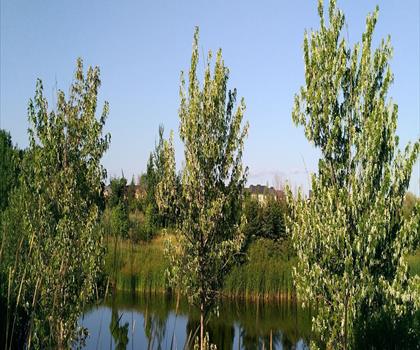
Wismer Park
York, Durham and Headwaters
Hiking near Toronto
168 trails to explore ~26 km away
We work hard to provide the most up-to-date and error-free data possible. If something seems incorrect, let us know! Your contribution helps the whole community.
Hikers' opinions
Be the first to review!
No hiker has shared their experience yet. Share your impressions and help other hikers!