
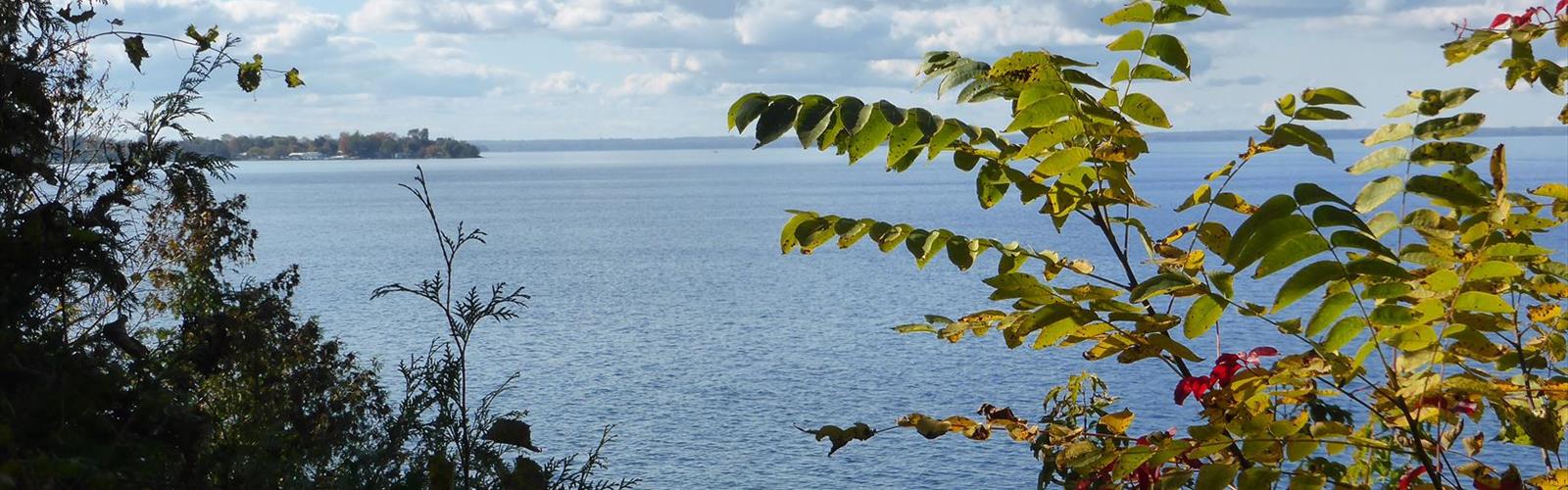

Ready to explore Tobacco Trails? Here's everything you need to know before you go!
Discover the trail

Trail description
The Tobacco Trails wind through the rolling countryside of the York, Durham, and Headwaters region in Southern Ontario, offering a relaxed and rewarding hiking experience that blends natural variety with a genuine sense of local history. At 3.2 km with around 50 meters of elevation gain, this easy route takes roughly an hour to complete — making it a solid choice for a morning outing, a family afternoon, or a low-key weekday escape.
Terrain and Trail Feel
The trail moves through a pleasing mix of environments without ever feeling rushed or monotonous. You'll pass through stretches of hardwood forest where maple, oak, and birch close in overhead, filtering the light and muffling outside noise. Then the path opens up into former agricultural fields — wide, grassy clearings that give you room to breathe and a chance to look around.
The 50-meter elevation change is gentle and gradual, following the natural contours of Southern Ontario's landscape. There are no steep climbs or technical sections, which makes this trail genuinely accessible for most people, including families with kids and those returning to hiking after a break. The surface is well-maintained and manageable in standard hiking footwear, though supportive shoes are always a good call on mixed terrain.
The waterway sections add a quieter, more contemplative quality to the hike. Small streams and seasonal creeks run alongside portions of the trail, and the sound of moving water has a way of slowing you down in the best possible sense. These riparian corridors support noticeably different plant life than the upland forest, and the contrast is part of what makes the trail feel varied despite its modest length.
Wildlife and Natural Highlights
The mix of forest, open meadow, and wetland habitat packed into a relatively short trail makes the Tobacco Trails a genuinely good spot for wildlife observation. White-tailed deer are a regular presence, most often spotted in the early morning or toward dusk when they move between the forest edge and the open clearings. Cottontail rabbits are common too, especially where the tree line meets the field.
Birdwatchers will find the habitat diversity works in their favour. The forested sections attract woodpeckers, nuthatches, and a rotating cast of songbirds depending on the season. Out in the open areas and near the wetlands, you're more likely to spot red-winged blackbirds, various raptors, and seasonal waterfowl. The transition zones between habitats — where forest gives way to field, or field drops into a creek corridor — tend to be the most productive spots to stop and watch.
Fall is a particularly strong season on these trails. The mixed deciduous canopy puts on a full display of reds, oranges, and yellows, typically peaking in early to mid-October. It's one of those hikes that photographs well in autumn without requiring much effort to find a good shot.
Historical Context
The name isn't incidental. This area was once active tobacco farming country, and that agricultural past shaped the landscape you're walking through today. The open meadows aren't natural clearings — they're former cultivated fields that have been transitioning back toward a more natural state over time. Interpretive signs placed along the trail explain this history and help connect what you're seeing on the ground to the broader story of how the land has changed.
That shift from working farmland to protected green corridor is a pattern you see across this part of Ontario, and the Tobacco Trails are a good example of how former agricultural land can become genuinely valuable habitat and recreational space. The educational elements along the route add real depth to the experience without turning the hike into a lecture.
Planning Your Visit
The trail network includes multiple access points, which gives you some flexibility in how you approach the route. There are no reliable water sources along the way, so bring what you need. The combination of shaded forest sections and exposed open fields means conditions can shift noticeably throughout the hike — something worth keeping in mind when dressing for the weather.
The meadow areas and stream crossings make natural rest stops and are good spots to eat lunch or let kids explore for a few minutes. The trail is well-suited to families; the grades are gentle, the distance is manageable, and the variety of environments gives younger hikers enough to stay curious about.
As with any trail, staying on designated paths and packing out everything you bring in helps keep the experience good for the next person — and protects the wildlife habitat that makes these trails worth visiting in the first place.
The Essential Hiking Checklist
Everything you need for your next hike. Bilingual, printable, 1 page.
Get your free hiking checklistRecommended gear for this trail
As an Amazon Associate I earn from qualifying purchases.


Ready to go?
Everything you need to know before you goStarting Point
The tobacco trails are located in the town of Ontario, in Wayne County, New York. The trails can be accessed from several points in the town, including from routes 104 and 31.
When?
How much?
As an Amazon Associate I earn from qualifying purchases.
Affiliate links — LGPO may earn a commission at no extra cost to you.
- Hiking shoes Essential
- → Salomon Elixir Tour Mid WP · 203.38 $
- Layered clothing Essential
- Rain jacket Essential
- Trekking poles
- → Black Diamond Trail Ergo Cork · 69.99 $
- Headlamp
- → Petzl Actik Core 625 · 103.95 $
FAQ - Frequently asked questions
Everything you need to knowSimilar hikes nearby
Discover other trails you might enjoy

North Maple Regional Park
York, Durham and Headwaters
Murphys Pinnacle, Ontario
York, Durham and Headwaters
Vicki Barron Lakeside Trail
York, Durham and Headwaters

Hockley Valley
York, Durham and Headwaters

Eldred King Woodlands
York, Durham and Headwaters
Wismer Park
York, Durham and Headwaters
Hiking near Barrie
146 trails to explore ~33 km away
We work hard to provide the most up-to-date and error-free data possible. If something seems incorrect, let us know! Your contribution helps the whole community.
Hikers' opinions
Be the first to review!
No hiker has shared their experience yet. Share your impressions and help other hikers!