
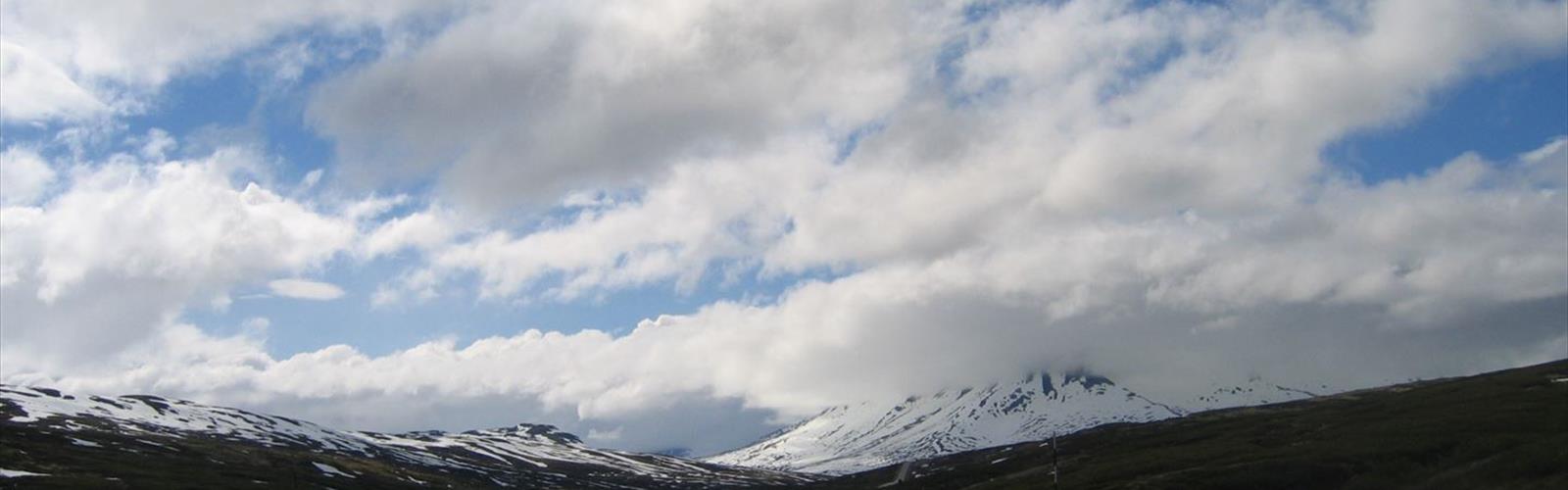

Ready to explore Dalton Trail? Here's everything you need to know before you go!
Discover the trail
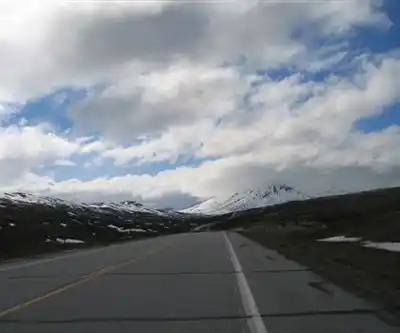
Trail description
The Dalton Trail is one of those routes that carries real history in every step. Located in the Whitehorse area of Yukon, this trail follows the path of a historic trade and travel corridor that connected the coast to the interior long before roads existed in this part of the North. Walking it today means moving through a landscape that has seen Indigenous peoples, gold rush stampeders, and early traders pass through — and the land still feels like it holds all of that.
What Kind of Trail Is This?
The Dalton Trail is a backcountry-style route in the Yukon wilderness near Whitehorse. It's not a groomed park trail with signage every hundred metres — this is the kind of hiking that asks you to pay attention, read the terrain, and come prepared. The route travels through boreal forest, open tundra sections, and river valley terrain typical of the southern Yukon interior. Expect a mix of surfaces underfoot: packed earth, boggy sections, rocky stretches, and areas where the trail may be faint or require route-finding.
Because this is Yukon backcountry, wildlife encounters are a real possibility. Bears — both black and grizzly — are present in this region, and moose are commonly spotted near wetland and riparian areas along the route. Carry bear spray, make noise on the trail, and know how to respond to wildlife. This isn't a scare tactic — it's just part of hiking in the Yukon.
The Historical Context
The Dalton Trail takes its name from Jack Dalton, an American entrepreneur and frontiersman who developed and operated this route as a toll trail in the 1890s. Dalton recognized the value of an overland route that avoided the brutal mountain passes used by most Klondike-bound stampeders. His trail ran from the Lynn Canal on the coast inland through the Yukon, and it became a legitimate — if expensive — alternative for those who could afford the toll.
Before Dalton commercialized it, the route had long been used by the Champagne and Aishihik First Nations, whose traditional territory covers much of this region. The trail corridor was part of a broader network of Indigenous travel and trade routes that connected communities across the southern Yukon. That deeper history is worth keeping in mind as you walk — the path you're on is far older than the gold rush.
The Terrain and Landscape
The Whitehorse area section of the Dalton Trail moves through classic southern Yukon scenery. Boreal forest dominates much of the route, with stands of spruce and aspen giving way to more open terrain as elevation changes. The landscape is expansive in the way that's particular to the Yukon — you get long sightlines, big skies, and a sense of genuine remoteness even when you're not that far from the city.
Wetland areas and creek crossings are part of the experience. Depending on the season and recent precipitation, some sections can be wet underfoot, and creek levels can vary significantly. Waterproof boots are a practical choice for this trail, not just a precaution.
The boreal ecosystem here supports a wide range of wildlife beyond the larger mammals. Raptors, including hawks and eagles, are frequently seen. Smaller mammals like ground squirrels are common, and the birdlife through the forest sections is active, particularly in early summer.
Practical Information for Hikers
Because the Dalton Trail is a historic and backcountry route rather than a developed park trail, there are some practical realities to plan around:
- Navigation: Bring a topographic map and know how to use it. GPS is helpful, but don't rely on it exclusively. Trail markers may be minimal or absent in sections.
- Water: Water sources exist along the route, but always treat or filter backcountry water before drinking. Carry enough to get between sources.
- Weather: Yukon weather can shift quickly. Even in summer, temperatures can drop and conditions can change within hours. Pack layers and rain gear regardless of the forecast.
- Wildlife awareness: Bear spray should be accessible, not buried in your pack. Travel in groups when possible and make your presence known on the trail.
- Leave No Trace: This is a historically and ecologically sensitive corridor. Pack out everything you pack in, stay on established trail where it exists, and respect the landscape.
Getting There
The Dalton Trail is accessible from the Whitehorse area in Yukon. As with many backcountry routes in the territory, access points and trailhead conditions can vary, and it's worth checking current conditions before heading out. Local outfitters and the Yukon government's outdoor recreation resources are good starting points for up-to-date access information.
Who This Trail Is For
This trail suits hikers who are comfortable with backcountry conditions and don't need a heavily developed trail experience. If you're looking for a groomed path with regular signage and facilities, this isn't it. But if you want to walk a route with genuine historical depth through authentic Yukon wilderness — the kind of terrain that feels like it hasn't been softened for visitors — the Dalton Trail delivers that in full.
Experienced hikers with solid navigation skills and proper backcountry gear will find this route rewarding. Those newer to backcountry travel should consider going with someone who knows the area, or building their skills on more developed trails in the Whitehorse area before tackling this one.
A Note on Respect
The Dalton Trail passes through the traditional territory of the Champagne and Aishihik First Nations. Approaching this trail with an awareness of that history — and with respect for the land and its deeper significance — is part of what it means to hike responsibly in the Yukon. This isn't just a scenic corridor; it's a living landscape with layers of meaning that go well beyond the gold rush story most people know.
The Essential Hiking Checklist
Everything you need for your next hike. Bilingual, printable, 1 page.
Get your free hiking checklistRecommended gear for this trail
As an Amazon Associate I earn from qualifying purchases.


Ready to go?
Everything you need to know before you goWhen?
How much?
As an Amazon Associate I earn from qualifying purchases.
Affiliate links — LGPO may earn a commission at no extra cost to you.
- Hiking shoes Essential
- → Salomon Elixir Tour Mid WP · 203.38 $
- Layered clothing Essential
- Rain jacket Essential
- Trekking poles
- → Black Diamond Trail Ergo Cork · 69.99 $
- Headlamp
- → Petzl Actik Core 625 · 103.95 $
FAQ - Frequently asked questions
Everything you need to knowHiking near Sydney
22 trails to explore ~7083 km away
We work hard to provide the most up-to-date and error-free data possible. If something seems incorrect, let us know! Your contribution helps the whole community.
Hikers' opinions
Be the first to review!
No hiker has shared their experience yet. Share your impressions and help other hikers!