

Ready to explore Castle Mountain, California? Here's everything you need to know before you go!
Discover the trail
Trail description
Castle Mountain in California's Central Coast region is a destination that draws climbers and hikers looking for something a little more rugged than the typical trail experience. The terrain here is defined by rocky outcroppings, open chaparral, and the kind of raw, exposed landscape that makes you feel genuinely out in it. Whether you're coming to scramble, climb, or simply push yourself on uneven ground, Castle Mountain delivers a physical and visual experience that stands apart from the more manicured trails in the region.
The Terrain
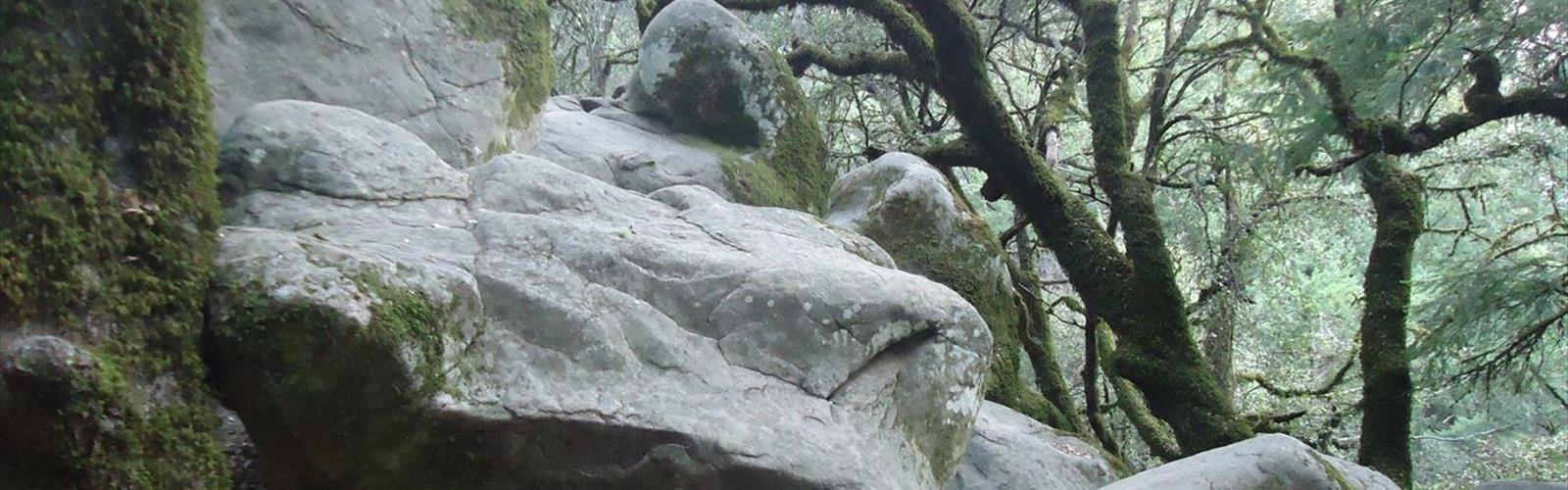
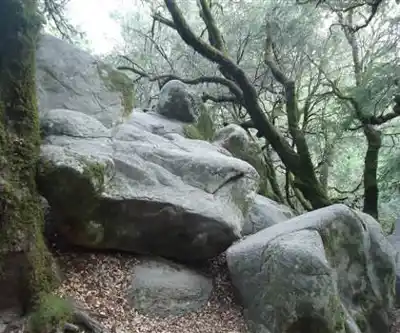
The mountain lives up to its name. The upper sections feature dramatic rock formations that give the summit its castle-like silhouette when viewed from below. The approach involves navigating through dense brush and loose, rocky footing — this isn't a groomed path, and that's exactly the point. The ground shifts between compacted dirt, exposed stone, and sections where you're picking your own line through the vegetation.
The rock itself is the main attraction for climbers. The Central Coast geology here offers solid, grippy surfaces with natural features — cracks, ledges, and faces — that reward technical skill. If you're coming specifically to climb, expect a mix of routes that challenge both beginners looking to get their first taste of outdoor climbing and more experienced climbers after something with real exposure.
What to Expect on the Way Up
The climb to Castle Mountain is not a casual stroll. The terrain demands attention throughout — loose rock underfoot, sections where hands come into play, and a route that requires you to stay aware of your footing at all times. This is the kind of place where trekking poles are useful on the descent, and where trail runners or approach shoes with solid grip make a real difference.
The vegetation along the way is classic Central Coast chaparral: manzanita, scrub oak, and sage that fills the air with a sharp, dry scent on warm days. The trail corridor opens up at various points, giving you early views across the surrounding hills and valleys that build anticipation for what's waiting at the top.
As you gain elevation, the rock formations become more prominent and the exposure increases. The final push to the summit area involves some hands-on scrambling — nothing that requires a rope for most people, but enough to get the heart rate up and demand full engagement. Take your time here, especially if the rock is damp.
At the Top
The summit and upper rock formations are the payoff. The views from the top stretch across the Central Coast landscape — rolling hills, distant ridgelines, and on clear days, a sense of the broader geography of the region. The rock itself is worth exploring once you're up there; the formations have character, with nooks, ledges, and natural features that make the summit area feel like its own small world.
For climbers, the upper sections offer the most interesting technical terrain. The routes here take advantage of the natural rock architecture, and the setting — open sky, solid stone, no crowds — makes for a genuinely satisfying climbing experience away from the more trafficked crags of the region.
Who This Is For
Castle Mountain is best suited for people who are comfortable on uneven, rocky terrain and don't need a clearly marked path to feel confident. Hikers with some scrambling experience will find it manageable and rewarding. Climbers, especially those who enjoy exploring less-developed outdoor crags, will appreciate the natural quality of the rock and the relative solitude.
This is not the right destination for young children, anyone with mobility limitations, or people expecting a well-maintained trail with signage at every junction. The appeal here is precisely the unpolished, self-reliant nature of the experience.
Practical Notes
- Footwear: Approach shoes or trail runners with aggressive grip are strongly recommended. Smooth-soled shoes are a liability on the rocky sections.
- Water: Carry more than you think you need. The exposed terrain and physical effort of scrambling burn through hydration faster than a standard trail hike.
- Sun exposure: The upper sections of Castle Mountain are fully exposed. A hat, sunscreen, and sun-protective layers are practical necessities, not optional extras.
- Timing: Early morning starts are smart — both to beat the heat on warmer days and to have the rock to yourself.
- Navigation: The route is not heavily marked. Download an offline map or GPS track before you go, and take note of your surroundings on the way up so the descent is straightforward.
- Climbing gear: If you're coming specifically to climb technical routes, bring your own gear and do your research on the specific lines beforehand. This is not a developed sport climbing area with fixed anchors everywhere.
Getting There
Castle Mountain sits within California's Central Coast region. Access details and current trailhead conditions are worth confirming before your visit, as road conditions and parking availability in this area can vary. Check recent trip reports from other visitors to get the most up-to-date picture of what to expect on approach.
What Makes Castle Mountain Worth the Trip
In a region with no shortage of hiking options, Castle Mountain earns its place by offering something genuinely different: a climbing-focused, scramble-heavy experience on real rock, in a setting that hasn't been over-developed or over-visited. The Central Coast has plenty of beautiful trails, but not many places where you're genuinely using your hands, reading the terrain, and earning your views through physical problem-solving rather than just putting one foot in front of the other.
The combination of accessible scrambling for hikers and legitimate climbing terrain for those with technical skills makes it a versatile destination — one that rewards repeat visits as you push into more challenging lines on the rock.
The Essential Hiking Checklist
Everything you need for your next hike. Bilingual, printable, 1 page.
Get your free hiking checklistRecommended gear for this trail
As an Amazon Associate I earn from qualifying purchases.


Ready to go?
Everything you need to know before you goWhen?
How much?
As an Amazon Associate I earn from qualifying purchases.
Affiliate links — LGPO may earn a commission at no extra cost to you.
- Hiking shoes Essential
- → Salomon Elixir Tour Mid WP · 203.38 $
- Layered clothing Essential
- Rain jacket Essential
- Trekking poles
- → Black Diamond Trail Ergo Cork · 69.99 $
- Headlamp
- → Petzl Actik Core 625 · 103.95 $
FAQ - Frequently asked questions
Everything you need to knowSimilar hikes nearby
Discover other trails you might enjoy

Saddle Peak, California
Central Coast
Indians Road
Central Coast
Pinnacles National Park
Central Coast
Stearns Wharf
Central Coast
Bishop Peak, California
Central Coast
Black Hill, California
Central Coast
Hiking near Victoria
93 trails to explore ~1409 km away
We work hard to provide the most up-to-date and error-free data possible. If something seems incorrect, let us know! Your contribution helps the whole community.
Hikers' opinions
Be the first to review!
No hiker has shared their experience yet. Share your impressions and help other hikers!