


Ready to explore West Branch Farmington River? Here's everything you need to know before you go!
Discover the trail
Oh no! We don't have any photos 😢
This trail hasn't been captured yet. Be the first to share your adventure!Trail description
The West Branch Farmington River is one of Connecticut's most beloved natural corridors — a place where cold, clear water carves through forested hills and the pace of the outside world genuinely slows down. Whether you're here to walk the riverbanks, watch for wildlife, or simply find a quiet stretch of moving water, this area delivers the kind of experience that keeps people coming back season after season.
The River and Its Character
The West Branch of the Farmington River is a federally designated Wild and Scenic River, a status it earned for good reason. The water runs cold and clean, fed by the hills of northwestern Connecticut, and the surrounding landscape has been protected well enough that it still feels genuinely wild in stretches. The river corridor is known for its exceptional water quality, which supports a healthy population of wild trout — making it a destination not just for hikers but for fly fishers who wade these waters year-round.
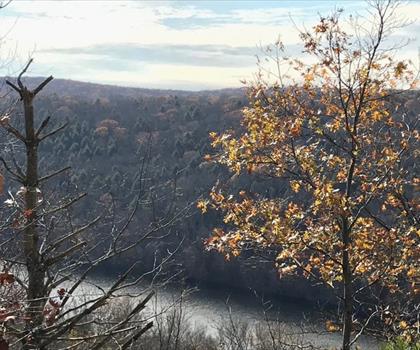
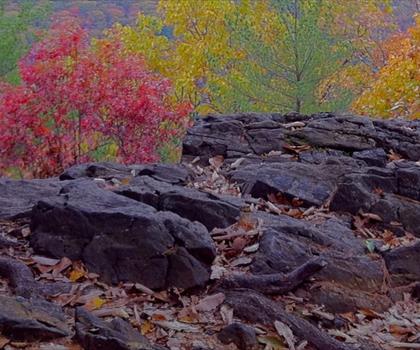
The terrain along the West Branch is a mix of forested slopes, open riverbanks, and rocky outcroppings. The forest here is classic New England hardwood and mixed conifer — maples, birches, hemlocks — with the kind of dense canopy that makes summer walking comfortable even on warm days. In fall, the color along the river corridor is genuinely spectacular, with the water reflecting the oranges and reds of the surrounding hillsides.
What to Expect on the Trail
Trails in the West Branch Farmington River area follow the river closely in many sections, giving you consistent access to the water and the sounds that come with it. The footing varies — some stretches are smooth and easy to follow, while others involve roots, rocks, and uneven ground typical of Connecticut's forested terrain. It's the kind of place where paying attention to where you step is part of the experience rather than a frustration.
The river itself is a constant presence. You'll hear it before you see it in many spots, and there are natural pull-off points along the way where it makes sense to stop, sit on a rock, and watch the current move. These aren't manufactured viewpoints — they're just places where the trail and the river happen to meet in a way that invites you to pause.
Wildlife sightings are common here. The river corridor supports a wide range of bird species, and the combination of water, forest edge, and protected land creates good habitat for mammals as well. Keep your eyes open and your noise level down, especially in the early morning.
Fly Fishing and the River Community
It's worth knowing that the West Branch Farmington River has a strong fly fishing culture attached to it. The river is managed as a trophy trout fishery in certain sections, and on weekends especially, you'll likely share the corridor with anglers wading the shallows. This is part of what makes the area feel alive — it's not just a hiking destination but a place with a real community of people who care about the river's health and character.
If you're hiking rather than fishing, this coexistence is generally easy and respectful. Give anglers space when the trail brings you close to the water, and you'll find the atmosphere is friendly and low-key.
Access and Parking
The West Branch Farmington River area has multiple access points, which gives you flexibility in how you approach a visit. Parking areas are available at various trailheads along the corridor. As with most natural areas in Connecticut, arriving earlier in the day — especially on weekends — gives you a better shot at finding a spot without hassle and lets you enjoy the quieter hours on the trail.
The area is accessible from several small towns in the region, and the roads leading in are well-marked. Cell service can be limited in some sections of the valley, so it's worth downloading a map or noting your route before you head out.
Seasons and Conditions
The West Branch Farmington River corridor is a four-season destination, though each time of year brings its own considerations.
- Spring: Snowmelt and rain can raise water levels significantly, making some riverside sections muddy or temporarily impassable. The forest comes alive quickly, and wildflowers appear along the banks before the canopy fully closes in.
- Summer: The dense tree cover keeps trails shaded and relatively cool. The river is at its most inviting for wading and watching, and the full green canopy makes this one of the more pleasant summer hiking spots in the state.
- Fall: Peak foliage along a river corridor is hard to beat, and the West Branch delivers. Colors typically peak in mid-to-late October in this part of Connecticut. Trails are drier and firmer underfoot than in spring.
- Winter: The river takes on a different character in cold weather — ice formations along the banks, bare trees opening up longer sightlines, and a stillness that's hard to find in other seasons. Dress in layers and watch for icy patches on shaded sections of trail.
What Makes This Place Stand Out
Connecticut has a lot of good hiking, but places with genuine river character — where the water is clean, the corridor is protected, and the experience feels removed from suburban sprawl — are rarer than you'd think. The West Branch Farmington River is one of those places. The Wild and Scenic designation isn't just a label; it reflects a real commitment to keeping this corridor intact, and you can feel that when you're walking it.
The combination of accessible terrain, consistent river access, strong wildlife habitat, and a community of people who genuinely value the place makes the West Branch Farmington River one of the more rewarding natural areas to explore in Connecticut.
The Essential Hiking Checklist
Everything you need for your next hike. Bilingual, printable, 1 page.
Get your free hiking checklistRecommended gear for this trail
As an Amazon Associate I earn from qualifying purchases.


Ready to go?
Everything you need to know before you goWhen?
How much?
As an Amazon Associate I earn from qualifying purchases.
Affiliate links — LGPO may earn a commission at no extra cost to you.
- Hiking shoes Essential
- → Salomon Elixir Tour Mid WP · 203.38 $
- Layered clothing Essential
- Rain jacket Essential
- Trekking poles
- → Black Diamond Trail Ergo Cork · 69.99 $
- Headlamp
- → Petzl Actik Core 625 · 103.95 $
FAQ - Frequently asked questions
Everything you need to knowSimilar hikes nearby
Discover other trails you might enjoy
Hiking near Sydney
22 trails to explore ~7584 km away
We work hard to provide the most up-to-date and error-free data possible. If something seems incorrect, let us know! Your contribution helps the whole community.
Hikers' opinions
Be the first to review!
No hiker has shared their experience yet. Share your impressions and help other hikers!