
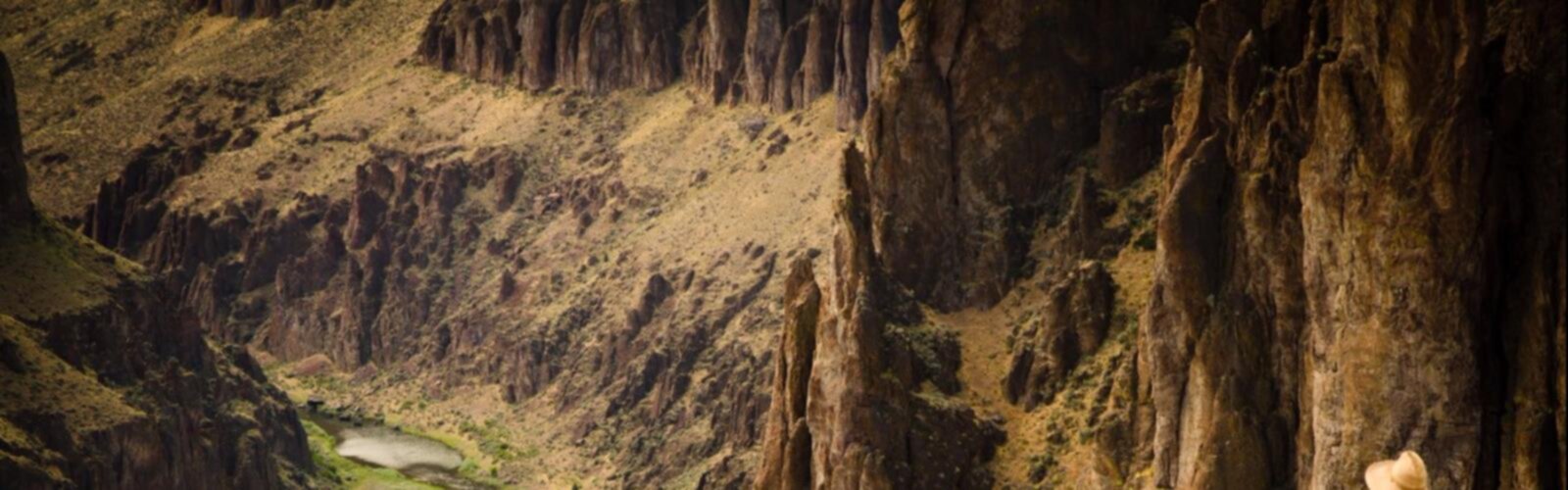
Ready to explore Main Stem Delaware River? Here's everything you need to know before you go!
Discover the trail
Oh no! We don't have any photos 😢
This trail hasn't been captured yet. Be the first to share your adventure!Trail description
The Main Stem Delaware River is one of the most iconic waterways in the eastern United States, and exploring its banks on foot gives you a perspective that no boat or car can match. Whether you're walking the floodplain trails, scrambling along rocky shorelines, or simply finding a quiet spot to watch the current move, this stretch of river offers a genuinely rewarding outdoor experience rooted in both natural beauty and deep American history.
The River and Its Setting
The Main Stem of the Delaware River runs along the border between multiple states, carving through a landscape that shifts between forested ridges, open floodplains, and small river towns. The corridor feels surprisingly wild in places, especially where the forest presses close to the water and the trail pulls away from any road noise. In other sections, you'll pass through more open terrain with long views across the river to the opposite bank.
The Delaware is a free-flowing river — one of the last major undammed rivers in the eastern U.S. — and that status shapes everything about the experience here. The water moves with real energy, the floodplain ecosystems are intact and diverse, and the wildlife reflects a river corridor that hasn't been fragmented by impoundments. That's increasingly rare, and it's worth appreciating when you're out there.
What to Expect on the Trail
Hiking along the Main Stem Delaware River means working with the river's rhythm. Trails here tend to follow the natural contours of the land — sometimes tight against the bank, sometimes pulling back into the woods where the terrain rises. Footing can vary considerably depending on recent water levels; after high water, sections of trail near the floodplain may be muddy or temporarily covered with debris. Wear footwear you don't mind getting dirty.
Rocky outcrops and gravel bars appear regularly along the shoreline, and these make excellent spots to stop, eat lunch, and watch the river. The Delaware moves fast enough in many sections that you'll hear it before you see it when you're coming through the trees — that sound is a reliable companion throughout the hike.
The forest along the corridor is mixed hardwood, with sycamores being particularly prominent near the water's edge. Their white-patched bark is easy to spot and gives the riverbank a distinctive look, especially in late fall and winter when the leaves are down. Cottonwoods, silver maples, and river birch fill out the floodplain canopy in many sections.
Wildlife Along the Water
The Delaware River corridor is excellent habitat for a wide range of species, and hiking here means keeping your eyes open. Bald eagles are a genuine highlight — the population along the Delaware has recovered strongly, and sightings are common, particularly in the colder months when the birds concentrate near open water. Great blue herons are practically guaranteed; they stand motionless in the shallows or lift off with slow, deliberate wingbeats as you round a bend.
Osprey are active during warmer months, diving for fish with impressive precision. River otters have been documented in the corridor, though they're shy and a sighting is a real treat. White-tailed deer are common throughout the floodplain forest, and wild turkey are frequently spotted in the early morning hours.
The river itself supports a healthy fish population, including American shad, which make a notable spawning run each spring. If you're hiking in April or May, you may see shad breaking the surface in the shallower riffles — it's one of those seasonal events that makes the timing of a visit matter.
History on the Ground
The Delaware River has been central to North American history for centuries, and that context adds a layer to any hike along its banks. Indigenous peoples — particularly the Lenape — lived along this river for thousands of years before European contact, and their relationship with the land and water shaped the corridor in ways that are still visible in place names and landscape patterns.
The river later became a critical artery during the colonial and revolutionary periods. George Washington's famous crossing of the Delaware in December 1776 took place along this main stem, and the broader region saw significant military and commercial activity throughout the 18th and 19th centuries. Old canal towpaths, remnants of lock systems, and historic structures appear in various sections of the corridor, connecting the present-day trail experience to that longer story.
Practical Information
Access to the Main Stem Delaware River corridor varies by section. Multiple entry points exist along the river, with parking areas, boat launches, and trailheads managed by a combination of federal, state, and local agencies. The Delaware Water Gap National Recreation Area oversees a significant portion of the river corridor and provides well-maintained infrastructure including restrooms, picnic areas, and marked trails in many sections.
- Parking: Available at numerous access points along the corridor; specific lots vary by section and managing agency.
- Dogs: Generally permitted in most sections of the corridor; check specific area regulations, as rules can vary between managing agencies.
- Fees: Some sections and facilities within the Delaware Water Gap National Recreation Area may have associated fees; verify current information before your visit.
- Water access: The river is popular for swimming, fishing, and paddling in addition to hiking; expect company at popular access points during summer weekends.
- Trail conditions: Floodplain sections can be affected by high water events; check conditions after significant rainfall before heading out.
What Makes This Place Worth the Trip
What sets the Main Stem Delaware River apart from most hiking destinations in the region is the combination of ecological integrity and historical depth. You're walking alongside one of the genuinely wild rivers left in the eastern U.S., in a corridor that has been shaped by both natural forces and centuries of human history. The wildlife is real and present, the landscape is varied enough to hold your attention across a long day, and the river itself — always moving, always changing with the season and the weather — gives the whole experience an energy that static landscapes simply don't have.
Whether you're here for a focused wildlife outing, a history walk, or simply a few hours moving through good terrain with the sound of moving water beside you, the Main Stem Delaware River delivers something that's hard to find this close to the densely populated northeastern corridor.
Everything you need for your next hike. Bilingual, printable, 1 page.
Get your free hiking checklistRecommended gear for this trail
As an Amazon Associate I earn from qualifying purchases.


Ready to go?
Everything you need to know before you goWhen?
As an Amazon Associate I earn from qualifying purchases.
Affiliate links — LGPO may earn a commission at no extra cost to you.
- Hiking shoes Essential
- → Salomon Elixir Tour Mid WP · 203.38 $
- Layered clothing Essential
- Rain jacket Essential
- Trekking poles
- → Black Diamond Trail Ergo Cork · 69.99 $
- Headlamp
- → Petzl Actik Core 625 · 103.95 $
FAQ - Frequently asked questions
Everything you need to knowOutings near Main Stem Delaware River
Discover other trails you might enjoy

Indiana Beach Walk
2.7 km away
Neal Smith
Capital Country · 8.4 km away
Root Trail
Central Michigan · 9.2 km away
Indiana Dunes National Lakeshore West Beach Loop
20.4 km away

North Country Trail New York Border to Red Bridge
North Country · 30.7 km away

Appalachian Trail in New York State
Adirondacks · 35.7 km away
Hiking near Sydney
25 trails to explore ~7591 km away
We work hard to provide the most up-to-date and error-free data possible. If something seems incorrect, let us know! Your contribution helps the whole community.
Hikers' opinions
Be the first to review!
No hiker has shared their experience yet. Share your impressions and help other hikers!