
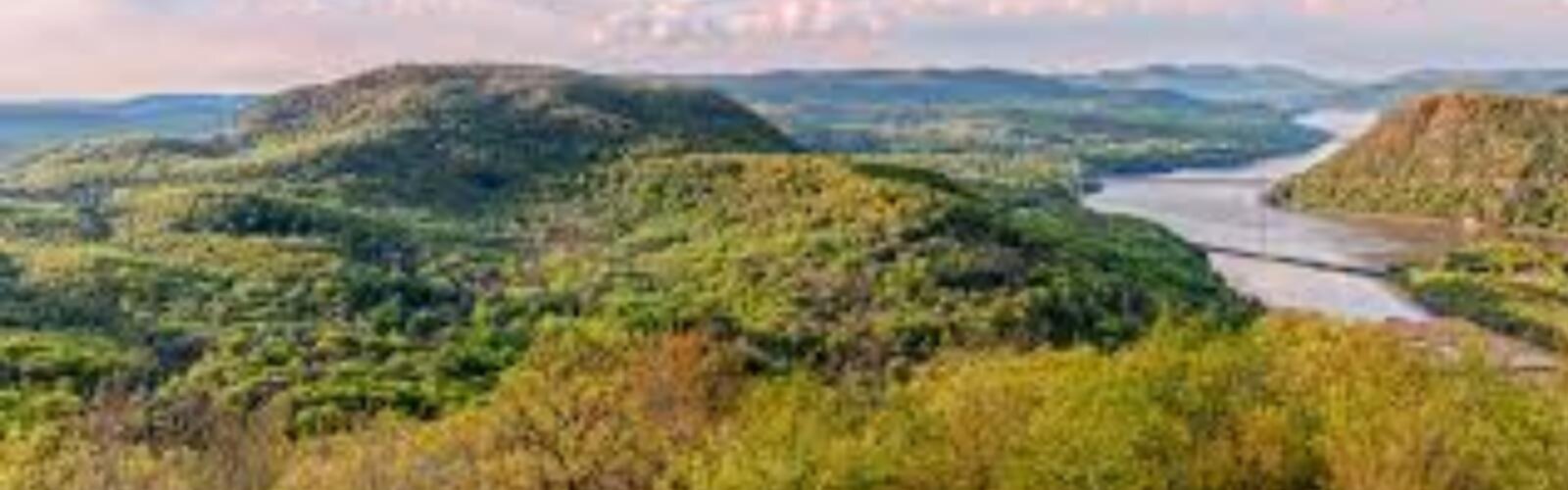

Ready to explore Appalachian Trail in New York State? Here's everything you need to know before you go!
Discover the trail


Trail description
The Appalachian Trail in New York State is one of the most accessible and historically significant stretches of the entire 2,000-plus-mile footpath that runs from Georgia to Maine. New York's section winds through a surprisingly varied landscape — from the Hudson Valley lowlands to the ridgelines of the Harriman and Bear Mountain state parks, and then north through the Taconic highlands before crossing into Connecticut. For hikers based in the Northeast, this is a section of the AT that rewards both day-trippers and those doing longer thru-hikes or section hikes.
What makes the New York stretch stand out is the contrast it offers. You're never far from one of the most densely populated regions in North America, yet the trail regularly delivers genuine solitude, rocky summits with open views, and dense hardwood forest that feels genuinely wild. That tension between the urban and the remote is part of what defines hiking the AT in New York.
The Terrain
The trail in New York moves through several distinct landscapes depending on which section you're walking. In the south, around Harriman and Bear Mountain State Parks, the terrain is rocky and rugged — exposed ridgelines, glacially scoured bedrock, and steep climbs that catch a lot of first-timers off guard. The rock underfoot is often slick when wet, so footwear with solid grip matters here.
Further north, the trail softens somewhat as it passes through farmland, open meadows, and quieter woodland corridors. The Taconic section near the Connecticut border has a different feel entirely — rolling, forested, with a few reliable water sources and a more remote atmosphere despite being geographically close to suburban areas.
Throughout the New York section, the trail is well-marked with the AT's signature white blazes. Side trails, blue-blazed, branch off regularly to shelters, viewpoints, and trailheads — useful to know if you're planning a point-to-point day hike rather than an out-and-back.
What to Expect on the Trail
The AT in New York sees heavy foot traffic, especially on weekends near the southern trailheads in Harriman and Bear Mountain. If you're looking for a quieter experience, weekday hiking or heading to the less-visited northern sections will make a real difference. The trail near Bear Mountain itself — including the crossing over Perkins Memorial Drive and the descent to Trailside Museums and Zoo — is one of the most visited segments of the entire Appalachian Trail nationally.
Shelters and lean-tos are spaced along the route, maintained by the New York-New Jersey Trail Conference, which does an enormous amount of the volunteer trail work that keeps this section in good shape. Water sources exist along the way, but as with any backcountry travel, treating water before drinking is standard practice.
The trail crosses several roads throughout New York, which makes it practical for section hikers to plan shorter segments with car shuttles. This also means the AT in New York is genuinely flexible — you can do a two-hour leg-stretcher or string together a multi-day trip depending on what you're after.
Highlights Along the Route
- Bear Mountain and Perkins Memorial Tower: One of the most iconic stops on the entire AT, the summit offers sweeping views and is a landmark that thru-hikers and day visitors alike make a point of reaching.
- Harriman State Park: The AT passes through this massive park, which has an extensive trail network of its own. The rocky terrain and open ridges here are some of the most technically interesting walking in the New York section.
- Hudson River and Bear Mountain Bridge: The trail passes near the Bear Mountain Bridge, a genuinely memorable landmark visible from the trail that thru-hikers and day visitors use to orient themselves. The bridge itself is an automobile crossing, while the trail uses alternative routes in this area.
- Nuclear Lake: Further north in Putnam County, this trail-side lake is a well-known stop with a somewhat unusual history and a peaceful setting that makes for a good rest point.
- Pawling Nature Reserve: Near the Connecticut border, this section passes through a quieter, more rural landscape managed by The Nature Conservancy, with a train station nearby that makes car-free access genuinely possible.
Access and Trailheads
The New York section of the AT has multiple access points, which is one of its practical strengths. Major trailheads exist at Bear Mountain State Park, at various road crossings through Harriman, and at several points further north through Dutchess and Putnam counties. Parking availability varies significantly by location — the southern trailheads near Bear Mountain can fill up fast on weekends, while northern access points tend to be quieter.
Metro-North Railroad serves a few points near the trail in the northern section, making it possible to reach parts of the AT without a car — a genuine rarity on a long-distance trail and worth knowing about if you're coming from New York City.
Dogs and Trail Etiquette
Dogs are permitted on the Appalachian Trail in New York, but rules vary depending on which land the trail crosses. Within Bear Mountain and Harriman State Parks, dogs must be leashed. It's worth checking current regulations for specific sections before heading out, as the trail passes through a patchwork of different land management jurisdictions.
Given the trail's popularity, standard AT etiquette applies: pack out all waste, yield to uphill hikers, and give shelters priority to those doing overnight trips if you're just passing through on a day hike.
Seasons and Conditions
Spring and fall are the most popular seasons on the New York AT. Fall foliage in the Hudson Valley and Taconic highlands is legitimately spectacular and draws significant crowds to the trail in October. Spring brings mud season — the rocky sections handle it better than the softer northern segments, which can get churned up after snowmelt.
Summer hiking is entirely doable but heat and humidity can be significant, especially on exposed ridgelines in Harriman. Winter hiking is practiced by experienced hikers, though icy conditions on the rocky sections near Bear Mountain require microspikes or crampons and solid navigation skills.
Who This Trail Is For
The AT in New York works for a wide range of hikers. The southern sections around Harriman and Bear Mountain suit experienced day hikers comfortable with rocky, uneven terrain and some elevation gain. The northern sections are more approachable for hikers looking for longer, mellower days through forest and farmland. For thru-hikers and section hikers, New York represents a meaningful chunk of the overall journey — and the combination of challenging terrain, cultural landmarks like the Hudson River valley crossing, and surprisingly accessible logistics makes it one of the more memorable states on the full trail.
The Essential Hiking Checklist
Everything you need for your next hike. Bilingual, printable, 1 page.
Get your free hiking checklistRecommended gear for this trail
As an Amazon Associate I earn from qualifying purchases.


Ready to go?
Everything you need to know before you goStarting Point
To access the hiking trails, you can start at several trailheads in New York State. Here are some options:
Bear Mountain State Park: The trailhead is located near the Bear Mountain Inn, with parking available at 3006 Seven Lakes Drive, Bear Mountain, NY 10911.
Harriman State Park: You can begin your hike from the Elk Pen Parking Area, which is accessible via Arden Valley Road, Southfields, NY 10975.
Route 17A Trailhead: This trailhead is located along Route 17A near Greenwood Lake, with parking available at the intersection of Route 17A and Orange Turnpike.
Pawling Nature Reserve: Access this section from the parking area on Quaker Lake Road, Pawling, NY 12564.
Nuclear Lake Trailhead: Located off Old Route 55 in Pawling, NY. Parking is available near the entrance to the trail.
These locations provide convenient access points for exploring the trails in New York State.
When?
How much?
As an Amazon Associate I earn from qualifying purchases.
Affiliate links — LGPO may earn a commission at no extra cost to you.
- Hiking shoes Essential
- → Salomon Elixir Tour Mid WP · 203.38 $
- Layered clothing Essential
- Rain jacket Essential
- Trekking poles
- → Black Diamond Trail Ergo Cork · 69.99 $
- Headlamp
- → Petzl Actik Core 625 · 103.95 $
FAQ - Frequently asked questions
Everything you need to knowSimilar hikes nearby
Discover other trails you might enjoy

Algonquin Peak, New York
Adirondacks

Big Slide Mountain, New York
Adirondacks

Boundary Peak, New York
Adirondacks
Crane Mountain
Adirondacks
Avalanche Pass
Adirondacks
Ampersand Mountain, New York
Adirondacks
Hiking near Sydney
22 trails to explore ~7595 km away
We work hard to provide the most up-to-date and error-free data possible. If something seems incorrect, let us know! Your contribution helps the whole community.
Hikers' opinions
Be the first to review!
No hiker has shared their experience yet. Share your impressions and help other hikers!