
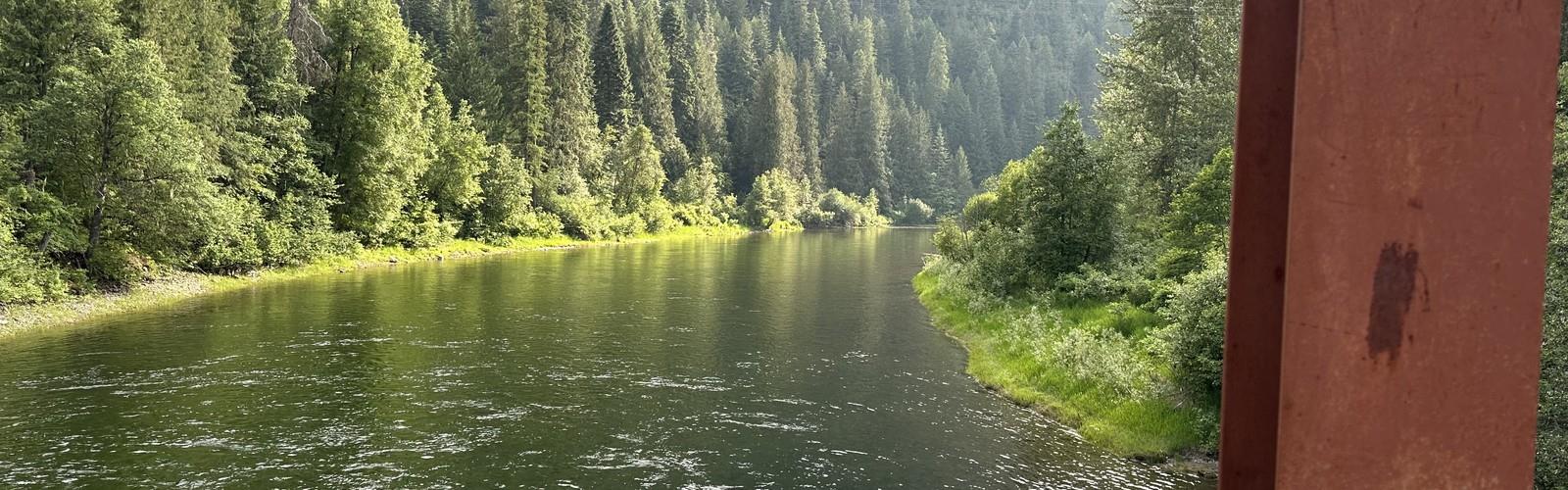

Ready to explore Saint Joe River? Here's everything you need to know before you go!
Discover the trail
Oh no! We don't have any photos 😢
This trail hasn't been captured yet. Be the first to share your adventure!Trail description
The Saint Joe River corridor in Idaho is one of those places that quietly earns a reputation among people who actually spend time in the backcountry. Tucked into the northern Idaho panhandle, the Saint Joe River winds through dense forest, past rocky banks, and through stretches of wilderness that feel genuinely remote — even when you're not that far from a road. Whether you're here to hike along the river, fish, paddle, or just find a quiet spot away from crowds, this area delivers.
The River and the Landscape
The Saint Joe River originates at an elevation of 6,487 feet in the Northern Bitterroot Range and flows west through the Saint Joe River Valley. Up here, the river runs fast and cold, fed by snowmelt from the surrounding mountains of the Saint Joe National Forest. The water is remarkably clear, and the riverbanks shift between open gravel bars, dense stands of cedar and hemlock, and steep forested slopes that press right down to the water's edge.
The terrain along the Saint Joe is varied. Lower stretches near the valley floor are relatively gentle, with wide floodplain areas and easy walking. As you move upstream, the canyon tightens, the gradient increases, and the forest gets thicker and darker. Western red cedar dominates much of the riparian zone, creating a lush, almost rainforest-like atmosphere that surprises a lot of first-time visitors who associate Idaho primarily with sagebrush and desert.
What to Expect on the Trail
Hiking along the Saint Joe River means spending a lot of time close to moving water, which shapes the whole experience. You'll cross side streams, navigate rooty and rocky sections of trail, and deal with the kind of damp, mossy conditions that come with a river environment. Footwear with solid grip and some water resistance is a smart call here — creek crossings can be unavoidable depending on the route and the season.
The forest canopy keeps things cool even in summer, which makes the Saint Joe corridor a good option when higher-elevation trails are still snowbound or when the heat elsewhere in the region makes hiking uncomfortable. That said, the same moisture that keeps things green also means bugs — particularly mosquitoes — can be significant in late spring and early summer. Come prepared.
Wildlife is a real part of the experience here. The river supports healthy populations of westslope cutthroat trout and bull trout, both of which you can often spot in the clear water. Osprey and bald eagles work the river regularly. Black bears are present in the area, so standard bear awareness practices apply — make noise on the trail, store food properly if you're camping, and know what to do if you have an encounter.
Access and the Surrounding Area
The Saint Joe River corridor is managed within the Saint Joe National Forest, which is administered by the U.S. Forest Service. Access points are spread along the river, with forest roads providing entry to different sections. The road conditions on some of these forest routes can be rough, and a vehicle with reasonable clearance is helpful for reaching the more remote put-ins and trailheads.
The town of St. Maries sits near the lower end of the river and serves as a practical base for trips into the area. From there, you can head upstream into progressively wilder country. The upper Saint Joe — sometimes called the "shadowy Saint Joe" — is particularly prized for its isolation and the quality of the fishing and scenery.
More Than Just Hiking
It's worth knowing that the Saint Joe River area isn't a single-use destination. The river itself is a draw for whitewater kayakers and canoeists, particularly in spring when flows are high. Fishing is a major reason people come here, and the Saint Joe has a strong reputation among fly anglers chasing native cutthroat. The forest roads and trails also see mountain bikers and, in winter, snowmobilers.
If you're planning a multi-day trip, dispersed camping is available in much of the national forest, which gives you real flexibility to set up camp along the river and explore at your own pace. Check current fire restrictions and any specific closures with the St. Maries Ranger District before you head out, as conditions and regulations can change seasonally.
Practical Tips
- Footwear: Waterproof or water-resistant hiking boots are strongly recommended given the river crossings and damp trail conditions.
- Bug protection: Bring insect repellent, especially for late spring and early summer visits.
- Bear awareness: Black bears are active in this area. Carry bear spray and know how to use it.
- Vehicle access: Some trailheads and access points require driving on unpaved forest roads. Check road conditions before your trip, especially after winter or heavy rain.
- Fishing regulations: If you plan to fish, make sure you have a valid Idaho fishing license and are familiar with the specific regulations for the Saint Joe River, which has special rules in some sections to protect native fish populations.
- Cell service: Expect limited to no cell coverage once you're in the canyon. Download offline maps before you go.
- Water: The river water looks clean, but always treat or filter before drinking.
Why the Saint Joe Stands Out
Northern Idaho has no shortage of rivers, but the Saint Joe has a character that sets it apart. The combination of old-growth cedar forest, cold clear water, native fish, and genuine backcountry feel — without requiring a major expedition to access — makes it a standout destination in the region. It's the kind of place where you can spend a full day moving through the forest alongside the river and come out feeling like you actually went somewhere, not just walked a loop in a park.
The Saint Joe rewards people who take their time with it, whether that means sitting on a gravel bar watching the water, pushing deeper into the upper canyon, or simply camping streamside and listening to the river run through the night.
The Essential Hiking Checklist
Everything you need for your next hike. Bilingual, printable, 1 page.
Get your free hiking checklistRecommended gear for this trail
As an Amazon Associate I earn from qualifying purchases.


Ready to go?
Everything you need to know before you goWhen?
How much?
As an Amazon Associate I earn from qualifying purchases.
Affiliate links — LGPO may earn a commission at no extra cost to you.
- Hiking shoes Essential
- → Salomon Elixir Tour Mid WP · 203.38 $
- Layered clothing Essential
- Rain jacket Essential
- Trekking poles
- → Black Diamond Trail Ergo Cork · 69.99 $
- Headlamp
- → Petzl Actik Core 625 · 103.95 $
FAQ - Frequently asked questions
Everything you need to knowSimilar hikes nearby
Discover other trails you might enjoy

Hiking near Kelowna
45 trails to explore ~398 km away
We work hard to provide the most up-to-date and error-free data possible. If something seems incorrect, let us know! Your contribution helps the whole community.
Hikers' opinions
Be the first to review!
No hiker has shared their experience yet. Share your impressions and help other hikers!