

Ready to explore Sunkhaze Meadows National Wildlife Refuge? Here's everything you need to know before you go!
Discover the trail
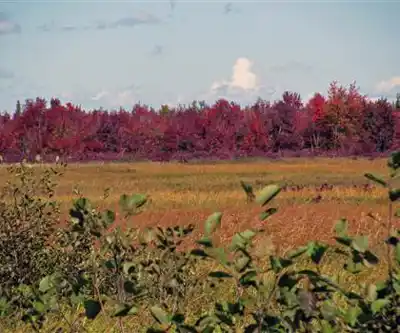
Photos: U. S. Fish and Wildlife Service - Northeast Region — Domaine public (Wikimedia Commons)
Trail description
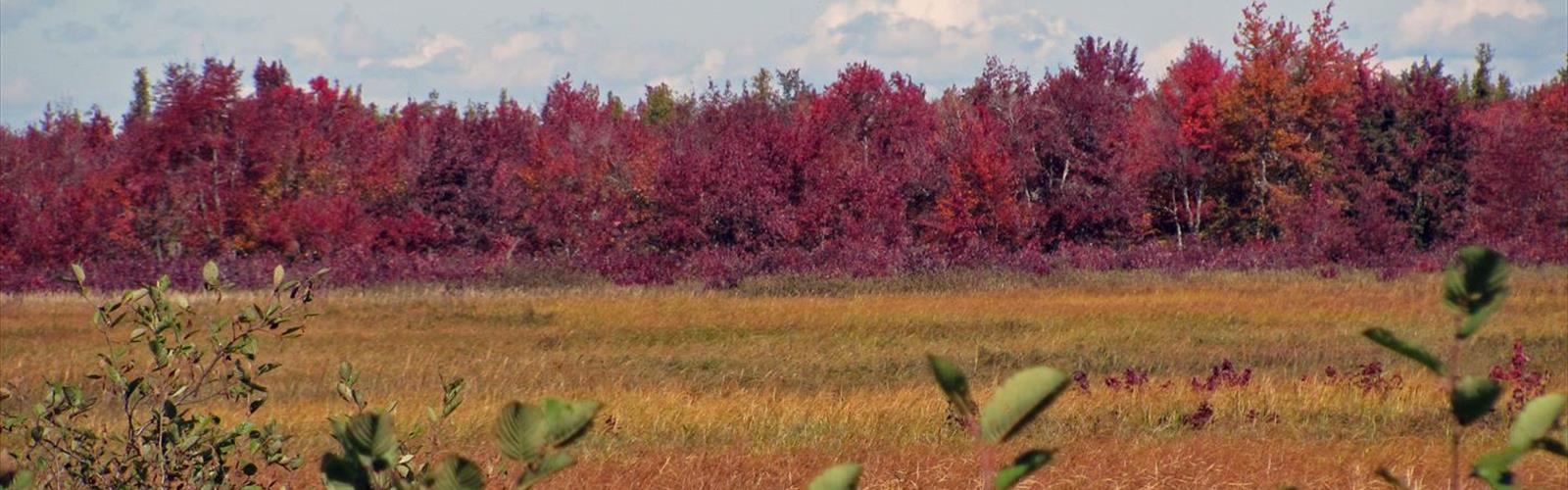
Sunkhaze Meadows National Wildlife Refuge is one of those places that rewards patience. Tucked away in central Maine, this federally protected refuge is built around one of the largest peatland ecosystems in the northeastern United States. It's not a destination for peak-baggers or people chasing dramatic elevation — it's a place for anyone who wants to slow down, watch wildlife, and walk through a landscape that feels genuinely wild and largely undisturbed.
What Kind of Place Is This?
The refuge centers on Sunkhaze Stream and its surrounding wetlands, bogs, and forested uplands. The dominant feature is the expansive peatland — a mossy, spongy terrain shaped over thousands of years by water, sphagnum moss, and slow organic accumulation. This isn't a manicured park. Trails here are natural and often wet underfoot, especially in spring and after rain. Waterproof footwear is a smart call no matter the season.
The landscape transitions between open bog, shrubby wetland edges, alder thickets, and mixed forest. That variety of habitat types is exactly what makes Sunkhaze Meadows such a productive spot for wildlife watching. You're moving through multiple ecosystems within a short distance, and each one attracts different species.
Wildlife and Natural Features
Sunkhaze Meadows is particularly well known among birders. The refuge sits along migratory corridors and provides critical nesting and stopover habitat for a wide range of species. Waterfowl are a major draw — wood ducks, black ducks, and various diving ducks use the wetlands throughout the year. Wading birds like great blue herons are a common sight along the stream edges.
The refuge also supports breeding populations of several species that depend on large, intact wetland systems. Woodcock are present and active in the early spring, and the bogs attract species like Lincoln's sparrow and palm warbler that are harder to find in more typical forest habitats. Raptors, including osprey and northern harrier, hunt over the open wetlands.
Beyond birds, the refuge provides habitat for white-tailed deer, beaver, river otter, and moose. Moose sightings are not uncommon here — the combination of wetland vegetation and forest edge is exactly the kind of habitat they favor. Early morning visits give you the best odds.
The Trail Experience
The trail network at Sunkhaze Meadows is modest in scale but well-suited to the terrain. Paths wind through the refuge and provide access to key viewing areas along Sunkhaze Stream and into the bog habitats. The going is generally flat, which reflects the nature of the landscape — this is lowland terrain, and the trails follow the contours of the wetland rather than climbing through it.
Because the trails pass through and alongside wetland areas, expect sections that are soft, muddy, or seasonally flooded. This is part of the experience rather than a flaw. Boardwalks or elevated sections may be present in the wettest areas, but you should come prepared for variable conditions underfoot. Trekking poles can be useful for stability on softer ground.
The pace here is naturally slow. There's a lot to stop and look at, and the open bog areas in particular invite you to stand still and listen. The soundscape — frogs, red-winged blackbirds, the wind moving through sedges — is a big part of what makes this place worth visiting.
Access and Practical Information
Sunkhaze Meadows National Wildlife Refuge is managed by the U.S. Fish and Wildlife Service. As a national wildlife refuge, the primary purpose of the land is wildlife conservation, and recreational use is structured around that mission. Hiking and wildlife observation are the main permitted activities.
The refuge is open to visitors during daylight hours. There is no entry fee. Parking is available at the refuge access points, and the trailheads are clearly marked. Because this is a wildlife refuge rather than a state or national park, facilities are minimal — don't expect restrooms, picnic shelters, or interpretive centers on site. Come self-sufficient.
Hunting is permitted in portions of the refuge during regulated seasons, which is standard practice on national wildlife refuge lands. If you're visiting during fall hunting seasons, wearing blaze orange is a reasonable precaution when you're off the main trails.
Best Times to Visit
Spring and early summer are peak season for birding, with migration activity and breeding season overlapping to produce the highest species diversity. The bogs are also at their most visually striking in late spring when bog laurel and other wetland shrubs are in bloom.
Fall brings waterfowl migration and the color change in the surrounding forest, which makes for good wildlife watching and pleasant walking conditions once the mud of early fall has firmed up. Winter access is possible but the refuge takes on a very different character — quieter, with fewer species visible, but with its own appeal for those who enjoy snowshoeing through open wetland landscapes.
Summer visits are productive but come with one significant caveat: biting insects. Mosquitoes and black flies can be intense in and around the wetlands, particularly in June and early July. Bug repellent and appropriate clothing are not optional during those weeks — they're essential.
Who This Trail Is For
Sunkhaze Meadows is a strong choice for birders, naturalists, and anyone who finds value in quiet, undeveloped wild spaces. It's accessible enough for most fitness levels given the flat terrain, but the wet and variable trail conditions mean it's not ideal for young children in regular footwear or anyone expecting a groomed path.
- Birders: One of the better wetland birding sites in the region, with strong diversity across seasons.
- Wildlife watchers: Moose, beaver, and otter are all realistic sightings with patience and an early start.
- Hikers seeking solitude: This refuge sees far less foot traffic than nearby state parks, which is a genuine draw for people who want space.
- Photographers: The open bog and stream habitats offer good light and interesting compositions, especially in morning hours.
Waterproof boots, insect repellent during warm months, and binoculars will make your visit significantly more comfortable and rewarding.
The Essential Hiking Checklist
Everything you need for your next hike. Bilingual, printable, 1 page.
Get your free hiking checklistRecommended gear for this trail
As an Amazon Associate I earn from qualifying purchases.


Ready to go?
Everything you need to know before you goWhen?
How much?
As an Amazon Associate I earn from qualifying purchases.
Affiliate links — LGPO may earn a commission at no extra cost to you.
- Hiking shoes Essential
- → Salomon Elixir Tour Mid WP · 203.38 $
- Layered clothing Essential
- Rain jacket Essential
- Trekking poles
- → Black Diamond Trail Ergo Cork · 69.99 $
- Headlamp
- → Petzl Actik Core 625 · 103.95 $
FAQ - Frequently asked questions
Everything you need to knowSimilar hikes nearby
Discover other trails you might enjoy
South Peak
Aroostook County
Allagash Mountain
Aroostook County
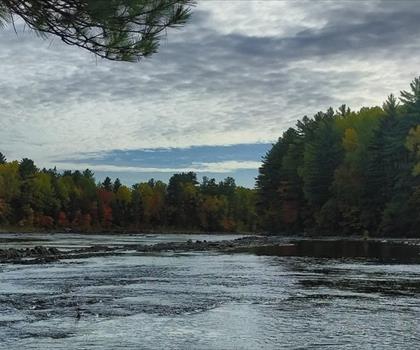
Penobscot River Trails
Aroostook County

Fish River
Aroostook County
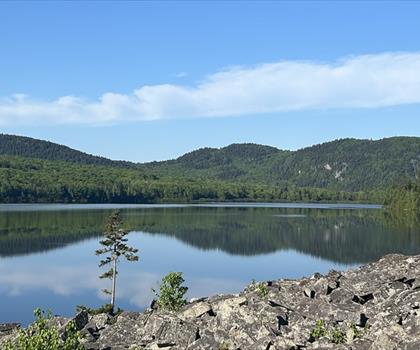
Deboullie Public Reserved Land
Aroostook County
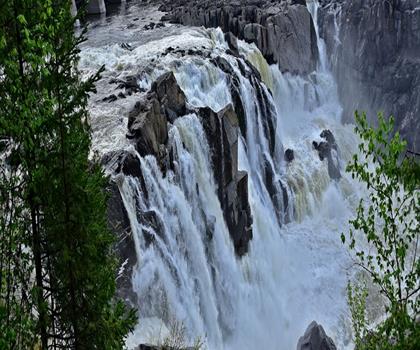
Grand Falls
Aroostook County
Hiking near Bangor
0 trails to explore ~24 km away
We work hard to provide the most up-to-date and error-free data possible. If something seems incorrect, let us know! Your contribution helps the whole community.
Hikers' opinions
Be the first to review!
No hiker has shared their experience yet. Share your impressions and help other hikers!