


Ready to explore Mass Audubon's Lake Wampanoag Wildlife Sanctuary? Here's everything you need to know before you go!
Discover the trail
Oh no! We don't have any photos 😢
This trail hasn't been captured yet. Be the first to share your adventure!Trail description
Mass Audubon's Lake Wampanoag Wildlife Sanctuary spreads across 400+ acres of diverse terrain in Gardner, Massachusetts, offering one of Central Massachusetts' most rewarding nature experiences. This sanctuary stands out for its remarkable habitat diversity—you'll move through dense mixed forests, cross open meadows dotted with wildflowers, and follow boardwalks through peaceful wetlands, all within a single visit.
The trail system here caters to different hiking preferences and abilities. Easy walking paths wind gently through the property, perfect for families or those seeking a leisurely nature walk. More challenging routes take you deeper into the sanctuary's backcountry, where the terrain becomes more varied and the wildlife encounters more frequent. The main loop trail covers 2.4 kilometers with just 30 meters of elevation gain, making it accessible to most hikers while still providing varied terrain. Plan on about an hour for the basic loop, though you could easily extend your visit to 2 or 3 hours if you're into serious wildlife watching or photography.
Trail Experience and Terrain
The well-maintained trail network guides you through distinctly different ecosystems, each offering its own character and challenges. In the forested sections, you'll walk on soft earth carpeted with fallen leaves, surrounded by towering maples, oaks, and pines. The canopy creates a natural cathedral effect, with dappled sunlight filtering through the branches. These wooded areas transition seamlessly into open meadows where the landscape opens up dramatically, offering long views and completely different plant communities.
The wetland areas are particularly special—elevated boardwalks and viewing platforms let you observe these sensitive habitats without disturbing them. You'll hear the gentle sounds of water moving through streams and marshes, creating a peaceful soundtrack for your hike. The boardwalks provide stable footing even when other parts of the trail might be muddy, and they're strategically positioned to offer the best wildlife viewing opportunities.
What makes this sanctuary unique in Central Massachusetts is how quickly the landscape changes as you walk. You might start in dense forest, emerge into a sun-drenched meadow within minutes, then find yourself on a boardwalk over wetlands shortly after. This constant variety keeps the hiking experience engaging and offers something new around every corner.
Wildlife and Birdwatching
Lake Wampanoag Wildlife Sanctuary has earned its reputation as a premier wildlife viewing destination in Central Massachusetts. The habitat diversity directly translates to incredible biodiversity. Birdwatchers consistently spot Eastern Bluebirds in the meadow areas and Red-tailed Hawks circling overhead, taking advantage of the thermals rising from the varied landscape.
The mammal population is equally impressive. White-tailed deer are common throughout the sanctuary, particularly in the early morning and late afternoon hours. More exciting for many visitors are the occasional moose sightings—these massive animals sometimes wander through the deeper forest sections, especially during the cooler months. The wetland areas attract their own specialized wildlife, from various waterfowl to the smaller creatures that depend on these aquatic habitats.
Bring binoculars if you have them. The combination of forest edge, open meadow, and wetland habitats creates ideal conditions for wildlife observation, and you'll want to get a closer look at the species you encounter. The viewing platforms are positioned at key spots where animal activity is most frequent, giving you the best chances for memorable sightings.
Lake Wampanoag and Water Features
Lake Wampanoag itself serves as the sanctuary's centerpiece, offering a tranquil focal point for your visit. The lake's edge provides several spots perfect for taking breaks, enjoying a packed lunch, or simply sitting quietly to observe the water and its inhabitants. These lakeside areas are particularly peaceful, with the water's surface reflecting the surrounding forest and sky.
The lake supports its own ecosystem of waterfowl and aquatic life, and the shoreline areas offer different hiking experiences than the inland trails. You'll find natural resting spots along the water where you can pause to listen to the sounds of the lake, watch for wildlife movement, or simply enjoy the peaceful atmosphere that makes this sanctuary special.
The water features extend beyond the main lake, with streams and smaller wetland areas connected throughout the property. These create corridors for wildlife movement and add the pleasant sound of flowing water to many sections of the trail system.
Photography and Seasonal Appeal
The sanctuary's diverse landscapes make it a photographer's paradise throughout the year. The wetland boardwalks provide stable platforms for capturing both wildlife and landscape shots, while the meadow areas offer opportunities for wide-angle compositions that showcase the property's scope and beauty. The forest sections create intimate scenes with interesting light patterns and natural framing opportunities.
Each season brings its own photographic opportunities. The varied habitats mean you'll find compelling subjects whether you're interested in macro photography of wildflowers and insects, landscape shots of the lake and surrounding terrain, or wildlife photography in the diverse ecosystems. The changing light throughout the day also transforms the same locations, giving you multiple opportunities to capture different moods and atmospheres.
Practical Hiking Information
The sanctuary's location in Gardner puts it within easy reach of the greater Central Massachusetts area while maintaining a sense of remoteness once you're on the trails. The trail system is well-marked and maintained, making navigation straightforward even for first-time visitors. The easy difficulty rating makes this an excellent choice for families or anyone looking to experience diverse habitats without technical hiking challenges.
Come prepared for varied terrain and potentially muddy conditions, especially in the wetland areas and after recent rain. The boardwalks and viewing platforms are well-constructed, but the natural trails can be soft in places. Waterproof hiking boots are recommended, especially during wetter seasons. A camera is almost essential given the photographic opportunities, and binoculars will significantly enhance your wildlife viewing experience.
The sanctuary rewards visitors who take their time and remain alert to their surroundings. The combination of accessible trails, diverse habitats, and abundant wildlife creates an outdoor experience that feels much more remote and wild than its Central Massachusetts location might suggest.
The Essential Hiking Checklist
Everything you need for your next hike. Bilingual, printable, 1 page.
Get your free hiking checklistRecommended gear for this trail
As an Amazon Associate I earn from qualifying purchases.


Ready to go?
Everything you need to know before you goStarting Point
The trails at the mass audubon's lake wampanoag wildlife sanctuary can be accessed from the sanctuary's main entrance on Route 105 in Lakeville, Massachusetts.
When?
How much?
As an Amazon Associate I earn from qualifying purchases.
Affiliate links — LGPO may earn a commission at no extra cost to you.
- Hiking shoes Essential
- → Salomon Elixir Tour Mid WP · 203.38 $
- Layered clothing Essential
- Rain jacket Essential
- Trekking poles
- → Black Diamond Trail Ergo Cork · 69.99 $
- Headlamp
- → Petzl Actik Core 625 · 103.95 $
FAQ - Frequently asked questions
Everything you need to knowSimilar hikes nearby
Discover other trails you might enjoy

Crow Hill North Parking Area
Central Massachusetts
Tully Lake
Central Massachusetts
Blackstone River and Canal Heritage State Park
Central Massachusetts
nashua river rail trail
Central Massachusetts
Quabbin Reservoir
Central Massachusetts
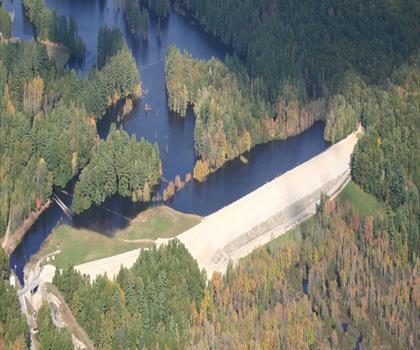
West Hill Dam
Central Massachusetts
Hiking near Worcester
0 trails to explore ~41 km away
We work hard to provide the most up-to-date and error-free data possible. If something seems incorrect, let us know! Your contribution helps the whole community.
Hikers' opinions
Be the first to review!
No hiker has shared their experience yet. Share your impressions and help other hikers!