
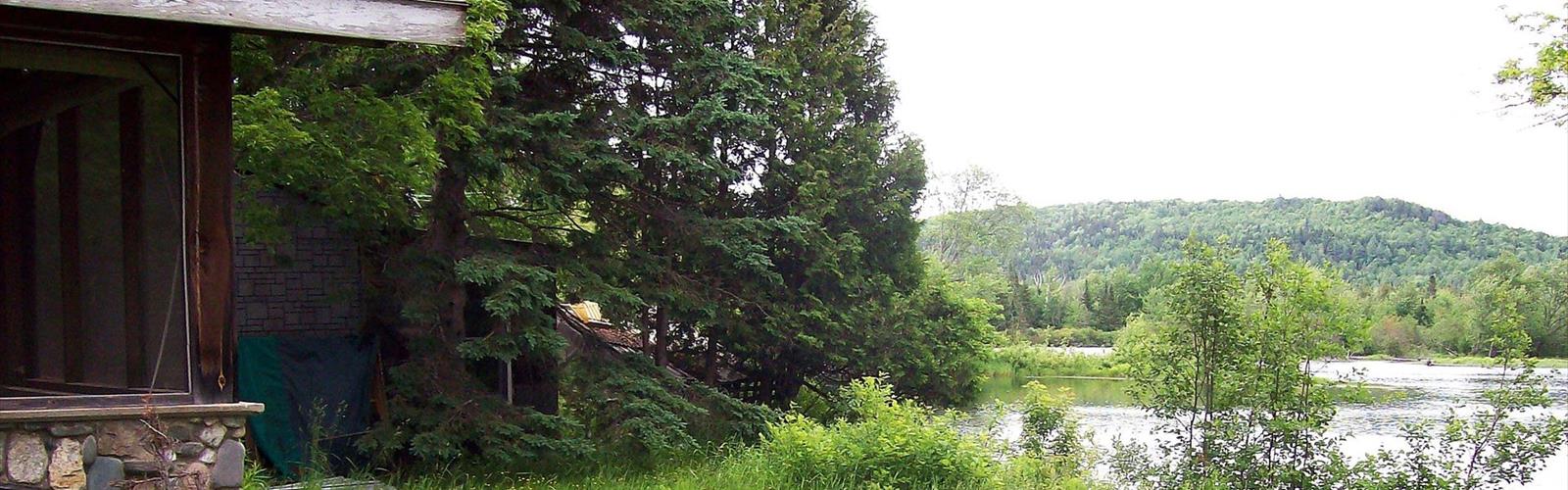

Ready to explore Lake Umbagog? Here's everything you need to know before you go!
Discover the trail
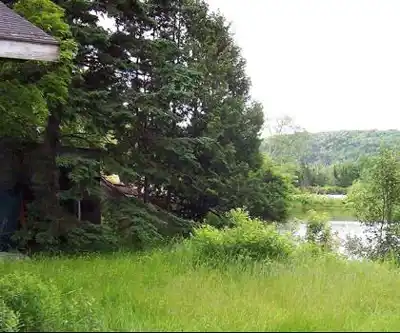
Photos: US Fish and Wildlife Service - Recovery Act Team — Domaine public (Wikimedia Commons)
Trail description
Lake Umbagog sits right on the border between New Hampshire and Maine, and it's one of those places that feels genuinely wild the moment you arrive. The lake itself is large and shallow, dotted with islands and fringed by wetlands that stretch in every direction. It's not a destination built around a single trail with a summit payoff — it's a place you come to slow down, paddle, watch wildlife, and explore a landscape that hasn't changed much in a very long time.
What Kind of Place Is This?
Lake Umbagog is a natural lake and wildlife refuge, not a traditional hiking destination with a network of marked trails leading to viewpoints. The experience here is defined by water and wetland. The shoreline is largely undeveloped, and the surrounding area is managed as part of the Lake Umbagog National Wildlife Refuge, which protects critical habitat for a wide range of species. If you're coming expecting a classic New Hampshire mountain hike, this isn't that — but if you're looking for something quieter and more immersive, it absolutely delivers.
The lake draws people who want to canoe or kayak through open water and marshy channels, camp on remote islands, fish, or simply sit and watch what moves through. Birders in particular make long trips specifically to visit Umbagog, and for good reason.
Wildlife and Natural Environment
The wetlands around Lake Umbagog are among the most productive wildlife habitats in the region. The lake and its surrounding marshes support nesting loons, ospreys, and bald eagles — species that need large, undisturbed water bodies to breed successfully. Seeing a loon up close while paddling across the lake is a real possibility here, not just a lucky break.
The refuge also provides habitat for moose, which are frequently spotted along the marshy edges of the lake, especially in early morning and evening. River otters, great blue herons, and a variety of waterfowl are regular sights throughout the warmer months. The combination of open water, emergent marsh, and surrounding boreal forest creates a layered ecosystem that supports an unusually high density of wildlife for the region.
Getting Around the Lake
Because the lake is large and the terrain around it is mostly wetland and forest, non-motorized watercraft is the primary way to explore. Canoes and kayaks let you access areas that are simply unreachable on foot, including the islands where some of the most interesting wildlife activity happens. There are boat launches that provide access to the lake, and paddling routes can be planned to cover different sections depending on your time and interest.
For those who prefer to stay on land, there are some trails and access points within and around the refuge, though the hiking infrastructure here is more limited compared to other destinations in the Dartmouth-Lake Sunapee region. The focus is on the water and the wetland edge, not on ridge walks or summit routes.
Camping
One of the more distinctive features of Lake Umbagog is the opportunity to camp on islands in the lake. This kind of remote island camping is relatively rare in New Hampshire and gives the experience a backcountry feel even though you're not deep in the mountains. Reaching these sites by canoe or kayak and spending a night surrounded by open water and forest is a genuinely different kind of outdoor experience. There is also a campground in the area that provides a more accessible base for exploring the lake over multiple days.
Fishing
Lake Umbagog has a solid reputation among anglers. The lake supports populations of lake trout, smallmouth bass, and other species, and the relatively undeveloped shoreline means fishing pressure stays lower than on more accessible lakes in the region. Whether you're fishing from a canoe or a small motorized boat, the lake offers a lot of water to cover and a quiet setting to do it in.
Seasons and Timing
Summer is the most popular time to visit, when paddling, camping, and wildlife watching are all at their best. The loons and ospreys are actively nesting and visible, moose are frequently seen along the shoreline, and the weather allows for extended time on the water. Early morning paddles are particularly rewarding for wildlife sightings before the wind picks up.
Fall brings a shift in atmosphere — the crowds thin out, the foliage around the lake turns, and the light on the water changes. It's a quieter time to visit and still very worthwhile for paddling and fishing. Spring can be excellent for birding as migratory species move through, though water levels and weather can be unpredictable.
Winter access is limited, and the lake freezes over. The surrounding area sees snowmobile use in winter, but the lake itself is not a primary destination for most winter outdoor activities.
Practical Information
- Access: The lake is accessible from New Hampshire, with boat launches providing entry points for paddlers and anglers.
- Watercraft: Canoes, kayaks, and small motorized boats are all used on the lake. Non-motorized craft are particularly well-suited to the marshy channels and island areas.
- Wildlife Refuge: Much of the surrounding land is managed as the Lake Umbagog National Wildlife Refuge. Visitors should respect refuge regulations, which are designed to protect nesting and sensitive habitat areas.
- Camping: Island campsites are accessible by water; a campground in the area provides land-based options. Reservations are recommended during peak summer season.
- Dogs: Check current refuge regulations regarding pets, as restrictions may apply in certain areas to protect nesting wildlife.
- Best for: Paddlers, anglers, birders, wildlife watchers, and anyone looking for a remote lake experience without a long backcountry approach.
What Makes Umbagog Different
In a region known for its mountains and summit hikes, Lake Umbagog stands apart as a destination built entirely around water and wildlife. The scale of the lake, the quality of the habitat, and the relative lack of development give it a character that's hard to find this close to populated areas of New Hampshire. It rewards patience and a slower pace — the kind of place where the best moments happen when you stop paddling and just watch what's happening around you.
The Essential Hiking Checklist
Everything you need for your next hike. Bilingual, printable, 1 page.
Get your free hiking checklistRecommended gear for this trail
As an Amazon Associate I earn from qualifying purchases.


Ready to go?
Everything you need to know before you goWhen?
How much?
As an Amazon Associate I earn from qualifying purchases.
Affiliate links — LGPO may earn a commission at no extra cost to you.
- Hiking shoes Essential
- → Salomon Elixir Tour Mid WP · 203.38 $
- Layered clothing Essential
- Rain jacket Essential
- Trekking poles
- → Black Diamond Trail Ergo Cork · 69.99 $
- Headlamp
- → Petzl Actik Core 625 · 103.95 $
FAQ - Frequently asked questions
Everything you need to knowSimilar hikes nearby
Discover other trails you might enjoy
Lake Francis
Great North Woods
Alpine Cascades
Great North Woods
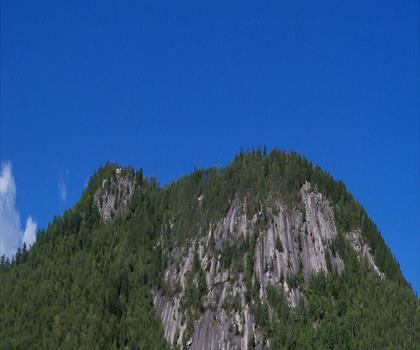
Jericho Mountain State Park
Great North Woods
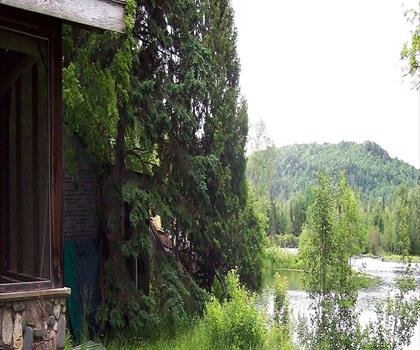
Umbagog Lake State Park
Great North Woods

Milan Hill State Park
Great North Woods
Mt Cabot
Great North Woods
Hiking near North Conway
0 trails to explore ~78 km away
We work hard to provide the most up-to-date and error-free data possible. If something seems incorrect, let us know! Your contribution helps the whole community.
Hikers' opinions
Be the first to review!
No hiker has shared their experience yet. Share your impressions and help other hikers!