

Ready to explore Beaver Brook Falls? Here's everything you need to know before you go!
Discover the trail
Trail description
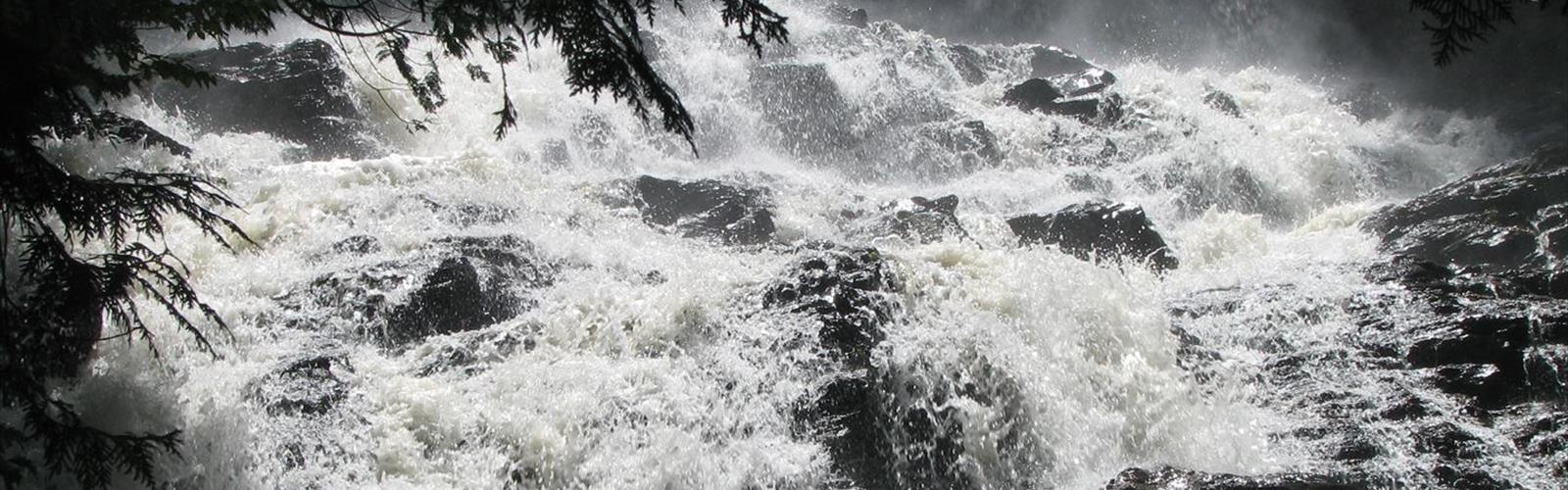
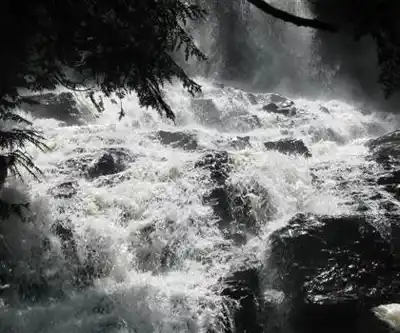
Beaver Brook Falls is one of those places that earns its reputation without trying too hard. The waterfall itself — a series of cascading drops over granite ledges — is genuinely impressive, and the trail to reach it is short enough that almost anyone can make it. At 1.6 km with only 91 meters of elevation gain, this is a hike that delivers a real payoff for a modest investment of effort. Budget around 45 minutes for the round trip, though most people end up lingering longer once they reach the falls.
The Trail
The hike starts on an old logging road, which means the first stretch is wide, flat, and easy to follow — no navigation stress, no scrambling. The terrain gradually shifts as you move deeper into the forest, narrowing into a proper footpath as you get closer to the water. The transition feels natural rather than abrupt, and it gives the hike a sense of progression that keeps things interesting even on a short route.
The final approach to the falls involves some rocky sections and root-covered ground, with a bit of light scrambling over granite slabs near the viewpoint. Nothing technical, but you'll want to watch your footing, especially if the rocks are wet from mist or recent rain. There are multiple spots to take in the falls — the eastern viewpoint tends to offer the best angle for photography, particularly in the morning when the light hits the water directly.
Several small stream crossings break up the walk, handled via wooden bridges and stone crossings. They add a bit of variety to what could otherwise be a straightforward out-and-back.
The Falls Themselves
Beaver Brook drops over a series of granite ledges in a way that creates both visual drama and a genuinely satisfying sound. The cascades form natural pools below, and the mist from the falling water is noticeable even from a distance during higher flow periods. Spring snowmelt and summer storms push the volume up considerably — during those windows, the falls feel significantly more powerful and the atmosphere around them shifts noticeably.
The rock formations around the falls are worth a closer look. You can spot quartz veining running through the granite, and the weathering patterns in the stone tell a clear story of glacial history. The pools below the falls stay surprisingly clear, though swimming isn't recommended — the water runs cold and currents can be unpredictable when flow is high.
Forest and Wildlife
The canopy along Beaver Brook is a mix of hardwoods and conifers that provides solid shade for most of the hike. In spring and early summer, wildflowers push up through the understory. Fall is when the area really stands out — the foliage frames the waterfall in a way that makes it one of the better photography destinations in the Monadnock Region during leaf season, though fallen leaves on wet rock do require extra attention underfoot.
White-tailed deer show up regularly, especially in the early morning and at dusk. Songbirds are active throughout the forest. The brook's slower sections sometimes show evidence of beaver activity — dams, gnawed wood, altered water flow — though how much you'll see depends on the season and current beaver populations in the watershed.
Seasonal Notes
Each season brings a different version of this hike. Spring offers peak water flow and fresh vegetation, but expect muddy trail conditions and stream crossings that may require some care. Summer is the most popular window — stable weather, full foliage, and comfortable temperatures make it the go-to season for families.
Fall delivers the most visually striking experience, with foliage color reflecting in the pools and contrasting against the white water. Just be aware that wet leaves on rocky terrain increase slip risk. Winter access depends on snow conditions and trail maintenance; when the trail is passable, the ice formations that build up around the falls are genuinely dramatic, but proper winter footwear becomes essential rather than optional.
Parking and Access
The trailhead has a gravel parking area that fits roughly fifteen vehicles. On weekend mornings during peak season, that fills up fast — arriving before 9 AM on Saturdays and Sundays makes a real difference. The access road is fine for standard passenger vehicles under normal conditions, though spring thaw can bring potholes. No four-wheel drive or high clearance needed.
Families and Dogs
This trail works well for families with kids who have some hiking experience. The distance and elevation are manageable, and the waterfall gives younger hikers a clear goal to work toward. The rocky sections near the falls do require closer supervision — it's not a place to let small children wander unsupervised near the water's edge.
Dogs are welcome but must stay leashed throughout. The stream crossings and rocky terrain near the falls can be tricky for smaller dogs, and some may need a hand getting through the more uneven sections. Bring water for your dog — the brook may look clean, but it can carry organisms that cause digestive problems.
What to Bring
This is a short hike, but a few things make a meaningful difference:
- Footwear: Hiking boots or trail shoes with solid grip outperform running shoes here, especially on wet granite near the falls.
- Water and snacks: The hike is short, but it's worth having both on hand.
- Basic first aid: Standard kit for a day hike covers what you need.
- Bug repellent: Useful during warmer months, particularly near standing water.
- Camera protection: If you're shooting from the closer viewpoints, mist from the falls can reach your gear.
Trail conditions can shift quickly after storms, so a quick check of recent weather before you head out is always worth the two minutes it takes.
The Essential Hiking Checklist
Everything you need for your next hike. Bilingual, printable, 1 page.
Get your free hiking checklistRecommended gear for this trail
As an Amazon Associate I earn from qualifying purchases.


Ready to go?
Everything you need to know before you goStarting Point
The beaver brook falls trails are located in the town of Hollis, New Hampshire. To get to the start of the trails, take exit 3 off of Route 101 and head east on Route 122. The trailhead will be on your left after about 1.5 miles.
When?
How much?
As an Amazon Associate I earn from qualifying purchases.
Affiliate links — LGPO may earn a commission at no extra cost to you.
- Hiking shoes Essential
- → Salomon Elixir Tour Mid WP · 203.38 $
- Layered clothing Essential
- Rain jacket Essential
- Trekking poles
- → Black Diamond Trail Ergo Cork · 69.99 $
- Headlamp
- → Petzl Actik Core 625 · 103.95 $
FAQ - Frequently asked questions
Everything you need to knowSimilar hikes nearby
Discover other trails you might enjoy
Gap Mountain
Monadnock Region
Wapack National Wildlife Refuge
Monadnock Region
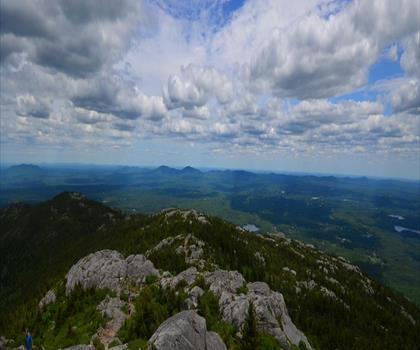
Monadnock State Park
Monadnock Region
Pack Monadnock
Monadnock Region
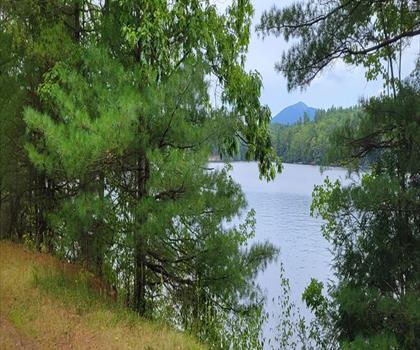
Gap Mountain Trail South
Monadnock Region

Pitcher Mountain Trailhead
Monadnock Region
Hiking near Concord
0 trails to explore ~65 km away
We work hard to provide the most up-to-date and error-free data possible. If something seems incorrect, let us know! Your contribution helps the whole community.
Hikers' opinions
Be the first to review!
No hiker has shared their experience yet. Share your impressions and help other hikers!