
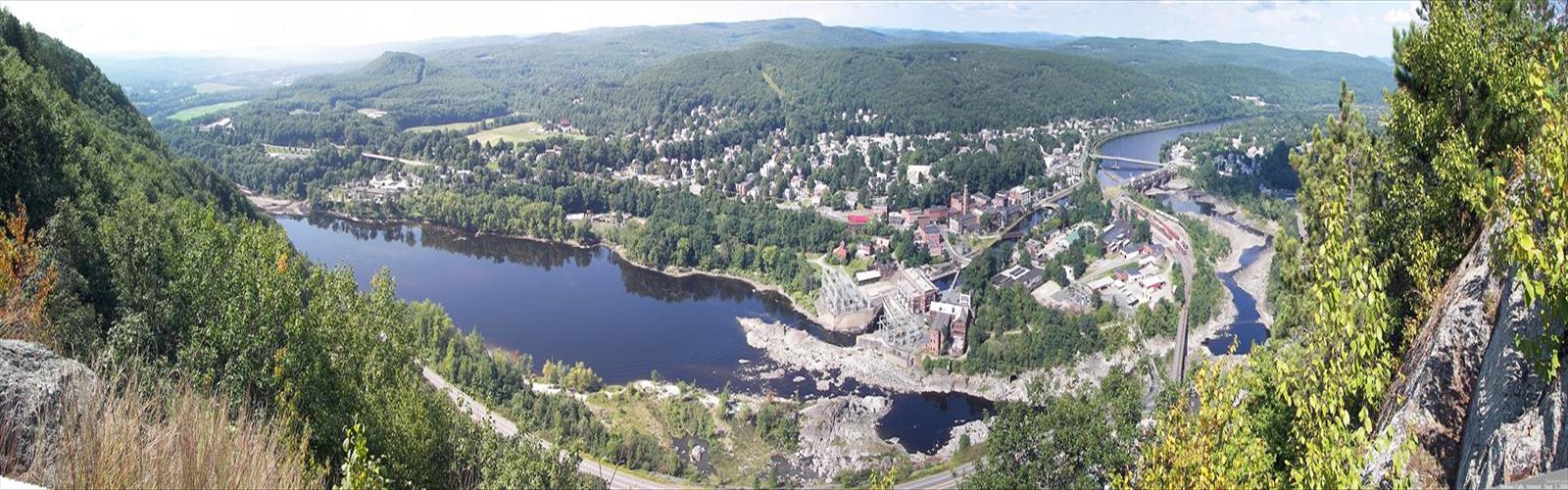

Ready to explore Fall Mountain? Here's everything you need to know before you go!
Discover the trail

Trail description
Fall Mountain rises from the rolling hills of New Hampshire's Monadnock Region, offering hikers a rewarding 3.2-kilometer journey through diverse terrain to panoramic views that showcase the area's natural beauty. This accessible peak attracts outdoor enthusiasts year-round, but truly shines during autumn when the surrounding forests explode in brilliant reds, oranges, and golds that give the mountain its name.
The mountain's well-maintained trail system winds through multiple ecosystems, starting in mixed hardwood forests at the base before transitioning to rockier terrain as you gain elevation. The 281-meter ascent unfolds gradually over the moderate route, making it an excellent choice for hikers looking to build endurance without tackling the region's more demanding peaks. Most hikers complete the round trip in about 1 hour and 30 minutes, though this timing allows for a comfortable pace with opportunities to appreciate the natural features along the way.
Trail Experience and Terrain
The main trail to Fall Mountain's summit is clearly marked and regularly maintained, reducing navigation concerns and allowing hikers to focus on the natural surroundings. The path begins through dense forest where towering maples, oaks, and birches create a natural canopy overhead. During spring and summer, this section remains cool and shaded, while fall transforms it into a tunnel of vibrant foliage that draws photographers and leaf-peepers from across the region.
As you progress upward, the trail crosses several serene streams that provide natural rest stops and opportunities to refill water bottles. These waterways are particularly active during spring snowmelt and after heavy rains, adding a pleasant soundtrack to your hike. The forest floor along these sections is rich with ferns and wildflowers, creating photo opportunities for nature enthusiasts who take time to explore the understory.
The middle section features a series of gentle switchbacks that help manage the steepest portions of the climb. Here, the forest begins to thin, and rocky outcrops become more frequent. These natural stone platforms serve as excellent spots for breaks and offer the first glimpses of the views awaiting at the summit. The granite formations showcase the region's geological history, with interesting patterns and textures that tell the story of ancient glacial activity.
The final approach to the summit transitions to more exposed terrain with scattered boulders and hardy shrubs adapted to the windier conditions. This section provides a real sense of accomplishment as the treeline falls away and the full scope of the surrounding landscape becomes visible. The footing remains solid, though hikers should watch for loose rocks, especially during wet conditions.
Wildlife and Natural Features
Fall Mountain's diverse habitats support a variety of wildlife that adds excitement to any hike. White-tailed deer are commonly spotted, particularly during early morning and late afternoon hours when they venture closer to the trail to feed. Their presence is often announced by the sound of rustling leaves or the flash of white tails disappearing into the underbrush.
The mountain's bird population provides constant entertainment throughout the hike. Woodpeckers drum against dead trees, nuthatches call from the canopy, and various songbirds create a natural soundtrack that changes with the seasons. During migration periods, the summit offers excellent vantage points for observing raptors riding thermal currents above the valley.
The rocky outcrops scattered throughout the trail create microclimates that support unique plant communities. Hardy mountain flowers find footholds in cracks between stones, while specialized mosses and lichens paint the granite surfaces in subtle greens and grays. These features not only add visual interest but also demonstrate how life adapts to challenging mountain conditions.
Summit Views and Rewards
The summit of Fall Mountain delivers panoramic views that extend across the Monadnock Region's characteristic landscape of rolling hills, pristine lakes, and patchwork forests. On clear days, hikers can identify several prominent peaks in the distance, while the immediate foreground reveals the intricate pattern of rural countryside with its mix of forests, farmland, and small communities.
The summit area provides ample space for groups to spread out and enjoy lunch while taking in the scenery. The relatively open terrain allows for 360-degree views, making it an ideal location for photography enthusiasts looking to capture the region's natural beauty from an elevated perspective. The moderate elevation gain means you've earned these views without an exhausting climb, leaving energy to fully appreciate the accomplishment.
Planning Your Visit
Weather conditions can change quickly in the mountains, so checking the forecast before departure is essential. Even on warm days, the summit can be significantly cooler and windier than the trailhead, making layers a smart choice. Sturdy hiking boots provide the best traction on the varied terrain, particularly during wet conditions when rocks and roots can become slippery.
Carrying plenty of water is crucial, especially during summer months when the exposed sections of trail offer little shade. While the streams along the route are appealing, treating or filtering water from natural sources is recommended. Pack enough snacks or lunch to fuel your adventure, and consider bringing extra food to fully enjoy the summit experience.
The mountain offers excellent hiking opportunities throughout the year, though each season brings distinct advantages. Spring features rushing streams and emerging wildflowers, summer provides lush green forests and warm weather, fall delivers the spectacular foliage that gives the mountain its name, and winter transforms the landscape into a peaceful snow-covered wonderland for those equipped with appropriate gear.
Several accommodation options in the surrounding area cater to visitors planning extended stays in the region. These options make Fall Mountain an excellent centerpiece for longer outdoor adventures, allowing hikers to explore multiple trails while using the area as a comfortable base for their mountain explorations.
The Essential Hiking Checklist
Everything you need for your next hike. Bilingual, printable, 1 page.
Get your free hiking checklistRecommended gear for this trail
As an Amazon Associate I earn from qualifying purchases.


Ready to go?
Everything you need to know before you goStarting Point
The fall mountain trails are located in Walpole, New Hampshire. To get to the start of the trails, take Route 12 east from Keene and turn left onto Route 123. The trailhead is located on the right side of the road.
When?
How much?
As an Amazon Associate I earn from qualifying purchases.
Affiliate links — LGPO may earn a commission at no extra cost to you.
- Hiking shoes Essential
- → Salomon Elixir Tour Mid WP · 203.38 $
- Layered clothing Essential
- Rain jacket Essential
- Trekking poles
- → Black Diamond Trail Ergo Cork · 69.99 $
- Headlamp
- → Petzl Actik Core 625 · 103.95 $
FAQ - Frequently asked questions
Everything you need to knowSimilar hikes nearby
Discover other trails you might enjoy
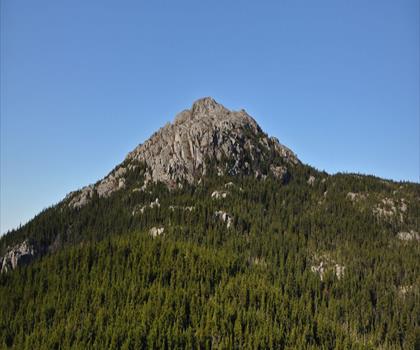
Gap Mountain
Monadnock Region

Wapack National Wildlife Refuge
Monadnock Region
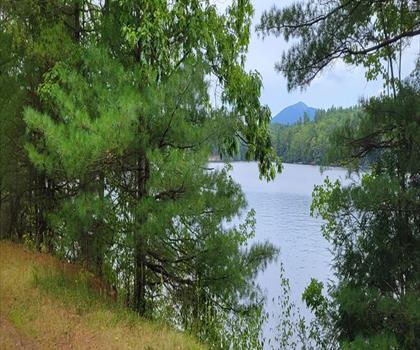
Gap Mountain Trail South
Monadnock Region

Pitcher Mountain Trailhead
Monadnock Region
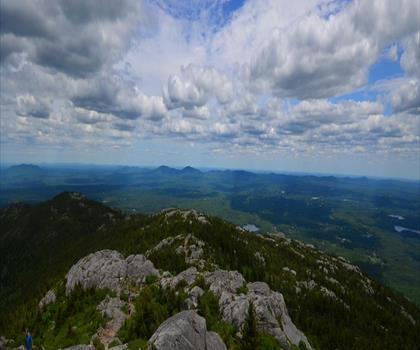
Monadnock State Park
Monadnock Region

Pack Monadnock
Monadnock Region
Hiking near Concord
0 trails to explore ~73 km away
We work hard to provide the most up-to-date and error-free data possible. If something seems incorrect, let us know! Your contribution helps the whole community.
Hikers' opinions
Be the first to review!
No hiker has shared their experience yet. Share your impressions and help other hikers!