
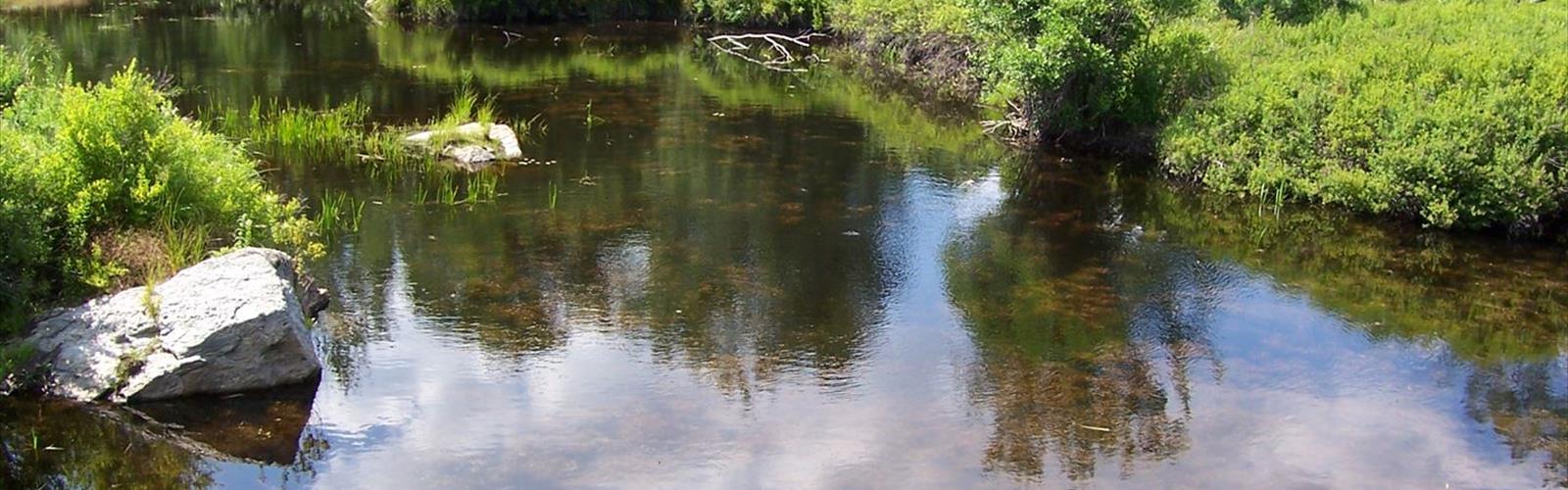

Ready to explore Garwin Falls Trail? Here's everything you need to know before you go!
Discover the trail
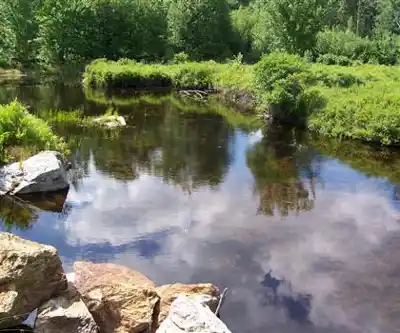
Trail description
The Garwin Falls Trail in Wilton, New Hampshire, delivers exactly what many hikers seek but rarely find: a genuine waterfall payoff without the crowds or grueling effort. This short woodland hike in the Monadnock Region cuts straight through mixed forest to a multi-tiered cascade that actually lives up to the hype, especially when water levels are running high after recent rainfall.
What sets this trail apart from other New Hampshire waterfall hikes is its accessibility combined with legitimate scenic reward. At just 1.6 kilometers with only 30 meters of elevation gain, you can complete this hike in about 30 minutes, but you'll want to linger at the falls. The path winds through typical southern New Hampshire forest—a mix of hardwoods and conifers that creates a pleasant canopy overhead while allowing enough light to support diverse understory growth.
The Waterfall Experience
Garwin Falls itself justifies the trip. The waterfall tumbles down in multiple tiers over granite ledges, creating a series of pools and cascades that change character depending on recent weather. After a good rain, the falls roar with impressive volume and throw off a cooling mist that feels refreshing on warm days. During drier periods, the flow becomes more delicate but reveals interesting rock formations and allows for closer inspection of the geological features.
The falls create their own microclimate—noticeably cooler and more humid than the surrounding forest. This makes the destination particularly appealing during summer months when the temperature difference becomes pronounced. The sound of water cascading over rocks provides a natural soundtrack that masks any distant road noise, creating an immersive natural environment that feels far removed from civilization despite the short hiking distance.
Trail Character and Terrain
The path follows what appears to be an old woods road for portions of the route, then narrows to single track as it approaches the falls. This gentle approach makes the trail ideal for families with children or anyone looking to ease into hiking without technical challenges. Footing remains generally good throughout, though expect some roots, rocks, and potentially muddy sections, particularly in spring or after wet weather.
The trail maintains an easy grade with the modest elevation gain spread evenly over the route, making it manageable for most fitness levels. You'll notice the forest composition changing subtly as you progress toward the water source. The canopy opens up near the falls, allowing more light to reach the forest floor and supporting different plant communities. Moss-covered rocks become more prevalent, and the air takes on the fresh, humid quality typical of waterfall environments.
Wildlife and Natural Features
The diverse habitat along the trail supports typical New Hampshire woodland wildlife. Deer sightings are common, particularly in early morning or late afternoon when they come to drink from the stream. The mixed forest attracts various bird species—expect to hear woodpeckers, chickadees, and other songbirds throughout your hike. The cheerful chirping overhead often provides a pleasant accompaniment to your walk through the peaceful woodland setting.
The lush greenery includes both common New England forest plants and some species that thrive in the moister conditions near the waterfall. Ferns become more abundant as you approach the falls, creating carpet-like displays along the trail edges. Moss growth on rocks and trees creates an almost fairy-tale atmosphere in certain sections, particularly where filtered sunlight creates dappled patterns on the forest floor.
Photography and Viewing Opportunities
Several natural vantage points along the trail offer opportunities to pause and take in the surroundings. The falls themselves provide excellent photography subjects, with the multi-tiered structure offering various composition options. The contrast between flowing water and dark granite creates striking visual appeal, particularly when captured with longer exposures that smooth the water movement into silky cascades.
Different seasons bring distinct photographic opportunities. Spring offers the highest water flow and emerging green foliage that frames the falls beautifully. Summer provides lush forest scenes and comfortable shooting conditions, with the added bonus of wildflowers blooming along the trail edges. Fall transforms the surrounding forest into a colorful backdrop for the falls, while winter can create dramatic ice formations, though trail conditions become more challenging and require appropriate footwear.
Planning Your Visit
While the estimated hiking time is 30 minutes, most visitors spend closer to an hour exploring the area, including time to enjoy the falls and take photos. The peaceful setting naturally encourages longer stops than you might initially plan, and the sound of cascading water creates a meditative atmosphere perfect for relaxation.
Sturdy footwear is essential, even on this relatively easy trail. The combination of roots, rocks, and potentially wet conditions near the falls makes good traction important for safety and comfort. Standard hiking boots or trail shoes work well for most conditions, though you might encounter slippery rocks near the water's edge.
The trail's family-friendly nature makes it an excellent choice for introducing children to hiking or for multi-generational outings. The relatively short distance prevents fatigue from becoming an issue, while the waterfall destination provides a clear, exciting goal that maintains interest throughout the hike. Kids particularly enjoy exploring the different tiers of the falls and watching the water flow over the granite ledges.
Seasonal Considerations
Spring offers peak water flow but potentially muddy trail conditions as snowmelt and spring rains saturate the ground. Summer provides the most comfortable hiking weather, and the cooling effect of the falls becomes most appreciated during hot afternoons. Fall brings spectacular foliage but also increased leaf litter that can hide trail obstacles, so watch your footing more carefully during autumn visits.
Winter hiking is possible but requires appropriate gear and extra caution around potentially icy areas near the waterfall. The falls can create beautiful ice formations, but the combination of water spray and freezing temperatures makes surfaces treacherous. Recent rainfall significantly enhances the waterfall experience regardless of season, so checking recent weather patterns before your visit can help set appropriate expectations for both water flow and trail conditions.
The Essential Hiking Checklist
Everything you need for your next hike. Bilingual, printable, 1 page.
Get your free hiking checklistRecommended gear for this trail
As an Amazon Associate I earn from qualifying purchases.


Ready to go?
Everything you need to know before you goStarting Point
The garwin falls trail is located in the town of Rumney, New Hampshire. To get to the trailhead, take Route 25 west from Plymouth, NH. The trailhead is located on the left side of the road just past the bridge over the Pemigewasset River.
When?
How much?
As an Amazon Associate I earn from qualifying purchases.
Affiliate links — LGPO may earn a commission at no extra cost to you.
- Hiking shoes Essential
- → Salomon Elixir Tour Mid WP · 203.38 $
- Layered clothing Essential
- Rain jacket Essential
- Trekking poles
- → Black Diamond Trail Ergo Cork · 69.99 $
- Headlamp
- → Petzl Actik Core 625 · 103.95 $
FAQ - Frequently asked questions
Everything you need to knowSimilar hikes nearby
Discover other trails you might enjoy
Gap Mountain
Monadnock Region

Wapack National Wildlife Refuge
Monadnock Region
Gap Mountain Trail South
Monadnock Region

Pitcher Mountain Trailhead
Monadnock Region
Monadnock State Park
Monadnock Region

Pack Monadnock
Monadnock Region
Hiking near Manchester
0 trails to explore ~31 km away
We work hard to provide the most up-to-date and error-free data possible. If something seems incorrect, let us know! Your contribution helps the whole community.
Hikers' opinions
Be the first to review!
No hiker has shared their experience yet. Share your impressions and help other hikers!