


Ready to explore Alpine Cascades? Here's everything you need to know before you go!
Discover the trail
Oh no! We don't have any photos 😢
This trail hasn't been captured yet. Be the first to share your adventure!Trail description
Description
The Alpine Cascades trail in New Hampshire's White Mountains delivers a spectacular showcase of cascading waterfalls tumbling down granite ledges through dense forest. This 4.8-kilometer moderate hike with 300 meters of elevation gain offers multiple route options that highlight some of the most photogenic water features in the region, making it an essential destination for hikers seeking both natural beauty and accessible adventure.
The cascades themselves create the trail's main attraction, with crystal-clear water flowing over smooth rock faces carved by centuries of erosion. The constant sound of rushing water provides a natural soundtrack that accompanies you throughout the 2.5-hour journey, drowning out any remnants of civilization. After heavy rainfall, these waterfalls transform into powerful torrents that send cooling mist into the surrounding forest, creating an almost mystical atmosphere that's particularly striking during early morning visits.
Trail Experience and Terrain
The trail network around Alpine Cascades accommodates different skill levels while maintaining its moderate rating throughout. The terrain varies considerably as you progress, starting with well-maintained dirt paths that gradually transition to rockier sections as you approach the main cascade viewpoints. This variety keeps the hiking experience engaging without becoming overly technical.
Expect to encounter root-crossed trails, occasional muddy patches especially in spring and after rain, and some steep sections where the path climbs alongside the cascading water. The 300 meters of elevation gain spreads evenly throughout the hike rather than concentrating in one brutal climb, making the ascent manageable for most hikers with basic fitness levels. The moderate difficulty rating reflects the combination of distance, elevation, and terrain variety rather than any single challenging obstacle.
Rocky scrambles near the waterfall viewpoints require steady footing and basic scrambling skills, but these sections are short and well-defined. The trail surface alternates between packed earth, exposed roots, and granite slabs, with the rockier sections providing excellent grip even when slightly damp from waterfall spray.
Forest Environment and Seasonal Changes
The forest canopy consists primarily of pine, hemlock, and mixed hardwoods that provide excellent shade during summer months while creating a cathedral-like atmosphere around the cascades. The dense tree cover moderates temperatures year-round, making this trail comfortable even during peak summer heat when exposed ridgeline hikes become less appealing.
Fall transforms the deciduous trees into a spectacular backdrop of reds, oranges, and golds that contrast beautifully with the white foam of the waterfalls and dark granite. This seasonal display typically peaks in early October, drawing photographers and leaf-peepers from across New England. Winter hiking remains possible with proper equipment like microspikes or snowshoes, and the frozen cascades offer a completely different but equally impressive ice-sculpted landscape.
Spring brings the most dramatic water flow as snowmelt feeds the cascades, though this season also presents the muddiest trail conditions. Summer offers the most predictable hiking conditions with moderate water flow and dry trails, while late summer and early fall provide the clearest water and most stable weather patterns.
Wildlife and Natural Features
The diverse ecosystem around Alpine Cascades supports a healthy population of New England wildlife that hikers frequently encounter. White-tailed deer commonly appear in early morning and late afternoon, often drinking from the quieter pools below the cascades. Red foxes occasionally make appearances, though they're more likely to be heard rustling through underbrush than seen directly.
The area's bird life proves particularly rich, with species ranging from common chickadees and nuthatches to the occasional pileated woodpecker whose distinctive drumming echoes through the forest. Bringing binoculars significantly enhances wildlife viewing opportunities, especially for spotting birds in the forest canopy or observing detailed behavior of smaller animals around the water features.
The pools at the base of several cascades harbor brook trout and various amphibians, making them interesting spots for patient observers. Large granite boulders scattered throughout the area provide natural seating and photo opportunities while telling the geological story of glacial activity that shaped this landscape thousands of years ago.
Photography and Waterfall Features
Alpine Cascades ranks among New Hampshire's most photogenic hiking destinations, with the waterfalls providing dramatic subjects in any season. The key to successful waterfall photography here lies in timing your visit for optimal water flow and lighting conditions. Spring snowmelt and periods following heavy rain produce the most impressive water volume, while late summer and fall offer clearer, more predictable flows ideal for longer exposure techniques.
The surrounding forest creates natural framing for cascade shots, and the varying heights of different waterfalls allow for both intimate close-up compositions and sweeping landscape images. Multiple cascade levels provide diverse photographic opportunities, from powerful main drops to delicate stepped flows over smaller granite ledges.
Morning light filtering through the forest canopy creates ideal conditions for capturing the interplay between sunbeams and water spray. A polarizing filter proves invaluable for cutting through glare on wet rocks and enhancing contrast between white water and dark stone surfaces.
Extended Adventures and Camping Options
Several established camping areas near Alpine Cascades provide opportunities to extend your visit into a multi-day wilderness adventure. These sites allow you to experience the forest's transition from day to night, when different wildlife becomes active and the sound of the cascades takes on a more prominent role in the wilderness soundscape.
The camping facilities integrate seamlessly with the natural environment without feeling overly developed, maintaining the sense of wilderness that makes this area special. Waking up to fresh mountain air and the distant sound of flowing water creates a memorable start to any hiking day, while sleeping under star-filled New Hampshire skies provides perfect complement to the daytime hiking experience.
Multi-day visits allow thorough exploration of different cascade viewpoints and photography opportunities at various times of day, when changing light conditions reveal new aspects of the waterfalls and surrounding forest that single-day visitors often miss.
Recommended gear for this trail


Ready to go?
Everything you need to know before you goStarting Point
The alpine cascades are located in Waterville Valley, New Hampshire. To get to the start of the trails, take Exit 28 off of I-93 and head east on Route 49. The trailhead will be on your left.
When?
How much?
- Hiking shoes Essential
- → Salomon Elixir Tour Mid WP · 203.38 $
- Layered clothing Essential
- Rain jacket Essential
- Trekking poles
- → Black Diamond Trail Ergo Cork · 69.99 $
- Headlamp
- → Petzl Actik Core 625 · 103.95 $
FAQ - Frequently asked questions
Everything you need to know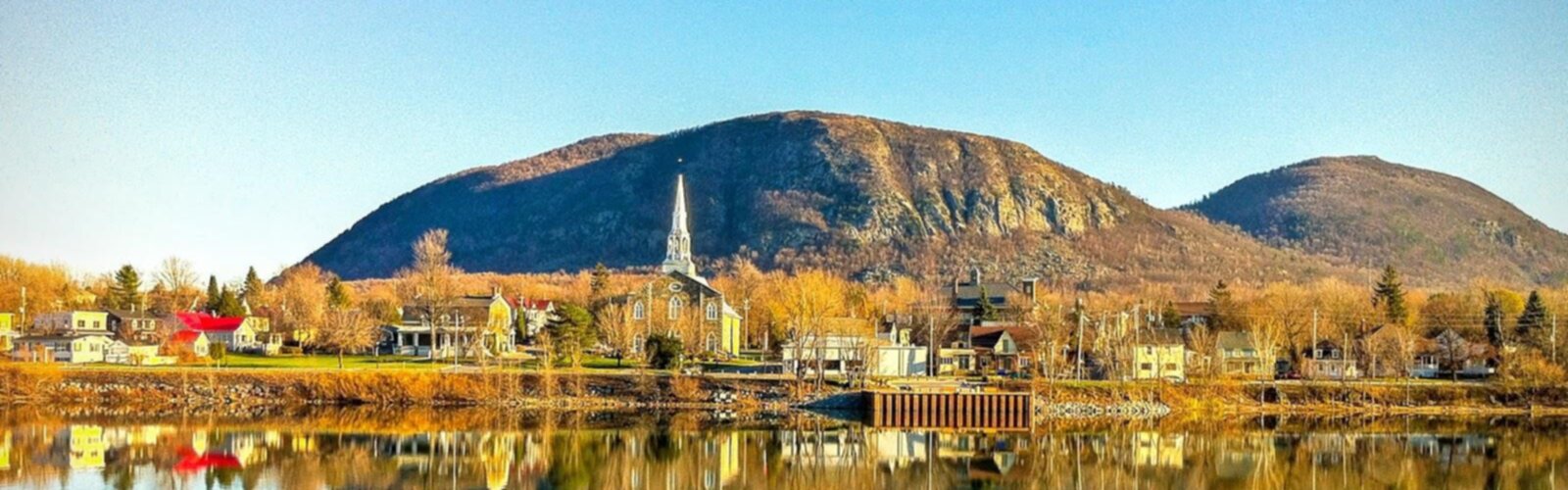
25 hikes under 2 hours from Montreal
Distance, elevation, parking and season for each one. The ones we go back to ourselves.
Get the guideSimilar hikes nearby
Discover other trails you might enjoy

Crawford
White Mountains
Welch-Dickey Trailhead
White Mountains
White Mountain National Forest
White Mountains
Presidential Range Rail Trail
White Mountains
Sabbaday Falls
White Mountains
Swift River
White Mountains
Hiking near North Conway
0 trails to explore ~44 km away
We work hard to provide the most up-to-date and error-free data possible. If something seems incorrect, let us know! Your contribution helps the whole community.
Hikers' opinions