


Ready to explore Welch-Dickey Trailhead? Here's everything you need to know before you go!
Discover the trail
Oh no! We don't have any photos 😢
This trail hasn't been captured yet. Be the first to share your adventure!Trail description
The Welch-Dickey Loop Trail stands out as one of New Hampshire's most rewarding moderate hikes, delivering spectacular open ledge views that rival much longer and more strenuous White Mountain trails. Located near Waterville Valley, this 7.2-kilometer loop combines accessible forest hiking with dramatic granite slabs and panoramic summit vistas, making it a perfect introduction to White Mountain hiking or a satisfying day out for experienced hikers.
The Trail Experience
Your adventure begins in dense mixed forest, following a well-maintained and clearly marked trail that gradually climbs through typical New Hampshire woodland. The initial section provides a gentle warm-up as you wind through stands of birch, maple, and evergreens, with the forest floor carpeted in ferns and wildflowers during the growing season.
The character of the hike changes dramatically as you gain elevation through the 554 meters of ascent. The forest begins to thin, and you'll encounter your first taste of the open granite ledges that make this trail famous. These exposed rock faces require some scrambling—nothing technical, but you'll use your hands occasionally and need to pay attention to your footing, especially when wet.
The steep sections that punctuate the climb will definitely get your heart rate up, but they're manageable for most hikers with reasonable fitness. The trail alternates between these more challenging pitches and gentler stretches, giving you time to catch your breath and enjoy the increasingly impressive views as you work your way toward the twin summits.
Summit Views and Highlights
Both Welch Mountain and Dickey Mountain offer outstanding panoramic views that make every step of the climb worthwhile. The open granite summits provide 360-degree vistas that showcase the best of the White Mountains. On clear days, you'll have sweeping views of Mount Moosilauke's distinctive profile and the dramatic ridgeline of Franconia Ridge stretching across the horizon.
The exposed ledges create perfect natural viewing platforms and rest spots. Unlike many White Mountain peaks where views are limited to small clearings, here you'll find extensive open areas ideal for taking photos, having lunch, or simply soaking in the mountain scenery. The contrast between the intimate forest hiking and these expansive viewpoints gives the trail a satisfying variety that keeps the experience engaging throughout.
What makes these views particularly special is how accessible they are. You're getting mountain vistas typically associated with much longer hikes, but in a manageable adventure that takes around 3 hours and 15 minutes to complete. The loop design means you'll experience different perspectives and angles as you traverse between the two peaks, with each summit offering its own unique vantage point.
Trail Logistics and Navigation
The trailhead's location near Waterville Valley makes it easily accessible for day trips from throughout New England. The convenient access doesn't diminish the wilderness feel once you're on the trail—you'll quickly leave any sense of crowds behind as you climb into the mountains.
The loop format eliminates the need to retrace your steps, and the trail is designed so you experience the best views and most interesting terrain features without repetition. Most hikers tackle the loop in a clockwise direction, though either direction works well. The descent offers different perspectives and terrain, keeping the hike interesting all the way back to your car.
Trail blazing is consistent and reliable throughout the route, with white blazes marking the path clearly. Junction signs help keep you oriented at key decision points, though the main loop is straightforward to follow. The trail maintains good footing in most sections, with the granite ledges providing the most challenging terrain.
Terrain and Technical Considerations
While the trail is well-marked and maintained, making it accessible for hikers of varying skill levels, the steep sections and exposed rock require proper preparation. The granite ledges can be slippery when wet, and weather conditions can change quickly on the exposed summits.
The rock scrambling sections are the trail's most distinctive feature. These aren't technical climbs requiring ropes or special equipment, but they do demand attention and basic scrambling skills. The granite provides generally good grip when dry, but can become treacherous in wet conditions or when covered with leaves.
Appropriate footwear is essential—hiking boots or shoes with good traction will make the rocky sections much more comfortable and safe. The exposed nature of much of the upper trail means you'll be subject to weather conditions, so layer appropriately and be prepared for wind and temperature changes that can be dramatic compared to the protected forest sections.
What to Pack and Expect
Bring plenty of water and snacks, as the combination of elevation gain and exposed hiking can be more demanding than the moderate rating might suggest. The summit areas provide excellent spots for breaks and meals, so pack something you can enjoy while taking in the views.
Your camera will get a workout on this trail. The combination of forest scenes, dramatic rock formations, and expansive mountain vistas provides photo opportunities throughout the hike, not just at the summits. The changing light conditions as you move between forest and open ledges create particularly interesting photographic challenges and opportunities.
Weather awareness becomes crucial on the exposed sections. What might be a pleasant day in the parking area can feel quite different on the windy, exposed granite slabs. Check conditions before heading out and be prepared to turn back if weather deteriorates.
Seasonal Considerations and Trail Conditions
The Welch-Dickey Loop offers different experiences throughout the hiking season. Spring brings wildflowers and rushing water, while fall delivers spectacular foliage views from the open ledges. Summer provides the most reliable weather for enjoying the exposed summit areas, though it's also the busiest season.
The exposed ledges and steep terrain make this trail particularly challenging in winter conditions, when it becomes a serious undertaking requiring winter hiking experience and equipment. During mud season in early spring, the trail can be quite muddy and erosion-prone in the steeper sections.
Remember to follow Leave No Trace principles throughout your visit. The popularity and accessibility of this trail means it sees significant use, making responsible hiking practices essential for preserving the experience for future visitors. Pack out all trash, stay on marked trails, and be respectful of other hikers sharing this beautiful mountain environment.
The Essential Hiking Checklist
Everything you need for your next hike. Bilingual, printable, 1 page.
Get your free hiking checklistRecommended gear for this trail
As an Amazon Associate I earn from qualifying purchases.


Ready to go?
Everything you need to know before you goStarting Point
The welch-dickey trailhead is located in Thornton, New Hampshire. From I-93, take exit 28 and head west on NH Route 132 for 2.5 miles. Turn left onto Welch Road and drive for 1.5 miles until you reach the trailhead parking area on the right.
When?
How much?
As an Amazon Associate I earn from qualifying purchases.
Affiliate links — LGPO may earn a commission at no extra cost to you.
- Hiking shoes Essential
- → Salomon Elixir Tour Mid WP · 203.38 $
- Layered clothing Essential
- Rain jacket Essential
- Trekking poles
- → Black Diamond Trail Ergo Cork · 69.99 $
- Headlamp
- → Petzl Actik Core 625 · 103.95 $
FAQ - Frequently asked questions
Everything you need to knowSimilar hikes nearby
Discover other trails you might enjoy

Crawford
White Mountains
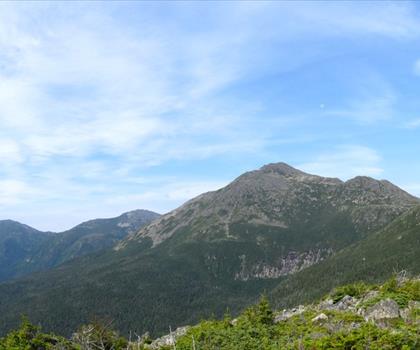
Presidential Range Rail Trail
White Mountains
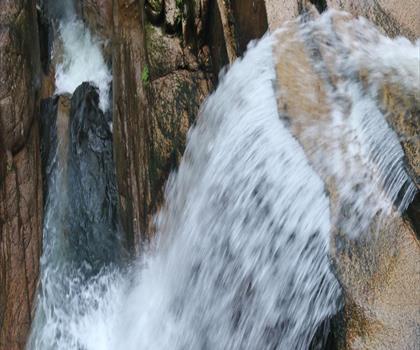
Sabbaday Falls
White Mountains
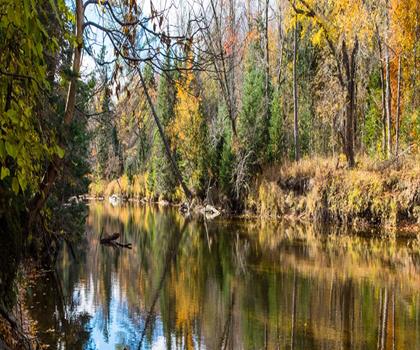
Swift River
White Mountains

Mt Bond
White Mountains

Mt Jefferson
White Mountains
Hiking near North Conway
0 trails to explore ~40 km away
We work hard to provide the most up-to-date and error-free data possible. If something seems incorrect, let us know! Your contribution helps the whole community.
Hikers' opinions
Be the first to review!
No hiker has shared their experience yet. Share your impressions and help other hikers!