

Ready to explore White Mountain National Forest? Here's everything you need to know before you go!
Discover the trail
Trail description
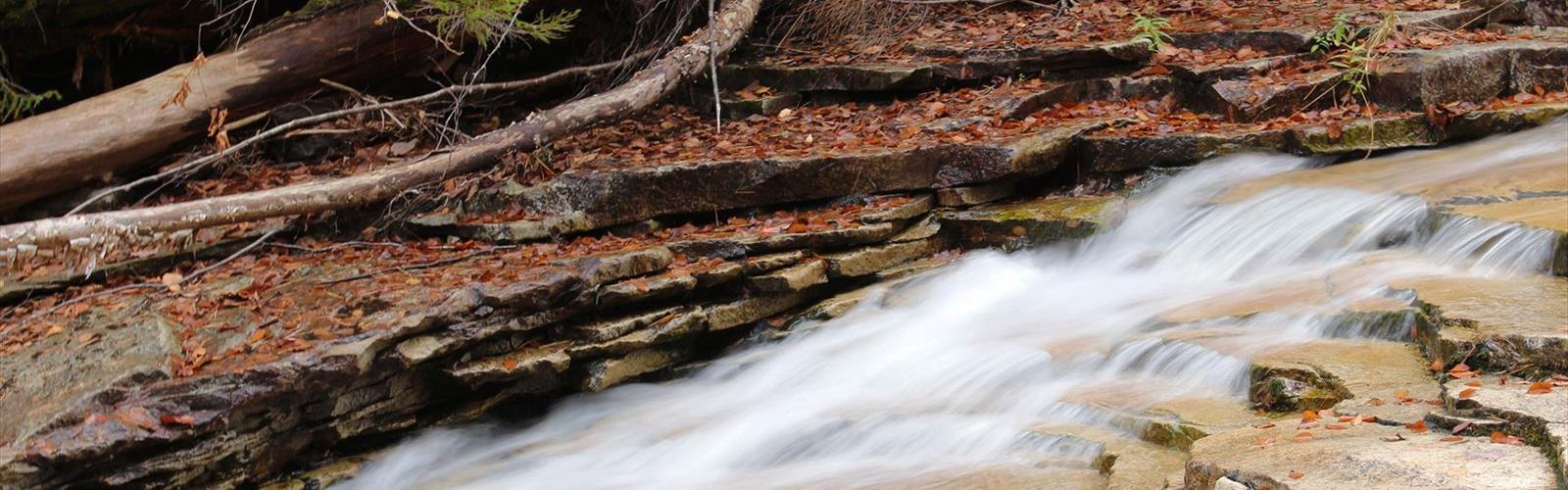
The White Mountain National Forest sprawls across 750,000 acres of New Hampshire's most dramatic terrain, creating one of the Northeast's premier hiking destinations. This vast wilderness encompasses everything from gentle valley walks to some of the region's most challenging alpine routes, making it a place where hikers of every skill level can find their ideal adventure.
The forest's landscape shifts dramatically as you move through its boundaries. Lower elevations feature dense hardwood and coniferous forests crossed by clear mountain streams, while higher terrain opens into exposed ridgelines and alpine zones where weather can change from calm to severe within minutes. This diversity means you might start a day hiking through peaceful woodland and finish scrambling over granite slabs above treeline, with panoramic views stretching to distant peaks.
Mount Washington and the Presidential Range
Mount Washington stands as the forest's most famous landmark and the highest peak in the Northeastern United States. This mountain has earned its reputation for unpredictable weather—conditions can shift from sunny and calm to dangerous storms regardless of the season. The summit offers stunning vistas on clear days, but the ascent demands respect and preparation. Multiple routes lead to the top, from the popular but strenuous Tuckerman Ravine Trail to the longer but more gradual Mount Washington Auto Road.
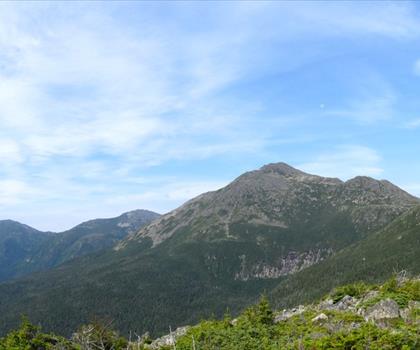
The Presidential Range, which includes Mount Washington, features a series of peaks connected by the Appalachian Trail. These mountains offer some of the most challenging hiking in the region, with long stretches above treeline where hikers are exposed to rapidly changing weather conditions. The granite peaks here create an alpine environment that feels more like the Rockies than typical Eastern mountains, with cairns marking the route across exposed summits where vegetation gives way to rock and sky.
The Kancamagus Highway Corridor
For those seeking a more relaxed experience, the Kancamagus Highway provides access to numerous moderate trails and scenic overlooks. This scenic byway cuts through the heart of the forest, offering easy access to waterfalls, swimming holes, and family-friendly hiking options. During fall foliage season, the highway becomes one of New England's most spectacular drives, with maples, birches, and oaks creating a brilliant canopy of reds, oranges, and yellows.
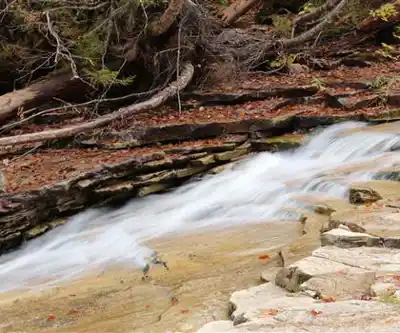
Popular trails along the Kancamagus include routes to Diana's Baths, a series of cascading waterfalls, and the Boulder Loop Trail, which offers a moderate hike through diverse forest ecosystems. These areas tend to be less demanding than the high peaks but still provide the authentic White Mountain experience of granite ledges, mountain streams, and dense forest. The swimming holes along these trails become particularly appealing during summer months, offering refreshing breaks from hiking in the heat.
Franconia Notch and the Northern Peaks
The northern section of the forest includes the dramatic Franconia Notch, where steep-walled valleys create some of the most striking scenery in the region. The Franconia Ridge offers one of the most popular and scenic day hikes, with an exposed ridgeline walk that provides constant views of surrounding peaks and valleys. This area showcases the forest's geological diversity, with massive granite formations and glacially carved valleys that tell the story of ancient ice ages.
The northern peaks tend to be slightly less crowded than Mount Washington, but they offer equally rewarding experiences. These mountains feature a mix of forested approaches and alpine summits, giving hikers the chance to experience the full range of White Mountain ecosystems in a single day.
Wildlife and Natural Features
The forest supports a rich variety of wildlife that hikers regularly encounter. Moose are common throughout the area, particularly in wetland areas and along streams during early morning and evening hours. Black bears inhabit the forest year-round, making proper food storage essential for anyone camping or spending extended time on the trails. The diverse bird population includes everything from common songbirds in the lower elevations to specialized alpine species on the highest peaks.
The geological features of the White Mountains tell the story of ancient volcanic activity and glacial carving. Hikers will notice the distinctive granite formations, glacial erratics, and U-shaped valleys that characterize the landscape. Many trails follow old logging roads or railroad grades, remnants of the area's industrial past before it became protected forest land. These historical traces add an interesting human element to the wilderness experience, with old stone walls and abandoned foundations occasionally visible along trail routes.
Trail Systems and Navigation
The forest maintains an extensive network of well-marked trails, from short nature walks to multi-day backpacking routes. The Appalachian Trail runs through the forest for over 100 miles, connecting many of the major peaks and providing access to some of the most spectacular scenery in the region. The trail system is generally well-maintained, though conditions can vary significantly with elevation and season.
Trail marking in the White Mountains follows a consistent system of blazes and signs that makes navigation relatively straightforward. However, the exposed alpine areas require careful attention to cairns and weather conditions, as trails can become obscured quickly when visibility drops. The interconnected nature of the trail system allows for creative route planning, whether you're looking for a quick afternoon hike or a week-long adventure.
Camping and Backcountry Experience
The White Mountain National Forest offers numerous camping opportunities, from developed campgrounds with facilities to backcountry sites for those seeking solitude. Established campgrounds provide amenities like restrooms, water, and fire rings, while backcountry camping allows for a more primitive experience. The forest maintains several huts and shelters along major trail routes, though these require advance reservations during busy periods.
For multi-day hiking trips, the forest's camping regulations help preserve the natural environment while allowing visitors to experience the wilderness. Backcountry camping is permitted in most areas, though specific rules apply regarding campfire restrictions, waste disposal, and campsite selection. The Leave No Trace principles are particularly important here, given the heavy use these mountains receive throughout the hiking season.
Seasonal Considerations and Weather Patterns
Each season brings distinct experiences to the White Mountain National Forest. Summer offers the most stable weather and longest daylight hours, making it ideal for challenging peak ascents and extended backpacking trips. Fall transforms the forest into a spectacular display of color, though trails can be crowded during peak foliage season. Winter brings snow and ice that require specialized equipment and skills, but also offers opportunities for snowshoeing and winter mountaineering.
The forest's high elevation means that weather conditions can be significantly different from surrounding lowland areas. Temperatures drop with elevation, and precipitation increases, particularly on the western slopes that face prevailing weather systems. This creates microclimates throughout the forest, from temperate valley floors to arctic-like conditions on the highest peaks. Understanding these patterns becomes crucial for safe hiking, especially when venturing above treeline where exposure to wind and weather intensifies dramatically.
The Essential Hiking Checklist
Everything you need for your next hike. Bilingual, printable, 1 page.
Get your free hiking checklistRecommended gear for this trail
As an Amazon Associate I earn from qualifying purchases.


Ready to go?
Everything you need to know before you goStarting Point
The best way to get to the start of the trails at the white mountain national forest in New Hampshire is to take I-93 to exit 32 and follow Route 3 east.
When?
How much?
As an Amazon Associate I earn from qualifying purchases.
Affiliate links — LGPO may earn a commission at no extra cost to you.
- Hiking shoes Essential
- → Salomon Elixir Tour Mid WP · 203.38 $
- Layered clothing Essential
- Rain jacket Essential
- Trekking poles
- → Black Diamond Trail Ergo Cork · 69.99 $
- Headlamp
- → Petzl Actik Core 625 · 103.95 $
FAQ - Frequently asked questions
Everything you need to knowSimilar hikes nearby
Discover other trails you might enjoy

Crawford
White Mountains
Presidential Range Rail Trail
White Mountains
Welch-Dickey Trailhead
White Mountains
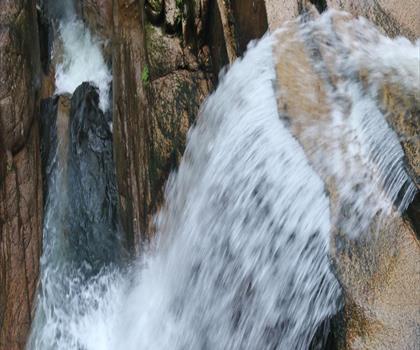
Sabbaday Falls
White Mountains
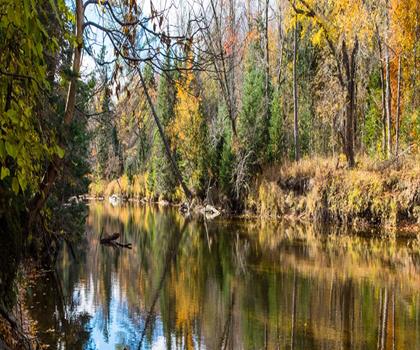
Swift River
White Mountains
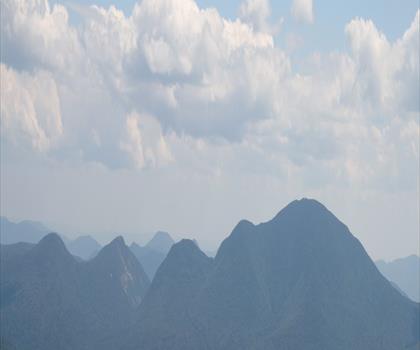
Mt Bond
White Mountains
Hiking near North Conway
0 trails to explore ~25 km away
We work hard to provide the most up-to-date and error-free data possible. If something seems incorrect, let us know! Your contribution helps the whole community.
Hikers' opinions
Be the first to review!
No hiker has shared their experience yet. Share your impressions and help other hikers!