
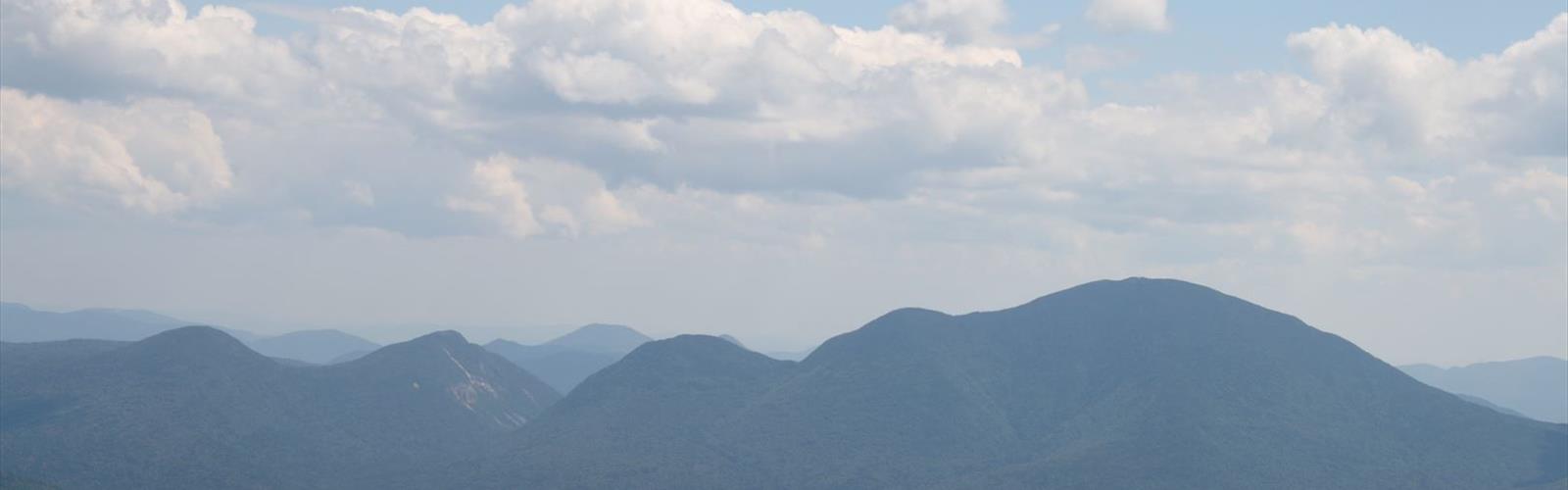

Ready to explore Mt Bond? Here's everything you need to know before you go!
Discover the trail
Available trails
| TrailTrails | Dist.Distance | GainElevation | TimeDuration | Difficulty | GPX |
|---|---|---|---|---|---|
|
|
13 km | — | 3h | GPX |
GPX track: © OpenStreetMap contributors — ODbL 1.0
Trail description
Mt. Bond rises to 4,698 feet in New Hampshire's Pemigewasset Wilderness, forming part of the celebrated Bonds trio alongside West Bond and Bondcliff. This peak delivers some of the White Mountains' most spectacular panoramic views, making it a standout destination for hikers seeking both challenge and reward in one of New England's premier wilderness areas.
The Hiking Experience
The journey to Mt. Bond begins at Lincoln Woods Trailhead, where you'll immediately enter a world of dense forest and rushing streams. The initial miles follow well-maintained paths through mixed hardwood and coniferous forest, with the sound of the East Branch Pemigewasset River accompanying your steps. This gentle introduction provides a false sense of what lies ahead—the real climbing begins once you transition deeper into the wilderness.
As you progress along the Bondcliff Trail, the character of your hike transforms dramatically. The terrain becomes increasingly rugged, with rocky sections and steeper grades that demand attention and proper footing. Stream crossings punctuate the route, and these can become genuine obstacles during high water periods, adding route-finding challenges to an already demanding day.
The final approach to Mt. Bond's summit takes you through increasingly alpine terrain where the forest canopy opens up, revealing glimpses of the dramatic landscape ahead. Rocky outcroppings and exposed ledges become more frequent, offering preview windows of the expansive views waiting at the top. Each step forward builds anticipation as the wilderness reveals itself in layers.
Summit Views and Alpine Terrain
Mt. Bond's summit rewards hikers with sweeping vistas that rank among the finest in the White Mountains. On clear days, the view encompasses Franconia Ridge stretching across the northern horizon, with its distinctive profile clearly visible. To the east, Owl's Head dominates the nearby landscape, while glimpses of Mt. Washington appear in the distance when weather permits.
The summit itself features exposed granite and alpine vegetation typical of higher elevations in this region. Unlike some White Mountain peaks that offer limited views due to tree cover, Mt. Bond provides nearly 360-degree panoramas from multiple vantage points near the top. The rocky summit area gives photographers numerous composition opportunities, whether capturing the dramatic ridgelines or the vast wilderness stretching in every direction.
What truly sets Mt. Bond apart from other peaks in the region is its position within the heart of the Pemigewasset Wilderness. The views reveal an unbroken expanse of protected forest, creating a sense of remoteness that's increasingly rare in the heavily visited White Mountains. This wilderness setting means you'll see no roads, buildings, or other signs of development from the summit—just endless ridges and valleys extending to the horizon.
Trail Conditions and Technical Challenges
The hike to Mt. Bond presents a serious undertaking that demands respect and preparation. The trail surface varies considerably throughout the journey, starting with well-graded paths that feature good footing, but conditions become increasingly technical as you gain elevation. Expect loose rocks, exposed roots, and steep pitches that require careful navigation, especially when wet.
Stream crossings present particular challenges during spring snowmelt and after heavy rains. What might be simple rock-hops during dry conditions can become significant obstacles requiring careful route-finding or even retreat if water levels are too high. Always assess crossing conditions carefully and don't hesitate to turn back if safety becomes questionable.
The extended distance to reach this remote peak means you'll experience changing trail conditions throughout a single hike. Early morning sections might feature frost or dew-slicked rocks, while afternoon conditions could bring thunderstorm risks on the exposed summit. This variability requires constant attention to changing conditions and willingness to adapt your pace and plans accordingly.
Weather and Seasonal Considerations
Weather conditions in the White Mountains change rapidly and can be severe even during summer months. The elevation and exposed nature of Mt. Bond's summit make it particularly susceptible to sudden weather changes. Temperature drops, high winds, and precipitation can occur with little warning, making proper preparation essential regardless of season.
Winter conditions extend well beyond calendar winter at this elevation. Snow can persist on the upper portions of the trail into late spring, and early season hikers may encounter icy conditions requiring microspikes or crampons. Late fall and early spring present particular challenges with unpredictable conditions and limited daylight hours that can turn a challenging hike into a dangerous situation.
Essential Preparation and Gear
The remote location and challenging nature of this hike demand thorough preparation. Carry more water and food than you think you'll need—the extended duration and physical demands will increase your consumption significantly. A water filtration system allows you to refill from reliable stream sources along the route, reducing the weight penalty of carrying all your water from the start.
Weather protection becomes crucial given the exposed summit conditions and potential for rapid weather changes. Pack layers suitable for conditions significantly colder and windier than what you experience at the trailhead. Rain gear should be considered essential regardless of the forecast, as mountain weather can change faster than you can descend to safety.
Navigation tools become important on this longer hike, particularly if weather moves in or you're hiking during shoulder seasons when trail conditions may be challenging. A map, compass, and GPS device or smartphone with offline maps provide backup options if visibility decreases or you lose the trail in difficult conditions.
A headlamp is essential even for day hikes, as finishing in darkness becomes a real possibility if you start late or encounter delays. Extra batteries ensure your light source remains reliable throughout what can easily become a very long day. Following Leave No Trace principles is particularly important in this pristine wilderness setting, where maintaining the area's wild character depends on every visitor's commitment to responsible recreation practices.
The Essential Hiking Checklist
Everything you need for your next hike. Bilingual, printable, 1 page.
Get your free hiking checklistRecommended gear for this trail
As an Amazon Associate I earn from qualifying purchases.


Ready to go?
Everything you need to know before you goStarting Point
The mt bond trails are located in the White Mountain National Forest. To get to the start of the trails, take Route 302 to the town of Twin Mountain. In Twin Mountain, take a left onto Kancamagus Highway (Route 112). The mt bond trailhead is located about 5 miles down the road on the right.
When?
How much?
As an Amazon Associate I earn from qualifying purchases.
Affiliate links — LGPO may earn a commission at no extra cost to you.
- Hiking shoes Essential
- → Salomon Elixir Tour Mid WP · 203.38 $
- Layered clothing Essential
- Rain jacket Essential
- Trekking poles
- → Black Diamond Trail Ergo Cork · 69.99 $
- Headlamp
- → Petzl Actik Core 625 · 103.95 $
FAQ - Frequently asked questions
Everything you need to knowSimilar hikes nearby
Discover other trails you might enjoy

Crawford
White Mountains
Presidential Range Rail Trail
White Mountains
Welch-Dickey Trailhead
White Mountains
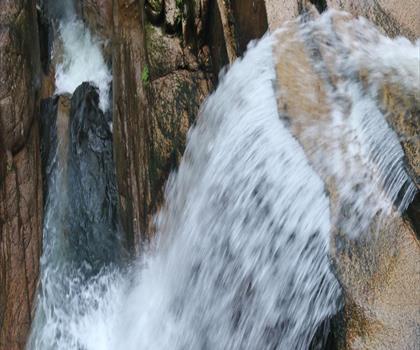
Sabbaday Falls
White Mountains
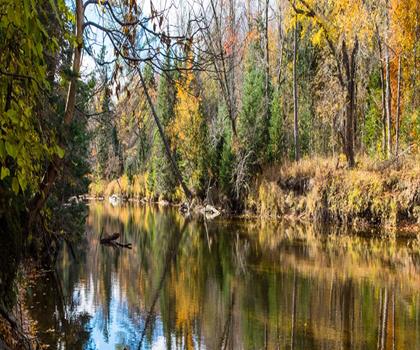
Swift River
White Mountains
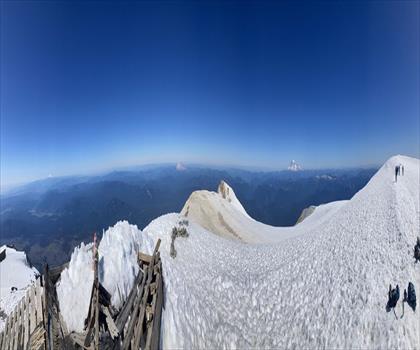
Mt Jefferson
White Mountains
Hiking near North Conway
0 trails to explore ~34 km away
We work hard to provide the most up-to-date and error-free data possible. If something seems incorrect, let us know! Your contribution helps the whole community.
Hikers' opinions
Be the first to review!
No hiker has shared their experience yet. Share your impressions and help other hikers!