

Ready to explore Arethusa Falls? Here's everything you need to know before you go!
Discover the trail
Trail description
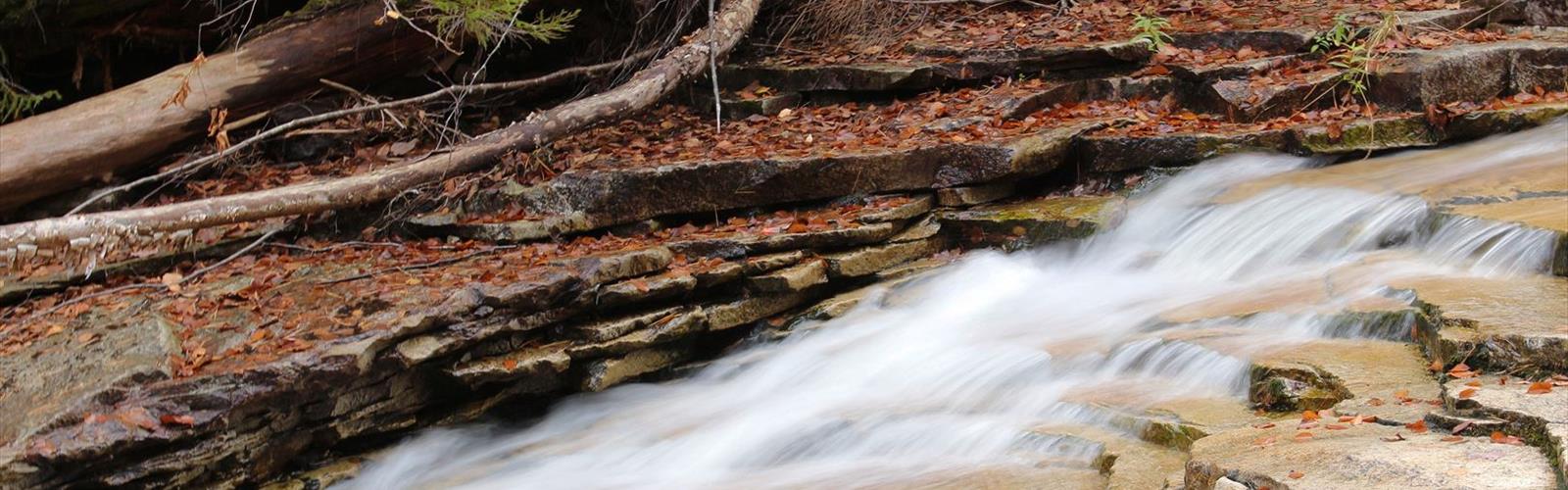
Arethusa Falls stands as one of New Hampshire's most impressive waterfalls, plunging nearly 140 feet down granite cliffs in a spectacular display that draws hikers from across New England. Located within Crawford Notch State Park in the heart of the White Mountains, this towering cascade offers one of the most rewarding waterfall hikes in the region, combining accessible trail conditions with genuinely dramatic scenery.
Named after the nymph Arethusa from Greek mythology, the falls create a striking focal point where water tumbles over weathered granite into a peaceful pool surrounded by moss-covered rocks and dense forest. The waterfall is particularly impressive during spring snowmelt and after heavy rains, when the volume transforms the gentle cascade into a thundering torrent that can be heard well before you see it.
The Trail Experience
The hike to Arethusa Falls begins at the well-marked trailhead accessible directly from Route 302, making it one of the easier waterfalls to reach in the White Mountains. The 4.8-kilometer round trip follows a moderate trail that gains 287 meters of elevation, typically taking around 2 hours and 30 minutes to complete depending on your pace and time spent at the falls.
The trail starts gently through mixed hardwood and coniferous forest, where towering white pines, maples, and birches create a canopy that provides welcome shade during summer months. The path is well-maintained but becomes increasingly rocky and steep as you progress toward the falls. Sturdy hiking boots are essential, as the trail includes sections of loose rocks, exposed roots, and potentially slippery conditions, especially after rain or during mud season.
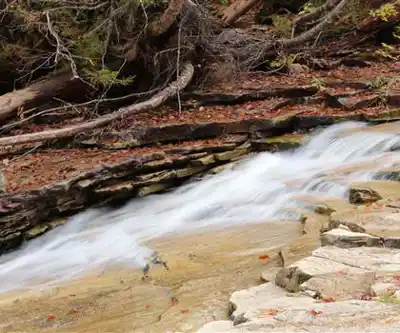
About halfway to the falls, the terrain becomes noticeably more rugged as you begin following Bemis Brook upstream. The sound of rushing water grows stronger, and you'll catch glimpses of smaller cascades and pools that hint at the main attraction ahead. The final approach involves some scrambling over granite slabs and boulders, requiring careful footing but nothing technically challenging for most hikers with basic experience.
What Makes This Trail Special
Unlike many White Mountain destinations that require significant elevation gain to reach alpine zones, Arethusa Falls delivers dramatic payoff while staying within the forest environment. The granite amphitheater setting creates an intimate, cathedral-like atmosphere that feels surprisingly secluded despite the trail's popularity. The combination of accessible difficulty and genuinely impressive natural features makes this hike stand out among the region's waterfall destinations.
The trail's moderate length and elevation gain make it perfect for hikers looking to experience White Mountain granite geology and forest ecosystems without committing to a full day or technical climbing. Yet the dramatic finale ensures you won't feel shortchanged compared to longer adventures.
Seasonal Highlights
Each season transforms the Arethusa Falls experience dramatically. Spring brings the most powerful water flow as snowmelt feeds the cascade, creating the most impressive display but also the muddiest trail conditions. Wildflowers begin appearing along the trail edges, including trilliums and spring beauties that add delicate color to the forest floor.
Summer offers the most comfortable hiking conditions with dry, stable footing and full forest canopy providing cooling shade. The waterfall's pool becomes an inviting spot for a refreshing break, though the water remains quite cold even in peak summer. Wildflowers reach their peak during this season, with varieties changing as you gain elevation.
Autumn transforms the entire hike into a spectacular color display as maples, birches, and other deciduous trees create a tapestry of reds, oranges, and yellows against the evergreen backdrop. The waterfall provides a stunning contrast to the fall foliage, making this one of the most photographed times to visit.
Winter hiking is possible but requires experience with snow and ice conditions. The frozen waterfall creates an entirely different but equally impressive sight, with massive ice formations clinging to the granite cliffs.
Wildlife and Natural Features
The diverse forest ecosystem along the trail supports a variety of wildlife that observant hikers may encounter. White-tailed deer are commonly seen, particularly in early morning or late afternoon. Black bears inhabit the area, though sightings are less common. Smaller wildlife includes red squirrels, chipmunks, and various bird species including woodpeckers, nuthatches, and seasonal warblers.
The granite geology that creates the dramatic waterfall also shapes the entire hiking experience. The trail crosses several smaller granite outcroppings and passes numerous boulders deposited by ancient glacial activity. These geological features provide interesting rest spots and viewpoints, particularly where they offer glimpses through the forest canopy toward the surrounding peaks.
At the Falls
Reaching Arethusa Falls reveals a natural amphitheater where the waterfall serves as the centerpiece. The granite cliffs rise impressively on multiple sides, creating an intimate setting that feels removed from the outside world despite the relatively short hike. The pool at the base provides a perfect foreground for photography, while fallen logs and granite slabs offer comfortable seating for extended breaks.
This spot is ideal for picnicking, with the sound of falling water providing natural ambiance. The mist from the falls creates a cooling microclimate during warm weather, and the surrounding rocks and forest provide numerous photography opportunities from different angles and perspectives. The scale becomes apparent when you see other hikers near the base – the falls truly dominate the space.
Extended Adventures
Hikers seeking additional challenges can extend their adventure by exploring nearby trails. The Frankenstein Cliff Trail offers panoramic views of Crawford Notch and connects to the broader White Mountain trail network. These additional options make Arethusa Falls an excellent base for longer hiking days or multi-trail adventures.
The falls also serve as an excellent introduction to White Mountain hiking for those building up to more challenging peaks, providing a taste of the region's granite geology, forest ecosystems, and dramatic natural features without requiring the commitment of a full mountain ascent.
The Essential Hiking Checklist
Everything you need for your next hike. Bilingual, printable, 1 page.
Get your free hiking checklistRecommended gear for this trail
As an Amazon Associate I earn from qualifying purchases.


Ready to go?
Everything you need to know before you goStarting Point
The start of the trails at the arethusa falls can be accessed from the parking lot on the south side of the Bemis Brook.
When?
How much?
As an Amazon Associate I earn from qualifying purchases.
Affiliate links — LGPO may earn a commission at no extra cost to you.
- Hiking shoes Essential
- → Salomon Elixir Tour Mid WP · 203.38 $
- Layered clothing Essential
- Rain jacket Essential
- Trekking poles
- → Black Diamond Trail Ergo Cork · 69.99 $
- Headlamp
- → Petzl Actik Core 625 · 103.95 $
FAQ - Frequently asked questions
Everything you need to knowSimilar hikes nearby
Discover other trails you might enjoy

Crawford
White Mountains
Presidential Range Rail Trail
White Mountains
Welch-Dickey Trailhead
White Mountains
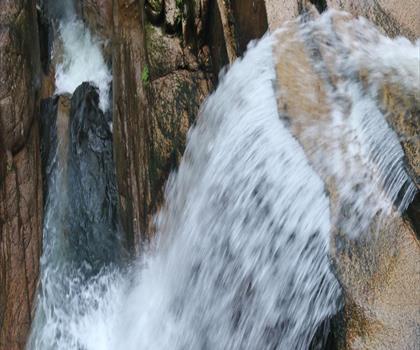
Sabbaday Falls
White Mountains
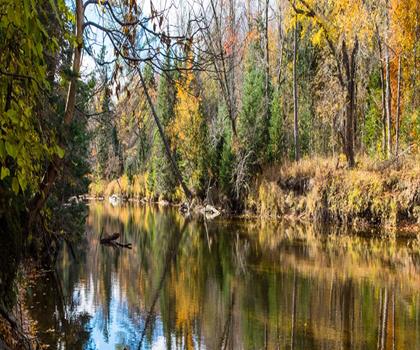
Swift River
White Mountains
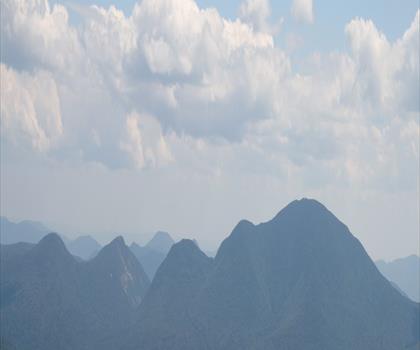
Mt Bond
White Mountains
Hiking near North Conway
0 trails to explore ~23 km away
We work hard to provide the most up-to-date and error-free data possible. If something seems incorrect, let us know! Your contribution helps the whole community.
Hikers' opinions
Be the first to review!
No hiker has shared their experience yet. Share your impressions and help other hikers!