


Ready to explore Big Sugarloaf Mountain? Here's everything you need to know before you go!
Discover the trail
Oh no! We don't have any photos 😢
This trail hasn't been captured yet. Be the first to share your adventure!Trail description
Description
Big Sugarloaf Mountain offers a compelling hiking experience in New Hampshire's White Mountains. The exact distance and elevation gain vary depending on the route taken and current trail conditions, so hikers should verify specific statistics before departure. This peak provides genuine mountain adventure combined with accessibility for hikers with moderate experience.
Trail Character and Terrain
The approach to Big Sugarloaf follows well-established trails that wind through the diverse forest ecosystems that define the White Mountains experience. You'll start among mixed hardwoods where maple, birch, and oak create a deciduous canopy that filters sunlight into dappled patterns across the forest floor. As elevation increases, the forest composition shifts toward the conifers that thrive at higher elevations – white pine, red spruce, and balsam fir that fill the air with their distinctive mountain fragrance.
The trail surface varies throughout the ascent, keeping the hiking experience engaging from start to finish. Soft sections carpeted with pine needles and fallen leaves alternate with rockier terrain that requires more deliberate foot placement. These rocky stretches provide a taste of classic White Mountain hiking without the technical scrambling found on the region's more challenging peaks. The difficulty of this hike varies by route selection and current conditions.
Wildlife encounters add spontaneity to the forest journey. The diverse habitat supports various bird species, from woodpeckers working the larger trees to smaller songbirds flitting through the understory. Deer tracks are common along the trail, and patient hikers often spot these graceful animals, especially during quieter morning or late afternoon hours. Chipmunks and red squirrels provide entertainment with their constant activity, while the occasional glimpse of larger wildlife reminds you that this forest ecosystem extends far beyond the trail corridor.
The Summit Experience
Reaching Big Sugarloaf's summit transforms the entire hiking experience. The panoramic views that unfold justify the climb, revealing the layered landscape that makes the White Mountains region so compelling. Rolling hills extend toward distant horizons, punctuated by recognizable peaks that create depth and scale in the vista. On clear days, the view encompasses multiple mountain ranges, each ridge line adding another layer to the expansive scene.
The summit area itself provides an ideal setting for the extended break this view deserves. Multiple vantage points allow hikers to explore different perspectives and find their preferred spot for lunch, photography, or simple contemplation. The open rock surfaces warm quickly in sunlight, creating comfortable natural seating areas where you can spread out gear and truly settle in to enjoy the elevation you've earned.
This elevated perch offers genuine solitude and perspective that feels proportional to the effort invested. Unlike some peaks where modest views leave you wondering if the climb was worthwhile, Big Sugarloaf consistently delivers summit rewards that exceed expectations for a mountain hike. The sense of accomplishment feels authentic – you've worked for these views.
Seasonal Transformations
Each season reveals different aspects of Big Sugarloaf's character, making return visits worthwhile throughout the hiking year. Spring and summer showcase the forest at its most vibrant, with full canopies providing natural cooling during warmer months. The understory reaches peak diversity during these seasons, with wildflowers, ferns, and mosses creating intricate ground-level displays that reward hikers who take time to notice the smaller details.
Autumn transforms Big Sugarloaf into a showcase for New Hampshire's legendary fall foliage. The mixed hardwood forests explode in brilliant reds, oranges, and yellows that create picture-perfect moments at virtually every turn. Summit views during peak foliage season encompass vast expanses of colorful forest that stretch to distant horizons, while the trail itself becomes a tunnel through vibrant canopy that filters autumn light into warm, golden tones.
Photography opportunities abound regardless of season, from intimate forest details to sweeping summit panoramas. The combination of diverse terrain, changing light conditions, and seasonal variations means camera-carrying hikers will find compelling subjects throughout the journey. Weather patterns in the White Mountains create dramatic sky conditions that add visual interest to summit views, whether that means towering cumulus clouds on summer afternoons or the crisp clarity that often follows autumn cold fronts.
Planning and Preparation
Proper preparation enhances both safety and enjoyment on Big Sugarloaf. Sturdy hiking boots provide essential ankle support and traction on varied terrain, while adequate water and snacks become increasingly important as you ascend. Check current trail conditions and weather forecasts before your visit, as conditions can change quickly in the White Mountains.
Weather conditions can change rapidly in the White Mountains, and summit conditions often differ markedly from those at the trailhead. Wind exposure and temperature changes with elevation can catch unprepared hikers off guard. Checking current conditions and bringing appropriate layers ensures comfort throughout your hike.
The trail accommodates various hiking styles and group compositions equally well. Solo hikers seeking solitude will find plenty of quiet forest sections, while groups planning shared adventures will discover that the mountain works well for participants with different fitness levels.
Recommended gear for this trail


Ready to go?
Everything you need to know before you goStarting Point
The big sugarloaf mountain is located in Carroll County, New Hampshire. The easiest way to get there is to take Route 16 north from Conway. The mountain is located on the left side of the road. There is a small parking area at the trailhead.
When?
How much?
- Hiking shoes Essential
- → Salomon Elixir Tour Mid WP · 203.38 $
- Layered clothing Essential
- Rain jacket Essential
- Trekking poles
- → Black Diamond Trail Ergo Cork · 69.99 $
- Headlamp
- → Petzl Actik Core 625 · 103.95 $
FAQ - Frequently asked questions
Everything you need to know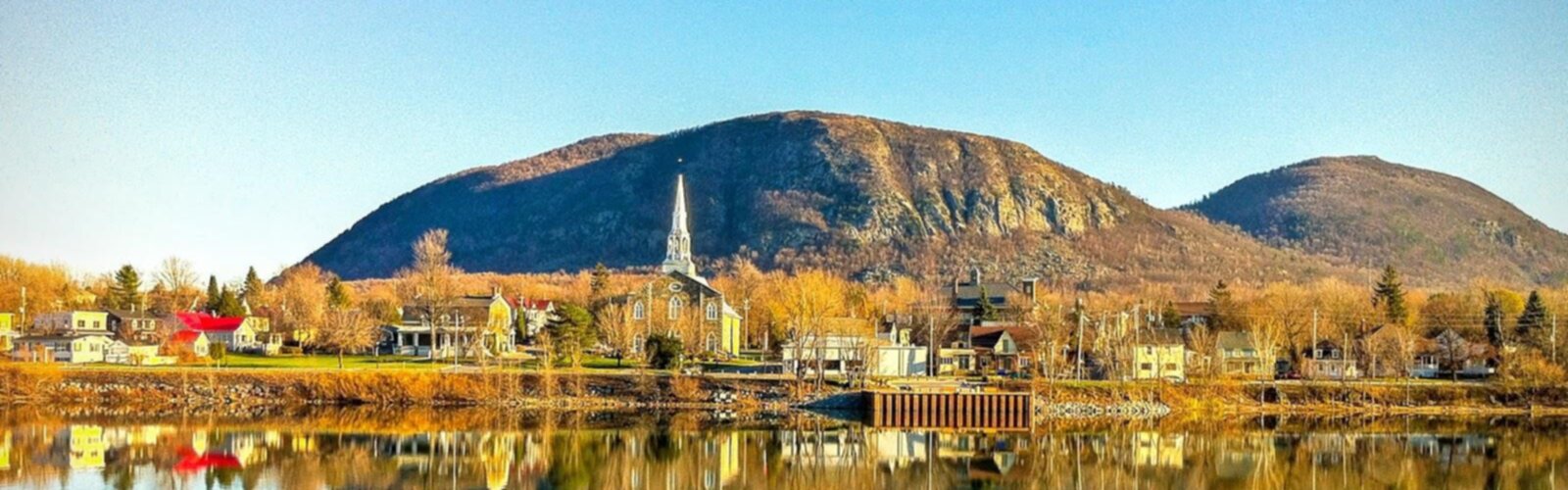
25 hikes under 2 hours from Montreal
Distance, elevation, parking and season for each one. The ones we go back to ourselves.
Get the guideSimilar hikes nearby
Discover other trails you might enjoy

Crawford
White Mountains
Welch-Dickey Trailhead
White Mountains
White Mountain National Forest
White Mountains
Presidential Range Rail Trail
White Mountains
Sabbaday Falls
White Mountains
Swift River
White Mountains
Hiking near Concord
0 trails to explore ~54 km away
We work hard to provide the most up-to-date and error-free data possible. If something seems incorrect, let us know! Your contribution helps the whole community.
Hikers' opinions