
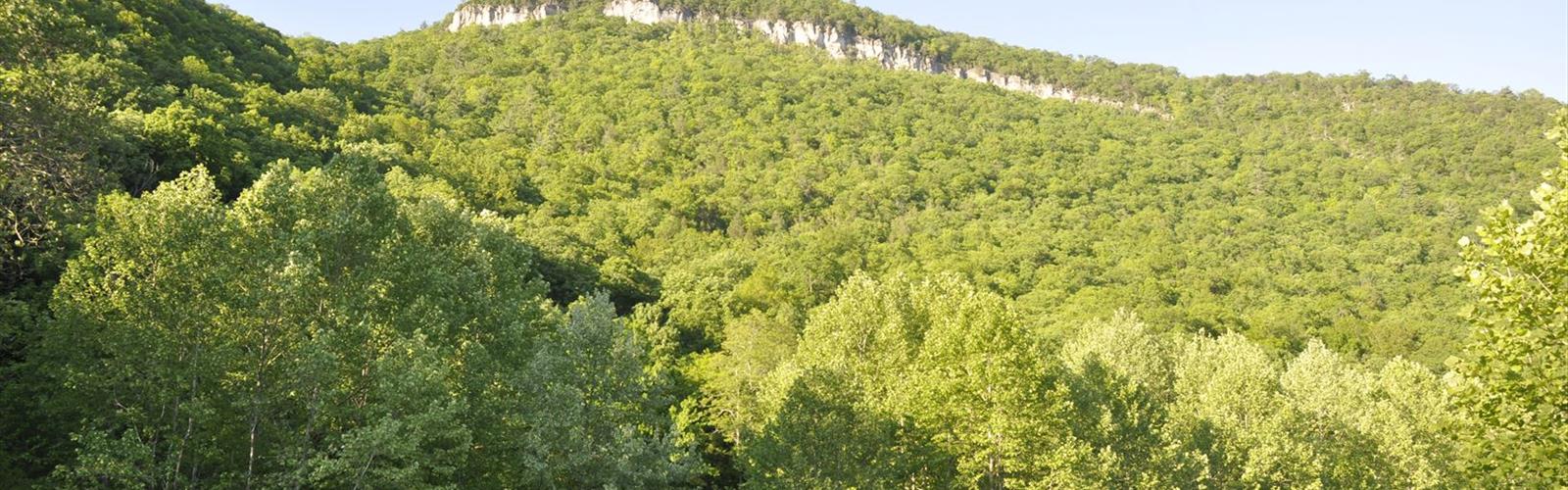

Ready to explore Cave Mountain? Here's everything you need to know before you go!
Discover the trail
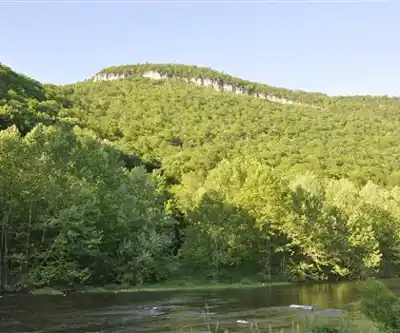
Trail description
Cave Mountain is a compact but rewarding hike in the White Mountains of New Hampshire. With 3.2 km of trail, 427 m of elevation gain, and an estimated time of about 1.5 hours, it punches above its weight for a route listed as easy — the climb is steady enough to get your legs working, but the distance keeps things manageable for most hikers, including families with older kids.
The Terrain
The trail gains elevation fairly consistently over its short distance, which means the 427 m of vertical is spread across a relatively compact footprint. Expect a forested climb through classic White Mountains woodland — a mix of hardwoods lower on the slope transitioning to conifers as you gain altitude. The footing is typical of New Hampshire hiking: rooted, occasionally rocky, and best tackled with trail shoes or light hikers rather than sneakers.
The name Cave Mountain hints at one of the trail's defining features. The cave itself is a natural rock formation that draws hikers looking for something a little more interesting than a standard summit walk. It's the kind of feature that makes the hike memorable and gives you a clear destination beyond just reaching the top.
What to Expect on the Trail
At 3.2 km, this isn't a full-day commitment. Most hikers will be back at the trailhead well within two hours. That makes it a solid option when you want to get out into the White Mountains without dedicating an entire day, or when you're looking for a warm-up hike before tackling something bigger in the region.
The elevation gain of 427 m is real — don't let the "easy" rating make you complacent. It's a genuine climb, just a short one. Trekking poles aren't necessary but can help on the descent if your knees are sensitive. Bring water regardless of the short distance; the climb will have you working.
Why Cave Mountain Stands Out
The White Mountains are full of trails, and many of them demand serious time and fitness. Cave Mountain fills a different niche: it's accessible, relatively quick, and offers a tangible reward in the form of the cave feature rather than just a wooded summit. For visitors to the region who want a taste of White Mountains hiking without committing to a 6-hour day, this trail delivers a genuine experience in a compact package.
It also works well as a shoulder-season option. The shorter distance means less exposure to weather, and the forested terrain provides some shelter compared to the exposed ridgelines the White Mountains are known for.
Practical Information
- Distance: 3.2 km
- Elevation gain: 427 m
- Difficulty: Easy
- Estimated time: 1 hour 30 minutes
- Region: White Mountains, New Hampshire
Wear appropriate footwear for rocky, rooted New Hampshire trail conditions, and check weather forecasts before heading out — conditions in the White Mountains can shift quickly even on shorter trails.
The Essential Hiking Checklist
Everything you need for your next hike. Bilingual, printable, 1 page.
Get your free hiking checklistRecommended gear for this trail
As an Amazon Associate I earn from qualifying purchases.


Ready to go?
Everything you need to know before you goStarting Point
The cave mountain trails are located in the town of Wells, in Hamilton County, New York. To get there, take NY-8 south from the village of Wells. The trailhead is located on the east side of the road, just south of the junction with NY-10.
The cave mountain trails are located in the town of Rumney, New Hampshire. To get to the start of the trails, take exit 26 off of I-93 and head east on NH 112. After about 4 miles, turn left onto NH 25 and drive for another 2 miles until you reach the trailhead parking area on the right.
When?
How much?
As an Amazon Associate I earn from qualifying purchases.
Affiliate links — LGPO may earn a commission at no extra cost to you.
- Hiking shoes Essential
- → Salomon Elixir Tour Mid WP · 203.38 $
- Layered clothing Essential
- Rain jacket Essential
- Trekking poles
- → Black Diamond Trail Ergo Cork · 69.99 $
- Headlamp
- → Petzl Actik Core 625 · 103.95 $
FAQ - Frequently asked questions
Everything you need to knowSimilar hikes nearby
Discover other trails you might enjoy

Crawford
White Mountains
Presidential Range Rail Trail
White Mountains
Welch-Dickey Trailhead
White Mountains
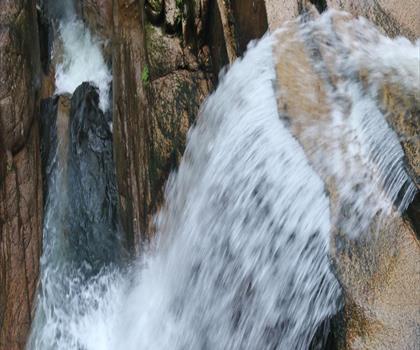
Sabbaday Falls
White Mountains
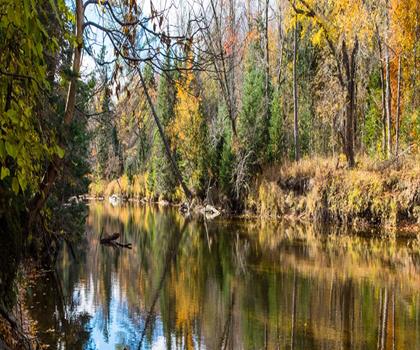
Swift River
White Mountains
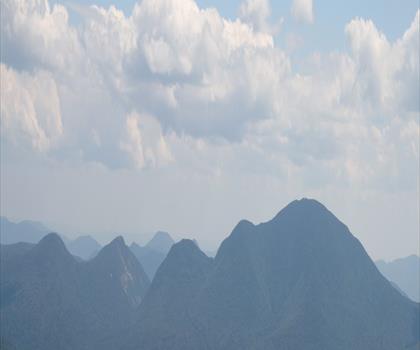
Mt Bond
White Mountains
Hiking near North Conway
0 trails to explore ~14 km away
We work hard to provide the most up-to-date and error-free data possible. If something seems incorrect, let us know! Your contribution helps the whole community.
Hikers' opinions
Be the first to review!
No hiker has shared their experience yet. Share your impressions and help other hikers!