

Ready to explore Edmands Path Trailhead? Here's everything you need to know before you go!
Discover the trail
Trail description
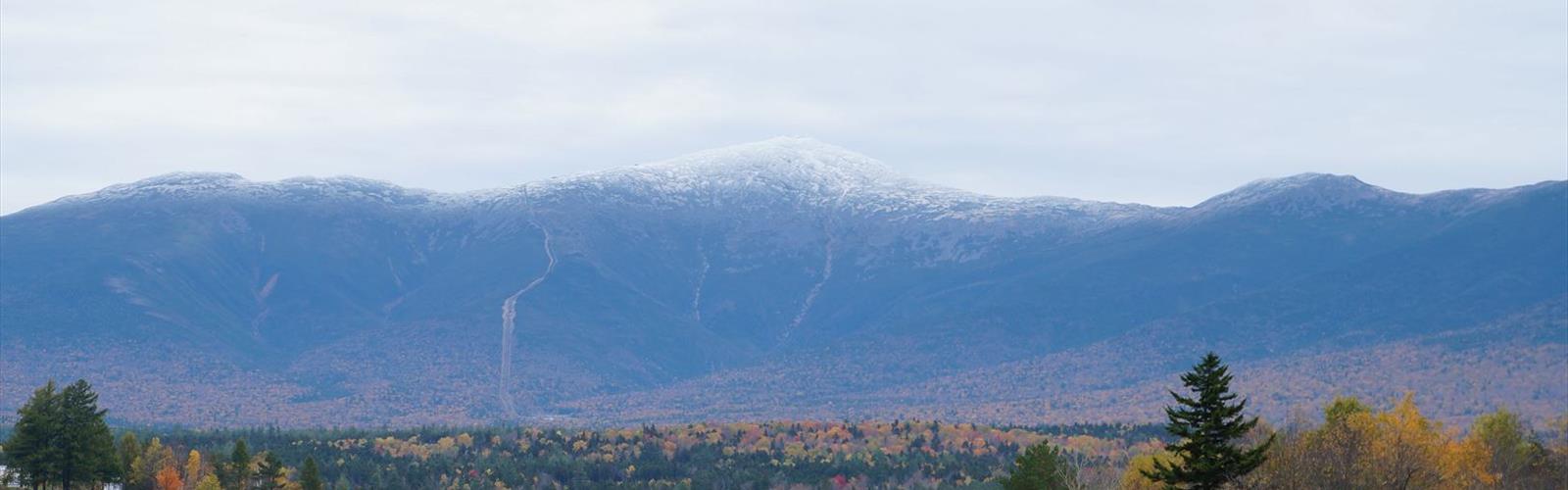
The Edmands Path trailhead sits tucked into New Hampshire's White Mountains, offering one of the most accessible routes to reach above-treeline terrain in the Presidential Range. This well-engineered trail takes you 2.8 miles one way up Mount Eisenhower, climbing 869 meters through varied terrain that showcases the best of what makes White Mountain hiking special.
What sets Edmands Path apart from other Presidential Range approaches is its thoughtful construction and moderate grade. The trail was built with switchbacks and careful grading that make the steady climb manageable for hikers of different experience levels. You'll start in dense northern hardwood forest, where the canopy filters sunlight into dappled patterns across the trail. The sound of your footsteps on packed earth mixes with birdsong and the occasional rustle of small wildlife moving through the understory.
Trail Experience and Terrain
The first mile eases you into the hike with gentle inclines through mixed forest. Maple, birch, and beech trees dominate the lower elevations, creating a tunnel of green in summer and spectacular color displays during fall foliage season. The trail surface here is well-maintained dirt and occasional stone steps, thanks to ongoing work by local volunteers and conservation groups who keep this route in excellent condition.
As you gain elevation, the forest composition shifts noticeably. Spruce and fir trees begin to take over, and the air carries that distinctive mountain scent of evergreen needles and clean, thin atmosphere. The middle section introduces more challenging rocky sections where you'll need to watch your footing, especially when wet. These aren't technical scrambles, but they require attention and good hiking boots with solid tread.
The transition from forest to alpine zone happens gradually, then suddenly. You'll notice the trees getting shorter and more gnarled as you approach treeline. Wind exposure increases, and you get your first glimpses of the expansive views waiting above. The final approach to Mount Eisenhower's summit brings you above treeline into the alpine zone that makes the Presidential Range famous. Here, the trail becomes more exposed, winding through low scrub and over granite slabs.
Summit Experience and Views
The payoff for your effort comes in the form of panoramic views that stretch across the Presidential Range and beyond. On clear days, you'll see the distinctive profiles of Mount Washington, Mount Jefferson, and Mount Adams lined up like sentinels along the ridge. The view extends south toward the Sandwich Range and east toward the Carter-Moriah Range, giving you a comprehensive look at White Mountain geography.
Mount Eisenhower's broad, dome-shaped summit provides plenty of space to rest and take in the scenery. Unlike some peaks where views are limited to small clearings, Eisenhower offers 360-degree vistas that help you understand your place in this mountain landscape. The summit cairn marks the high point, and you'll often find other hikers here sharing the experience and pointing out distant peaks.
The exposed summit environment feels dramatically different from the protected forest below. Weather conditions can change rapidly in this environment, and you'll understand why proper preparation matters as you experience the full force of mountain weather systems. On calm days, the summit provides an ideal lunch spot with unmatched scenery. When conditions turn rough, the lack of shelter becomes immediately apparent.
What Makes This Trail Special
Edmands Path represents some of the finest trail engineering in the White Mountains. The consistent grade and thoughtful routing make it accessible to hikers who might struggle with steeper, more direct routes to alpine terrain. Yet it doesn't sacrifice the authentic mountain experience that draws people to this region.
The trail offers a perfect introduction to above-treeline hiking for those new to alpine environments. You get to experience the dramatic transition from protected forest to exposed summit without committing to the longer, more demanding routes elsewhere in the Presidential Range. For experienced hikers, it provides a satisfying workout with reliable rewards.
The variety of ecosystems you pass through tells the story of mountain ecology in miniature. Starting in the rich deciduous forest of lower elevations, transitioning through the boreal forest of spruce and fir, and finally emerging into the harsh but beautiful alpine zone, you experience three distinct environments in a single hike.
Planning Your Hike
Sturdy hiking boots are essential for this trail, particularly for the rocky sections and potentially wet conditions. The elevation gain and distance mean you'll want plenty of water—more than you think you need, especially on warm days when the climb can be surprisingly demanding. Layer your clothing to handle the temperature difference between the protected forest and exposed summit.
Weather checking before departure isn't just recommended—it's critical for safety. The exposed summit area can experience severe conditions even when the trailhead seems pleasant. Afternoon thunderstorms are common in summer, and the alpine zone offers no protection from lightning. Plan to start early and be prepared to turn back if weather deteriorates.
The trail sees steady use throughout the hiking season, but it's rarely crowded to the point of being unpleasant. You'll encounter other hikers, especially on weekends and during peak foliage, but the steady climb tends to spread people out naturally. The well-maintained conditions mean you can focus on enjoying the hike rather than navigating difficult trail conditions.
Following Leave No Trace principles helps preserve the pristine environment that makes this trail special. Pack out all trash, stay on designated trails, and be considerate of other hikers sharing the experience. The volunteer efforts that keep this trail in excellent condition depend on everyone doing their part to minimize impact on this remarkable mountain environment.
The Essential Hiking Checklist
Everything you need for your next hike. Bilingual, printable, 1 page.
Get your free hiking checklistRecommended gear for this trail
As an Amazon Associate I earn from qualifying purchases.


Ready to go?
Everything you need to know before you goStarting Point
The edmands path trailhead is located in the town of Conway, New Hampshire. To get there, take Route 16 west from Conway until you reach the Edmands Path parking area on the left.
When?
How much?
As an Amazon Associate I earn from qualifying purchases.
Affiliate links — LGPO may earn a commission at no extra cost to you.
- Hiking shoes Essential
- → Salomon Elixir Tour Mid WP · 203.38 $
- Layered clothing Essential
- Rain jacket Essential
- Trekking poles
- → Black Diamond Trail Ergo Cork · 69.99 $
- Headlamp
- → Petzl Actik Core 625 · 103.95 $
FAQ - Frequently asked questions
Everything you need to knowSimilar hikes nearby
Discover other trails you might enjoy

Crawford
White Mountains
Presidential Range Rail Trail
White Mountains
Welch-Dickey Trailhead
White Mountains
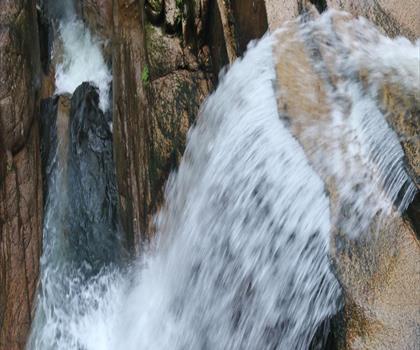
Sabbaday Falls
White Mountains
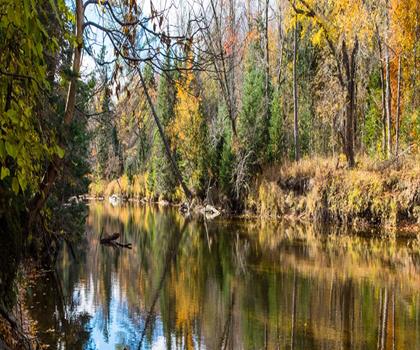
Swift River
White Mountains
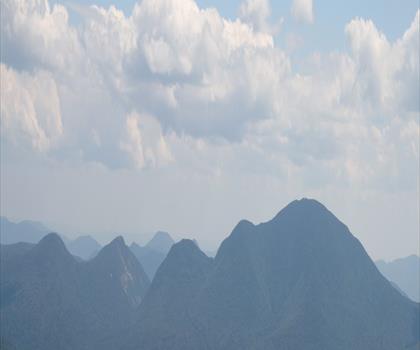
Mt Bond
White Mountains
Hiking near North Conway
0 trails to explore ~30 km away
We work hard to provide the most up-to-date and error-free data possible. If something seems incorrect, let us know! Your contribution helps the whole community.
Hikers' opinions
Be the first to review!
No hiker has shared their experience yet. Share your impressions and help other hikers!