

Ready to explore Flume Gorge? Here's everything you need to know before you go!
Discover the trail
Trail description
The Flume Gorge cuts a dramatic 800-foot chasm through the granite bedrock at the base of Mount Liberty in New Hampshire's White Mountains. This natural wonder transforms what could be an ordinary forest walk into something extraordinary—towering granite walls rise up to 90 feet on either side of you, creating a cathedral-like corridor where waterfalls tumble down moss-covered rock faces and wooden walkways guide you through spaces that feel almost otherworldly.
The gorge owes its discovery to 93-year-old "Aunt" Jess Guernsey, who stumbled upon it in 1808 while fishing. What she found was a geological masterpiece carved by countless years of water erosion, where Flume Brook has sliced through the mountain's granite core to create one of the most accessible and dramatic gorge experiences in New England.
The Trail Experience
The 3.2-kilometer loop trail takes you on a carefully designed journey that maximizes the dramatic impact of the gorge itself. Well-maintained wooden walkways and bridges carry you along the gorge floor and up its sides, allowing you to experience the space from multiple perspectives without requiring technical hiking skills. The engineering of these walkways is impressive in its own right—they're built to withstand New Hampshire winters while providing safe passage through terrain that would otherwise be treacherous.
As you enter the gorge proper, the temperature drops noticeably and the sound of rushing water echoes off the granite walls. The walkway here is narrow, with the walls closing in on both sides, creating an intimate experience with the raw power of geological forces. Water seeps and drips from every crevice, supporting a microclimate of ferns, mosses, and other moisture-loving plants that create a lush green tapestry against the gray granite.
The trail's design takes advantage of natural viewing points and dramatic reveals. You'll round corners to suddenly find yourself facing cascading waterfalls or looking up at granite walls that seem to stretch impossibly high above. The wooden walkways occasionally open onto broader platforms where you can pause to take in the full scope of the gorge without blocking other hikers. Despite the moderate 165-meter elevation gain, the trail remains accessible to most fitness levels, though the steady climb will give you a good workout over the hour and a half journey.
Key Features and Landmarks
Avalanche Falls marks the head of the gorge and serves as the trail's dramatic climax. This 45-foot waterfall crashes down the granite face with enough force that you can feel the mist from the viewing platform. The sound is thunderous in the confined space of the gorge, and the pool at its base creates a perfect reflecting surface when the water is calm. The falls are fed by mountain runoff, so their volume varies significantly with the seasons and recent weather.
Table Rock presents a fascinating geological puzzle—a massive granite slab that stretches across the riverbed like a natural bridge. The rock's flat surface and strategic placement make it one of the most photographed features in the gorge, but it also tells the story of how the gorge formed. The way water has carved around and under this resistant piece of granite demonstrates the persistent power of erosion over geological time.
Throughout the gorge, you'll encounter smaller waterfalls, deep pools carved into the bedrock, and sections where the granite walls show clear evidence of glacial action. The rock faces display a variety of textures and colors, from smooth water-polished surfaces to rough areas where chunks have broken away. These details become more apparent as your eyes adjust to the lower light levels within the gorge.
Wildlife and Natural Environment
The gorge's unique microclimate supports wildlife that you might not expect to find in the broader White Mountains ecosystem. Various bird species nest in the protected environment of the gorge walls, and their calls echo dramatically in the enclosed space. Small mammals use the gorge as a corridor through the forest, and you might spot chipmunks, red squirrels, or other woodland creatures along the trail.
The plant life within the gorge tells its own story of adaptation to constant moisture and limited direct sunlight. Ferns cascade down the rock faces, and mosses create thick carpets in areas where the wooden walkways don't intrude. The contrast between the lush gorge environment and the typical White Mountains forest becomes apparent as you complete the loop portion of the trail.
What Makes This Trail Special
Unlike many gorge experiences that require technical climbing or scrambling over wet rocks, Flume Gorge offers an engineered solution that brings you safely into spaces that would otherwise be inaccessible. The wooden walkway system is a marvel of trail engineering, allowing you to walk through the narrowest sections of the gorge where the walls close in to just a few feet apart.
The geological story here is particularly compelling because you can see the entire process of gorge formation laid out before you. From the initial fractures in the granite to the ongoing erosion that continues to deepen and widen the chasm, every stage of the process is visible somewhere along the trail. The combination of accessibility and dramatic scenery makes this one of the most rewarding short hikes in the White Mountains.
Visitor Center and Educational Opportunities
The visitor center provides valuable context for understanding what you're about to experience. Educational exhibits explain the geological processes that created the gorge over millions of years, helping visitors appreciate the time scales involved in carving granite with water. The displays also cover the region's natural heritage, including information about the broader White Mountains ecosystem and how the gorge fits into the larger landscape.
These educational components enhance the hiking experience by giving you specific things to look for and understand as you move through the gorge. Knowing something about glacial action and water erosion makes the rock formations more meaningful, and understanding the microclimate helps explain why certain plants thrive in this environment.
Planning Your Visit
The trail's well-maintained condition and easy difficulty rating make it accessible to hikers of all skill levels, though the elevation gain means you'll get a workout along with the scenery. The wooden walkways can become slippery when wet, so appropriate footwear with good traction is important regardless of the weather. The gorge environment stays cool and humid even on hot days, making it a popular escape during summer heat waves, but also meaning you should bring an extra layer if you tend to get cold easily.
The narrow walkways through the gorge itself can create bottlenecks during peak visiting times, so patience and courtesy with other hikers will enhance everyone's experience. The dramatic acoustics of the gorge mean that voices carry far, making this a place where quiet appreciation is particularly rewarding.
The Essential Hiking Checklist
Everything you need for your next hike. Bilingual, printable, 1 page.
Get your free hiking checklistRecommended gear for this trail
As an Amazon Associate I earn from qualifying purchases.


Ready to go?
Everything you need to know before you goStarting Point
The flume gorge is located in Franconia Notch State Park in New Hampshire. The park is about 2 hours north of Boston and can be reached by car or bus.
When?
How much?
As an Amazon Associate I earn from qualifying purchases.
Affiliate links — LGPO may earn a commission at no extra cost to you.
- Hiking shoes Essential
- → Salomon Elixir Tour Mid WP · 203.38 $
- Layered clothing Essential
- Rain jacket Essential
- Trekking poles
- → Black Diamond Trail Ergo Cork · 69.99 $
- Headlamp
- → Petzl Actik Core 625 · 103.95 $
FAQ - Frequently asked questions
Everything you need to knowSimilar hikes nearby
Discover other trails you might enjoy

Crawford
White Mountains
Presidential Range Rail Trail
White Mountains
Welch-Dickey Trailhead
White Mountains
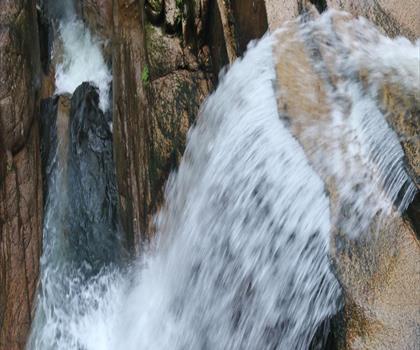
Sabbaday Falls
White Mountains
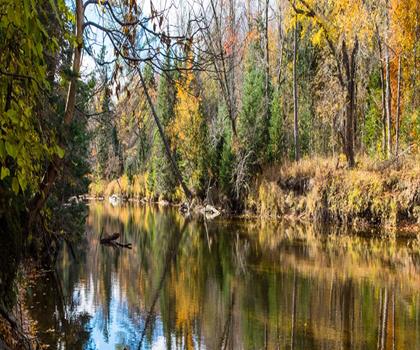
Swift River
White Mountains
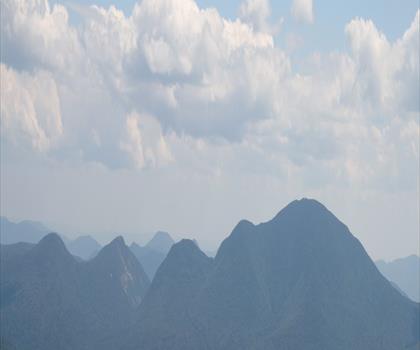
Mt Bond
White Mountains
Hiking near North Conway
0 trails to explore ~43 km away
We work hard to provide the most up-to-date and error-free data possible. If something seems incorrect, let us know! Your contribution helps the whole community.
Hikers' opinions
Be the first to review!
No hiker has shared their experience yet. Share your impressions and help other hikers!