

Ready to explore Jewell Trail? Here's everything you need to know before you go!
Discover the trail
Trail description
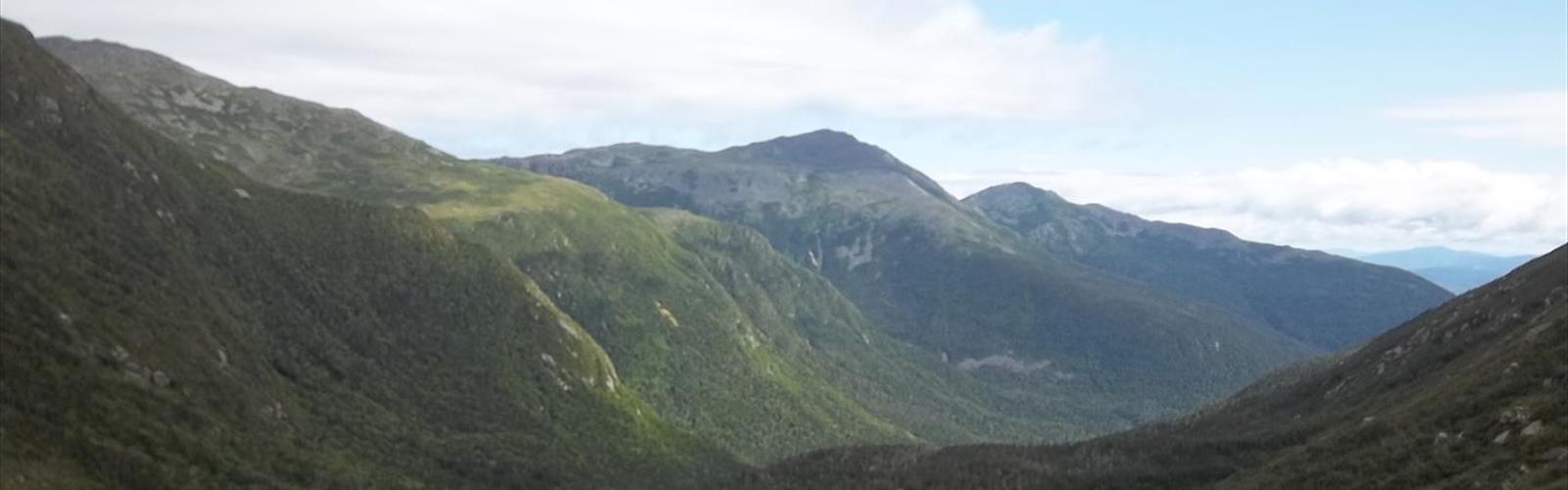
The Jewell Trail stands as one of the White Mountains' most rewarding ascents, offering hikers a challenging yet accessible route through some of New Hampshire's finest mountain terrain. This demanding trail climbs steadily through diverse ecosystems and dramatic landscapes that define this legendary mountain range, making it a substantial day hike that showcases the best of what the region has to offer.
What sets the Jewell Trail apart from other White Mountain routes is its journey through multiple distinct environments as you gain elevation. The trail begins in dense mixed forests where towering white pines and northern hardwoods create a cathedral-like canopy overhead. The forest floor here is rich with ferns and wildflowers during the growing season, and the sound of rushing water often accompanies hikers as the trail follows and crosses several mountain streams and rivers.
As you climb higher, the character of the landscape transforms dramatically. The hardwood forests gradually give way to boreal spruce and fir, and the understory becomes more sparse and alpine in nature. This transition zone offers some of the most beautiful scenery along the entire route, where hikers can observe the clear demarcation between forest types that occurs with elevation in the White Mountains.
The upper sections of the trail provide increasingly spectacular views of the surrounding mountain peaks. Unlike some White Mountain trails that save all their views for the summit, the Jewell Trail offers glimpses of the dramatic ridgelines and valleys throughout the ascent. These viewpoints serve as natural rest stops and photo opportunities, breaking up what can be a demanding climb with moments of pure mountain beauty.
Trail Experience and Terrain
The Jewell Trail's substantial elevation gain is distributed over its length, creating a sustained but manageable grade for most hikers in good physical condition. The trail surface varies considerably, from well-maintained dirt paths in the lower elevations to rockier, more technical terrain as you approach the higher reaches. Expect to encounter roots, rocks, and occasional muddy sections, particularly after rain or during spring snowmelt.
Water crossings are a notable feature of this trail, with several river and stream crossings that can range from simple rock-hops during dry conditions to more challenging fords during high water periods. These crossings add an element of adventure to the hike while providing opportunities to refill water bottles from pristine mountain sources. During spring runoff or after heavy rains, some crossings may require careful navigation and potentially wet feet.
The trail's popularity means you'll encounter well-worn paths and clear blazing throughout most of the route. However, the upper elevations can present navigation challenges during poor weather conditions, as is common with many White Mountain trails above treeline. The path becomes more exposed and rocky as you gain elevation, requiring increased attention to footing and route-finding.
Physical Demands and Preparation
This trail demands respect and proper preparation. The combination of distance and elevation gain makes it a serious undertaking that will challenge even experienced hikers. The sustained climbing requires good cardiovascular fitness and strong legs, while the varied terrain tests balance and agility. Hikers should be comfortable with extended periods of uphill hiking and prepared for potentially slippery conditions on wet rocks and roots.
The technical difficulty increases in the upper sections where the trail becomes rockier and more exposed. Hand-over-hand scrambling isn't typically required, but sure footing becomes increasingly important as the consequences of a slip become more serious. The combination of fatigue from the long ascent and more challenging terrain requires hikers to maintain focus throughout the climb.
Seasonal Considerations and Timing
The Jewell Trail experiences heavy use, particularly on weekends when parking areas fill early and the trail can become quite crowded. Weekday hiking offers a more solitary experience and better opportunities to appreciate the natural quiet of the mountain environment. Early morning starts are recommended not just for parking availability but also to avoid afternoon thunderstorms that are common during summer months.
Weather conditions in the White Mountains can change rapidly, especially at higher elevations. Temperatures will be significantly cooler than at the trailhead, and wind exposure increases dramatically in the upper sections. Hikers should prepare for conditions that may be significantly colder than valley temperatures, even during summer months.
The trail's length and elevation gain make it a full-day commitment for most hikers. Many visitors should plan for a substantial time investment to complete the round trip, especially when factoring in time for rest stops, photography, and enjoying the summit experience. Starting early allows for a more relaxed pace and reduces the risk of hiking in darkness on the return journey.
What Makes This Trail Special
Beyond its physical challenges and scenic rewards, the Jewell Trail offers hikers a comprehensive White Mountain experience. The combination of forest hiking, water features, and mountain views creates a diverse adventure that showcases why this region attracts outdoor enthusiasts from around the world. Each section of the trail presents different challenges and rewards, keeping the experience engaging throughout the long ascent.
The trail's passage through pristine mountain forests provides opportunities for wildlife observation, from common forest birds to the occasional moose or black bear sighting. The varied habitats along the route support different species at different elevations, making this an excellent trail for nature enthusiasts beyond just peak-baggers. Early morning and late afternoon hikers have the best chances for wildlife encounters.
The river and stream environments along the trail create cool microclimates that support unique plant communities and provide refreshing spots during warm weather hiking. These water features also contribute to the trail's photogenic qualities, with numerous opportunities for capturing the interplay of water, forest, and mountain landscapes. The sound of flowing water provides a natural soundtrack that enhances the wilderness experience.
From the higher elevations, the views encompass multiple mountain peaks and valleys, providing context for the Jewell Trail's place within the broader White Mountain ecosystem. These vistas help hikers understand the scale and grandeur of the region while offering clear day views that can extend for great distances across New Hampshire's mountainous landscape.
The trail's well-established nature means it offers a challenging but relatively straightforward mountain hiking experience for those ready to tackle a serious White Mountain adventure. The clear path, regular use, and established route make it less intimidating than some of the region's more remote or technical trails, while still providing a genuine mountain experience that will test and reward hikers who make the effort to complete this demanding journey through some of New Hampshire's most beautiful mountain terrain.
The Essential Hiking Checklist
Everything you need for your next hike. Bilingual, printable, 1 page.
Get your free hiking checklistRecommended gear for this trail
As an Amazon Associate I earn from qualifying purchases.


Ready to go?
Everything you need to know before you goStarting Point
The jewell trail is located in the town of Rumney, New Hampshire. To get to the start of the trails, take exit 26 off of I-93 and head east on NH 112. The trailhead will be on your left after about 2 miles.
When?
How much?
As an Amazon Associate I earn from qualifying purchases.
Affiliate links — LGPO may earn a commission at no extra cost to you.
- Hiking shoes Essential
- → Salomon Elixir Tour Mid WP · 203.38 $
- Layered clothing Essential
- Rain jacket Essential
- Trekking poles
- → Black Diamond Trail Ergo Cork · 69.99 $
- Headlamp
- → Petzl Actik Core 625 · 103.95 $
FAQ - Frequently asked questions
Everything you need to knowSimilar hikes nearby
Discover other trails you might enjoy

Crawford
White Mountains
Presidential Range Rail Trail
White Mountains
Welch-Dickey Trailhead
White Mountains
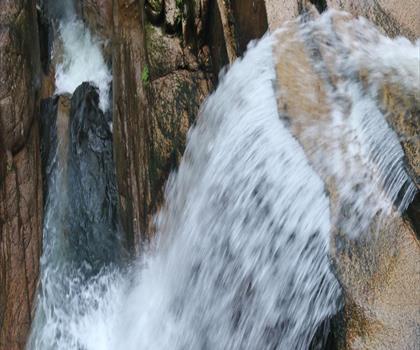
Sabbaday Falls
White Mountains
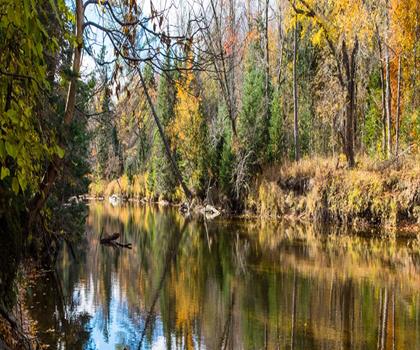
Swift River
White Mountains
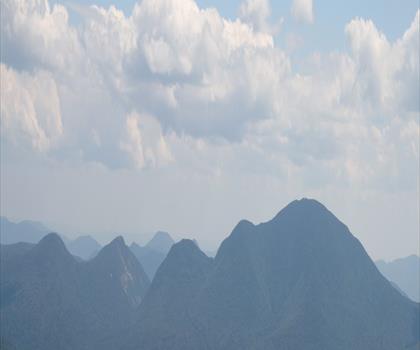
Mt Bond
White Mountains
Hiking near North Conway
0 trails to explore ~30 km away
We work hard to provide the most up-to-date and error-free data possible. If something seems incorrect, let us know! Your contribution helps the whole community.
Hikers' opinions
Be the first to review!
No hiker has shared their experience yet. Share your impressions and help other hikers!