
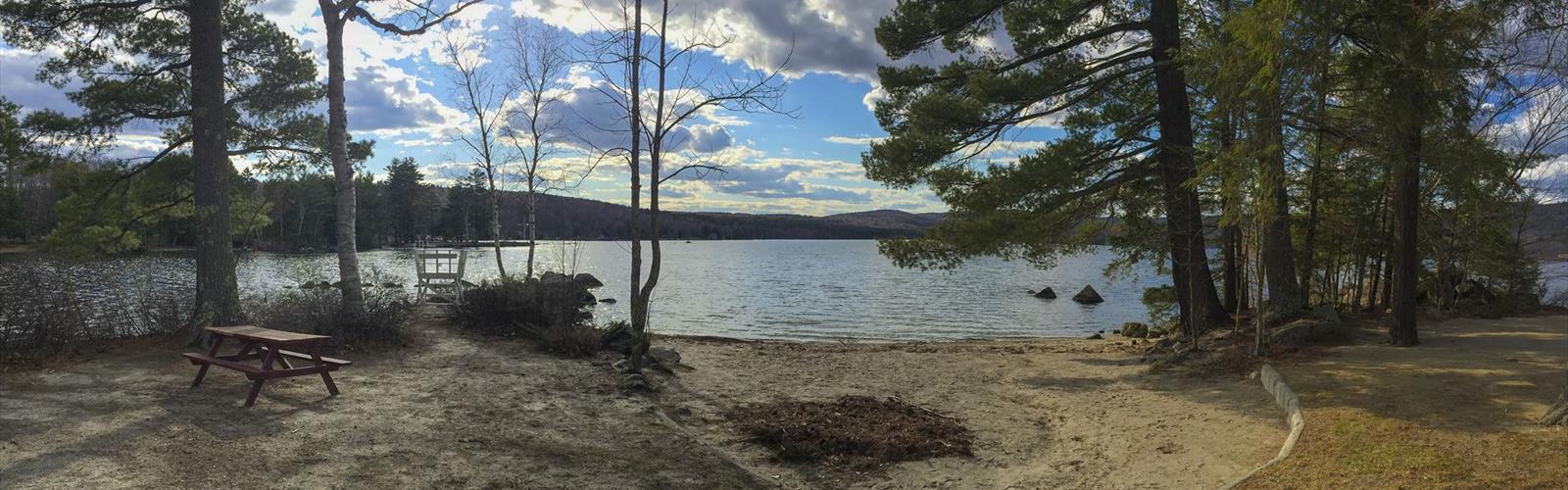

Ready to explore Lincoln Trail? Here's everything you need to know before you go!
Discover the trail
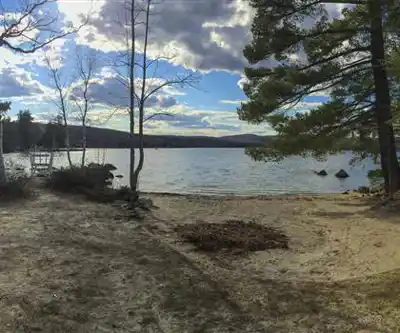
Trail description
The Lincoln Trail is a solid moderate hike in the White Mountains of New Hampshire, covering 4.8 km with 335 meters of elevation gain. At an estimated 2.5 hours round trip, it hits a sweet spot that works well for hikers who want a genuine mountain experience without committing to a full-day sufferfest. The trail earns its moderate rating through consistent, steady climbing rather than any technical difficulty — you're working the whole time, but nothing here requires scrambling experience or specialized gear.
What the Terrain Actually Feels Like
The lower sections of the Lincoln Trail move through classic White Mountains forest — a mix of hardwoods and conifers where maples, birches, and pines dominate the canopy. The understory is thick enough that you feel genuinely immersed in the woods, with dappled light filtering through and moss covering most of the rocks and fallen logs along the trail edges. It's the kind of forest that stays noticeably cooler than the surrounding valleys, which makes the first stretch of climbing more comfortable than you might expect.
As you gain elevation, the character of the trail shifts. The tree cover begins to thin, the granite starts showing up more prominently underfoot, and you start getting glimpses of what's ahead. The trail surface throughout includes the typical White Mountains mix: root networks crossing the path, occasional muddy patches after rain, and granite outcroppings that require some attention to foot placement. None of it is intimidating, but wet rock in particular demands care — the granite here can be slippery, and rushing through those sections is how people turn a good hike into a bad day.
Elevation and Views
The 335-meter elevation gain over 4.8 km gives the Lincoln Trail a consistent uphill feel without any punishing steep pitches. The grade is steady and manageable, which means you can find a rhythm and maintain it rather than stopping every few minutes to catch your breath on a brutal section. That said, you will feel the climbing — this isn't a flat nature walk, and hikers who underestimate the cumulative effect of sustained elevation gain sometimes find the return trip more demanding than expected.
The payoff at the top is the kind of open, elevated perspective that makes White Mountains hiking worth the effort. The views from the higher sections of the trail extend across the surrounding ridgelines and peaks, giving you a real sense of the scale of this mountain system. On clear days the visibility is excellent, and the Presidential Range provides a dramatic backdrop that puts your position in context. Weather in the White Mountains can shift quickly, so conditions at the upper sections of the trail may differ significantly from what you experienced at the trailhead — moving clouds and changing light can actually make the views more dynamic rather than less interesting.
Wildlife and Natural Features
The forested sections of the Lincoln Trail support the kind of wildlife you'd expect from healthy White Mountains habitat. Squirrels are a constant presence, often heard chattering before they're spotted. Bird activity is consistent through the lower elevations, with songbirds audible throughout the forested sections. The transition zones where the forest begins to open up tend to be the most active areas for wildlife observation, as the edge habitat supports a wider variety of species than either the dense forest or the exposed upper sections alone.
The plant communities along the trail shift noticeably with elevation. The rich understory vegetation of the lower forest gives way to hardier, more exposed species as you climb. Rocky outcrops host specialized plants adapted to thin soil and increased wind exposure — these areas are worth a closer look if you're interested in the botanical side of mountain hiking.
Practical Information
Sturdy hiking boots are the right call for the Lincoln Trail. The combination of root-crossed trail surfaces, granite outcroppings, and potentially muddy sections means trail runners or casual footwear will leave you working harder than necessary and increase your slip risk on wet rock. Good ankle support and reliable traction make a real difference here.
Carry all the water you'll need from the trailhead — the trail doesn't offer reliable water sources along the way. For a 2.5-hour hike with 335 meters of climbing, plan for more than you think you'll need, especially in warmer months when the sustained effort increases your consumption faster than expected.
Layering is worth thinking about even on warm days. The White Mountains are known for rapid weather changes, and temperatures at the upper sections of the trail can be meaningfully cooler than at the trailhead, with wind adding to the chill. A packable mid-layer takes up almost no space and can make the difference between a comfortable summit stop and a quick retreat.
Starting earlier in the day gives you the best chance at clear views and keeps you ahead of afternoon weather that can build quickly in the mountains. The 2.5-hour estimate is reasonable for a moderate pace with short breaks, but factor in your own fitness level and how much time you want to spend at the top before committing to a start time.
The Essential Hiking Checklist
Everything you need for your next hike. Bilingual, printable, 1 page.
Get your free hiking checklistRecommended gear for this trail
As an Amazon Associate I earn from qualifying purchases.


Ready to go?
Everything you need to know before you goStarting Point
The lincoln trail is located in the White Mountain National Forest in New Hampshire. The easiest way to get there is to take Route 3 north from Conway, NH. The trailhead is located on the east side of the road about 2 miles north of the intersection of Routes 3 and 16.
When?
How much?
As an Amazon Associate I earn from qualifying purchases.
Affiliate links — LGPO may earn a commission at no extra cost to you.
- Hiking shoes Essential
- → Salomon Elixir Tour Mid WP · 203.38 $
- Layered clothing Essential
- Rain jacket Essential
- Trekking poles
- → Black Diamond Trail Ergo Cork · 69.99 $
- Headlamp
- → Petzl Actik Core 625 · 103.95 $
FAQ - Frequently asked questions
Everything you need to knowSimilar hikes nearby
Discover other trails you might enjoy

Crawford
White Mountains
Presidential Range Rail Trail
White Mountains

Welch-Dickey Trailhead
White Mountains
Sabbaday Falls
White Mountains
Swift River
White Mountains
Mt Bond
White Mountains
Hiking near Concord
0 trails to explore ~35 km away
We work hard to provide the most up-to-date and error-free data possible. If something seems incorrect, let us know! Your contribution helps the whole community.
Hikers' opinions
Be the first to review!
No hiker has shared their experience yet. Share your impressions and help other hikers!