

Ready to explore Livermore N Trailhead? Here's everything you need to know before you go!
Discover the trail
Trail description
The Livermore N Trailhead sits quietly in New Hampshire's White Mountain National Forest, serving as a launching point for hikers who want to explore some of the region's more secluded terrain. Unlike the crowded parking lots at popular destinations like Mount Washington or Franconia Notch, this trailhead offers access to a network of paths that see fewer boots, making it an excellent choice for those seeking a more peaceful mountain experience.
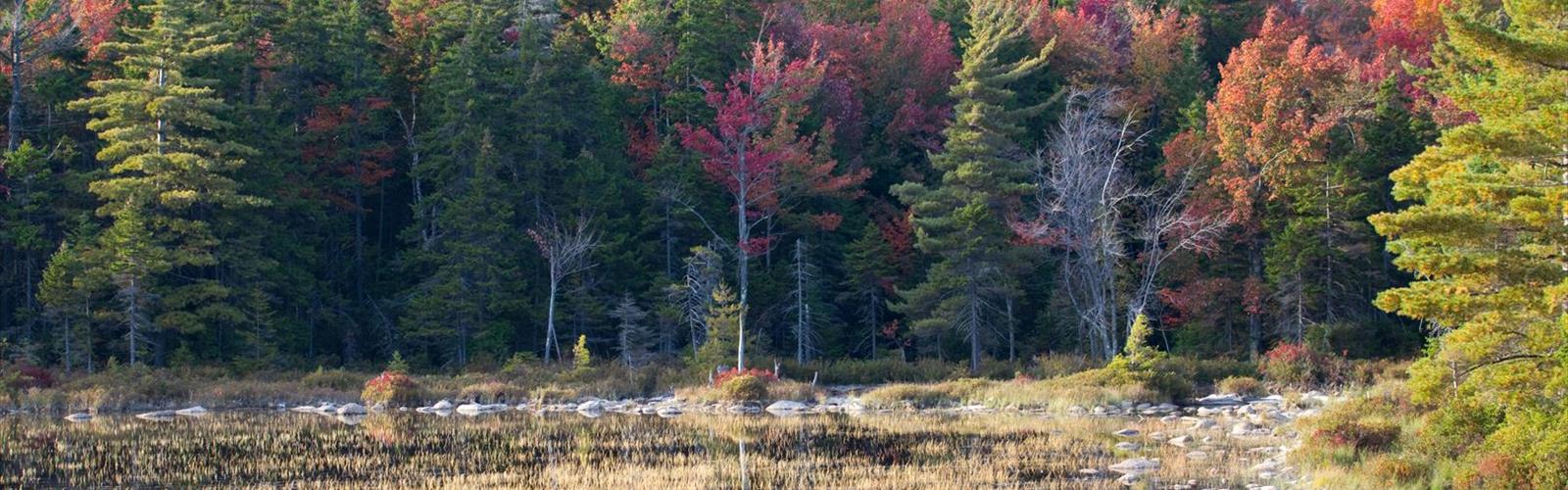
From the moment you step out of your car, you'll notice the difference. The forest here feels older, with towering hardwoods and conifers creating a natural cathedral overhead. The trails that branch out from this starting point wind through diverse terrain that showcases the White Mountains' varied ecosystems. You'll move through dense woodland sections where the canopy filters sunlight into dappled patterns on the forest floor, then emerge into more open areas where mountain views begin to reveal themselves.
Trail Network and Terrain
The trail system accessible from Livermore N caters to different hiking preferences and abilities. The lower elevation paths meander through serene woodlands, following gentle grades that make for comfortable walking. These routes are perfect for hikers who want to enjoy the forest atmosphere without the strain of steep climbs. The terrain here consists of well-established dirt paths with occasional rocky sections and root systems that require basic attention to footing.
For hikers seeking more challenge, several trails branch upward toward higher elevations. The moderate difficulty rating reflects the balanced nature of these routes, which gain 457 meters of vertical rise over 8.5 kilometers of hiking. These ascending routes become progressively more demanding, with steeper grades and rockier terrain that will test your endurance and require sturdy footwear. The payoff comes in the form of panoramic mountain views that open up as you climb above the treeline.
The diverse landscapes you'll encounter include classic New England mixed forests dominated by maple, birch, and beech trees that put on spectacular color displays during fall months. Coniferous sections feature spruce and fir that provide year-round greenery and shelter for local wildlife. Stream crossings add variety to the hiking experience, with clear mountain water providing natural rest stops and photo opportunities.
Wildlife and Natural Features
The White Mountain National Forest around Livermore N supports a healthy population of wildlife that hikers often encounter. White-tailed deer are common sights, especially during early morning or late afternoon hikes. Black bears inhabit the area, though they typically avoid human contact. Smaller mammals like red squirrels, chipmunks, and various bird species create the soundtrack for your hike with their calls and movements through the trees.
The forest's natural features extend beyond just trees and animals. Rocky outcroppings provide geological interest and occasional viewpoints, while seasonal waterfalls and streams add movement and sound to the landscape. During spring snowmelt and after heavy rains, these water features become particularly impressive, though they may also affect trail conditions and stream crossings.
Hiking Experience and Duration
Most hikers can expect to spend around 3 hours exploring the main route from Livermore N, though your actual time will depend on which paths you choose and how often you stop to enjoy the scenery. The variety of available trails means you can customize your experience based on your energy level, available time, and hiking goals for the day.
The moderate difficulty level makes this trailhead accessible to hikers with basic experience who are comfortable with sustained uphill sections and varied terrain. You don't need to be an expert mountaineer, but you should be prepared for a workout, especially on the sections that gain elevation steadily through the forest.
The higher elevation destinations make excellent spots for extended breaks or picnic lunches. These viewpoints offer sweeping vistas of the surrounding White Mountain peaks, providing context for your location within this extensive mountain range. The views change with the seasons, from the fresh greens of spring through the brilliant colors of autumn to the stark beauty of winter landscapes.
What Makes This Trail Special
What sets Livermore N apart from busier White Mountain destinations is its sense of solitude. You're more likely to hear the wind through the trees than the chatter of other hikers. This quieter atmosphere allows for better wildlife viewing opportunities and creates space for the kind of contemplative hiking experience that draws many people to the mountains in the first place.
The trail network here also offers flexibility that many single-destination hikes don't provide. You can turn around early if conditions or energy levels dictate, or extend your adventure by exploring connecting paths. This adaptability makes it an excellent choice for groups with varying fitness levels or for days when you want to let the mountain experience unfold naturally rather than committing to a specific summit or endpoint.
Practical Considerations
Proper preparation enhances your experience at Livermore N significantly. Water is essential, as the physical demands of hiking, especially on the ascending trails, will increase your fluid needs throughout the day. Pack more than you think you'll need, particularly during warmer months or if you plan to tackle the higher elevation routes.
Footwear deserves careful consideration. While the gentler woodland paths don't require specialized hiking boots, the more challenging terrain on ascending trails features loose rocks, roots, and potentially muddy sections that demand shoes with good traction and ankle support. The rugged nature of some paths makes sturdy footwear a safety consideration rather than just a comfort issue.
Weather conditions can change quickly in the White Mountains, so check forecasts before heading out and be prepared for temperature variations, especially if you plan to reach higher elevations where conditions can differ significantly from the trailhead. The combination of elevation gain and exposure means that what starts as a pleasant day at the parking area can become challenging weather higher up on the mountain.
Following Leave No Trace principles helps preserve this pristine environment for future visitors. Pack out all trash, stay on established trails to prevent erosion, and respect wildlife by observing from a distance. The relatively unspoiled nature of this area depends on every hiker taking responsibility for minimal impact practices.
The Essential Hiking Checklist
Everything you need for your next hike. Bilingual, printable, 1 page.
Get your free hiking checklistRecommended gear for this trail
As an Amazon Associate I earn from qualifying purchases.


Ready to go?
Everything you need to know before you goStarting Point
The livermore n trailhead is located in Livermore, New Hampshire. To get there, take Route 101 to the junction with Route 9. Head east on Route 9 for about 2 miles until you reach the trailhead on the left.
When?
How much?
As an Amazon Associate I earn from qualifying purchases.
Affiliate links — LGPO may earn a commission at no extra cost to you.
- Hiking shoes Essential
- → Salomon Elixir Tour Mid WP · 203.38 $
- Layered clothing Essential
- Rain jacket Essential
- Trekking poles
- → Black Diamond Trail Ergo Cork · 69.99 $
- Headlamp
- → Petzl Actik Core 625 · 103.95 $
FAQ - Frequently asked questions
Everything you need to knowSimilar hikes nearby
Discover other trails you might enjoy

Crawford
White Mountains
Presidential Range Rail Trail
White Mountains
Welch-Dickey Trailhead
White Mountains
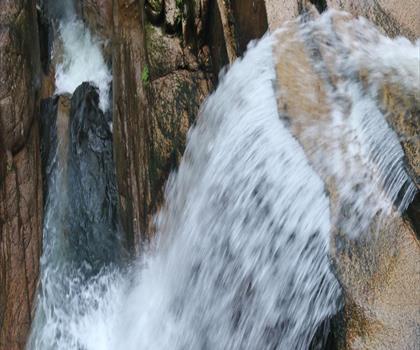
Sabbaday Falls
White Mountains
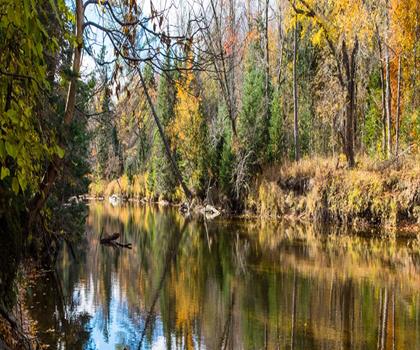
Swift River
White Mountains

Mt Bond
White Mountains
Hiking near North Conway
0 trails to explore ~26 km away
We work hard to provide the most up-to-date and error-free data possible. If something seems incorrect, let us know! Your contribution helps the whole community.
Hikers' opinions
Be the first to review!
No hiker has shared their experience yet. Share your impressions and help other hikers!