


Ready to explore Loon Mountain? Here's everything you need to know before you go!
Discover the trail



Trail description
Loon Mountain rises to 3,050 feet in Lincoln, New Hampshire, within the expansive White Mountain National Forest of Grafton County. While most visitors know this peak for its bustling ski resort—New Hampshire's most popular winter destination—the mountain offers year-round outdoor recreation opportunities that extend far beyond the slopes.
The mountain's defining feature is its impressive 2,109-foot vertical drop, ranking as the tenth largest in all of New England. This substantial elevation change creates diverse terrain zones as you ascend, from dense hardwood forests at the base through mixed coniferous stands toward the summit. The hiking experience here differs markedly from many White Mountain peaks due to the ski resort infrastructure, which provides unique access options and viewpoints not found on traditional wilderness trails.
The Hiking Experience
Hiking Loon Mountain typically takes 3 to 4 hours round trip, with an elevation gain of approximately 934 meters. The terrain is considered manageable for most hikers, making it an excellent choice for families or those newer to White Mountain hiking. The trail network benefits from the resort's maintenance, resulting in well-marked paths that are generally easier to follow than some of the region's more remote routes.
The ascent begins in mixed hardwood forest typical of the White Mountains, where maple, birch, and oak create a canopy that transforms dramatically with the seasons. Spring brings emerging wildflowers and the fresh green of new leaves, while autumn delivers some of New Hampshire's most spectacular foliage displays. As you climb higher, the forest composition shifts to include more spruce and fir, creating the classic North Country atmosphere that defines this region.
What sets Loon Mountain apart from purely wilderness hikes is the interesting blend of natural beauty and human engineering. The ski trails cut wide swaths through the forest, creating open corridors that offer expansive views during the climb—vistas that would otherwise be hidden until reaching the summit. These clearings also provide excellent opportunities for wildlife viewing, as deer and other animals often graze in the open areas during quieter periods.
Summit Views and Terrain
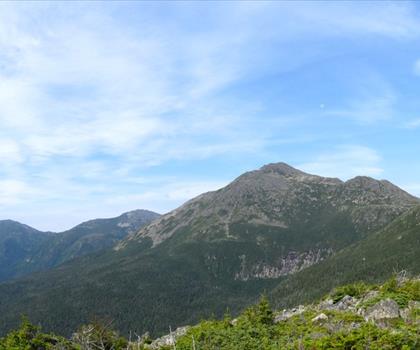
The summit area of Loon Mountain provides panoramic views across the White Mountain National Forest, with sight lines extending to neighboring peaks and valleys that showcase the rugged character of central New Hampshire. The elevation of 3,050 feet places you well above the surrounding landscape, offering perspective on the Pemigewasset River valley and the network of peaks that define this section of the White Mountains.
The summit terrain itself reflects the mountain's dual nature as both natural peak and recreational facility. While you'll find the typical rocky outcrops and stunted vegetation of a New Hampshire summit, you'll also encounter the infrastructure that supports the ski resort's operations. This unique combination creates an interesting hiking destination that differs from the pure wilderness experience found on many other regional peaks.
Seasonal Considerations
The hiking season on Loon Mountain extends from late spring through fall, with each season offering distinct advantages. Summer provides the most stable weather and longest daylight hours, making it ideal for leisurely exploration of the mountain's trail network. The resort's summer operations, including the notable Guest Train Engineer Program, add an unusual dimension to the mountain experience—visitors can actually learn to operate a live steam locomotive on the narrow gauge J.E. Henry Railway.
Fall hiking on Loon Mountain coincides with New England's famous foliage season, when the hardwood forests explode in brilliant reds, oranges, and yellows. The ski trail clearings provide exceptional vantage points for foliage photography and viewing. Winter hiking is possible but requires careful consideration of ski resort operations and appropriate winter gear, as the mountain transforms into one of New Hampshire's busiest winter sports destinations.
Access and Facilities
Loon Mountain's location in Lincoln provides convenient access via well-maintained roads, making it more accessible than many White Mountain destinations. The resort infrastructure means that basic facilities like parking and restrooms are readily available, eliminating some of the logistical challenges associated with more remote hiking destinations.
The mountain's position within the White Mountain National Forest ensures protection of the surrounding ecosystem while providing the recreational opportunities that make this region famous among outdoor enthusiasts. The forest setting supports diverse wildlife populations, and hikers often encounter various bird species, small mammals, and occasionally larger animals like moose or black bear.
Historical Context
The modern character of Loon Mountain reflects its development history, beginning with the ski resort's founding in the 1960s. The resort has evolved significantly over the decades, with major expansions including the addition of four new trails in 2011 and substantial investments in snowmaking infrastructure. Today, the resort features 72 trails, 3 terrain parks, and a half pipe, supported by 600 snow guns that ensure reliable winter conditions.
Ownership changes have shaped the mountain's development, including the 2007 acquisition by Michigan-based Boyne Resorts from Booth Creek Ski Holdings. These transitions have brought continued investment in both winter and summer recreational opportunities, enhancing the mountain's appeal as a year-round destination.
The narrow gauge railway adds a unique historical element to the summer experience, connecting visitors to the region's logging heritage through hands-on operation of authentic steam locomotives. This unusual combination of hiking, scenic views, and historical recreation creates a distinctive mountain experience that stands apart from typical White Mountain destinations.
The Essential Hiking Checklist
Everything you need for your next hike. Bilingual, printable, 1 page.
Get your free hiking checklistRecommended gear for this trail
As an Amazon Associate I earn from qualifying purchases.


Ready to go?
Everything you need to know before you goStarting Point
To access the hiking trails, head to the main parking area located at 60 loon mountain Road, Lincoln, NH 03251. This is the primary starting point for most of the trails in the area.
When?
How much?
As an Amazon Associate I earn from qualifying purchases.
Affiliate links — LGPO may earn a commission at no extra cost to you.
- Hiking shoes Essential
- → Salomon Elixir Tour Mid WP · 203.38 $
- Layered clothing Essential
- Rain jacket Essential
- Trekking poles
- → Black Diamond Trail Ergo Cork · 69.99 $
- Headlamp
- → Petzl Actik Core 625 · 103.95 $
FAQ - Frequently asked questions
Everything you need to knowSimilar hikes nearby
Discover other trails you might enjoy

Crawford
White Mountains
Presidential Range Rail Trail
White Mountains

Welch-Dickey Trailhead
White Mountains

Sabbaday Falls
White Mountains

Swift River
White Mountains

Mt Bond
White Mountains
Hiking near North Conway
0 trails to explore ~40 km away
We work hard to provide the most up-to-date and error-free data possible. If something seems incorrect, let us know! Your contribution helps the whole community.
Hikers' opinions
Be the first to review!
No hiker has shared their experience yet. Share your impressions and help other hikers!