
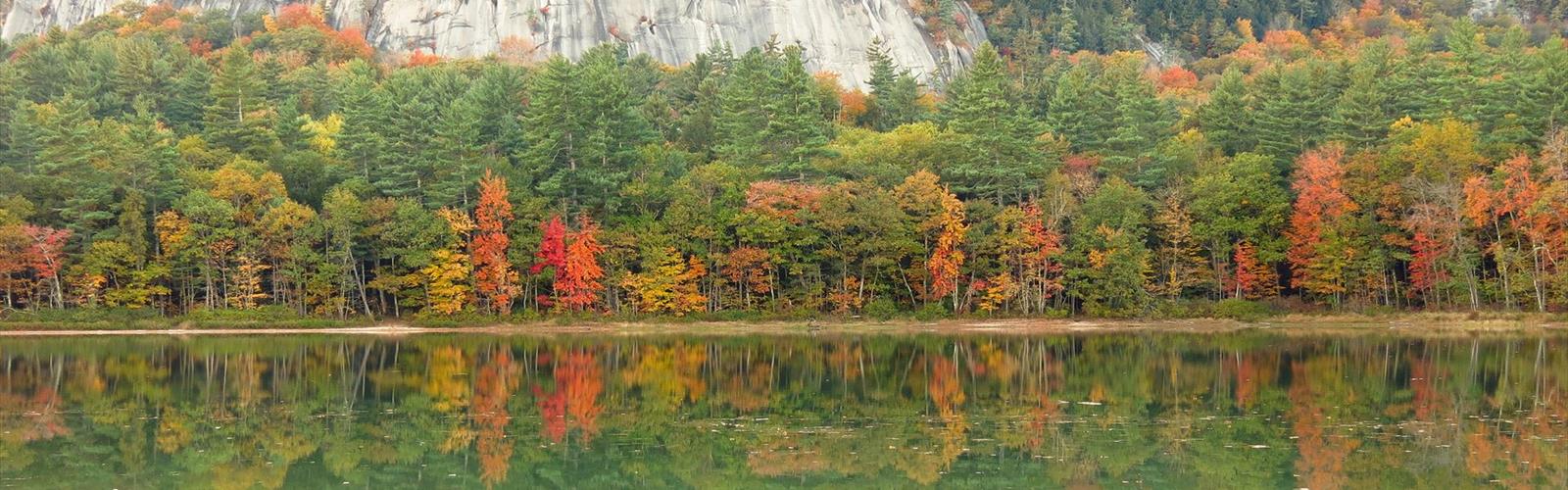

Ready to explore Moat Mountain Mineral Site Trailhead? Here's everything you need to know before you go!
Discover the trail
Trail description
The Moat Mountain Mineral Site Trailhead is a rewarding starting point for one of the more distinctive hikes in the White Mountains of New Hampshire. This trail combines a solid physical challenge with genuine geological interest — the mineral site itself is a real draw for hikers who appreciate more than just summit views. At 9.7 km with 823 m of elevation gain, rated Hard, and clocking in around 5 hours 30 minutes, this is a full-day commitment that earns its difficulty rating.
The Terrain
The trail works through classic White Mountains terrain — rocky footing, rooted paths through mixed forest, and sections that demand your full attention underfoot. The elevation gain of 823 m is distributed in a way that keeps the climb honest throughout rather than front-loading all the hard work. Expect a mix of moderate grades and steeper pitches as you move through the forest and up toward the higher ground associated with the Moat Mountain range.
The trail surface transitions as you gain elevation. Lower sections tend to be softer underfoot with more organic material, while higher sections become progressively rockier and more exposed. Trekking poles are a practical choice here, particularly on the descent when tired legs meet uneven rock.
The Mineral Site
What sets this trailhead apart from a standard White Mountains summit hike is the mineral site itself. The Moat Mountain area is known among rockhounds and geology enthusiasts for its mineral deposits, and the trail leads to a site where this geological character is on full display. This is a legitimate point of interest — not just a scenic overlook, but a place with a specific geological identity that gives the hike a distinct purpose beyond the physical effort.
If you have any interest in rocks, minerals, or the geological history of the White Mountains, this trail delivers something you won't find on most other routes in the region. Even if geology isn't your primary motivation, the landscape shaped by this geology makes for compelling hiking.
What to Expect on the Trail
Plan for a full morning start if you want to complete the 9.7 km round trip comfortably within the estimated 5h30. The White Mountains have a way of stretching estimated times when conditions are wet, when you stop to take in views, or when the rocky terrain slows your pace on the descent. Building in a buffer is always smart here.
The forest cover provides shade through much of the lower and mid sections of the trail, which is welcome on warm summer days. As you gain elevation, the tree cover thins and the character of the hike shifts. The Moat Mountain area offers views that reward the effort, with the surrounding White Mountains landscape opening up as you climb.
Practical Information
- Distance: 9.7 km
- Elevation gain: 823 m
- Difficulty: Hard
- Estimated time: 5 hours 30 minutes
- Region: White Mountains, New Hampshire
Footwear matters on this trail — waterproof hiking boots with solid ankle support are the right call. The rocky and rooted terrain, combined with the elevation gain, makes trail runners a less ideal choice unless you're an experienced mountain runner comfortable on technical ground. Carry enough water for the full duration; the 5h30 estimate assumes a steady pace and the White Mountains sun can be more intense at elevation than it feels at the trailhead.
Getting There
The trailhead is located in the White Mountains region of New Hampshire. As with most White Mountains trailheads, confirm current road and parking conditions before heading out, particularly in shoulder seasons when access roads can be affected by weather or maintenance. The White Mountain National Forest manages much of the surrounding land, and a recreation pass may be required for parking depending on the specific lot used — check current requirements before your visit.
Best Seasons
Summer and fall are the prime windows for this hike. Fall in the White Mountains is particularly compelling — the foliage in this region is among the best in New England, and the Moat Mountain area is no exception. Spring hiking is possible but the trail can be muddy and wet well into May, and higher elevations may retain snow and ice longer than expected. Winter travel on this route requires full winter mountaineering preparedness given the elevation gain and remote character of the terrain.
Whatever season brings you to the Moat Mountain Mineral Site Trailhead, the combination of geological interest and genuine White Mountains terrain makes this a hike that stands out in a region already full of excellent options.
The Essential Hiking Checklist
Everything you need for your next hike. Bilingual, printable, 1 page.
Get your free hiking checklistRecommended gear for this trail
As an Amazon Associate I earn from qualifying purchases.


Ready to go?
Everything you need to know before you goStarting Point
The moat mountain mineral site trailhead is located in North Conway, New Hampshire. From North Conway, take Route 16 east for 2.5 miles. The trailhead will be on the left.
When?
How much?
As an Amazon Associate I earn from qualifying purchases.
Affiliate links — LGPO may earn a commission at no extra cost to you.
- Hiking shoes Essential
- → Salomon Elixir Tour Mid WP · 203.38 $
- Layered clothing Essential
- Rain jacket Essential
- Trekking poles
- → Black Diamond Trail Ergo Cork · 69.99 $
- Headlamp
- → Petzl Actik Core 625 · 103.95 $
FAQ - Frequently asked questions
Everything you need to knowSimilar hikes nearby
Discover other trails you might enjoy

Crawford
White Mountains
Presidential Range Rail Trail
White Mountains
Welch-Dickey Trailhead
White Mountains
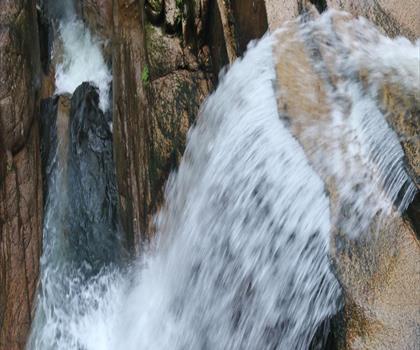
Sabbaday Falls
White Mountains
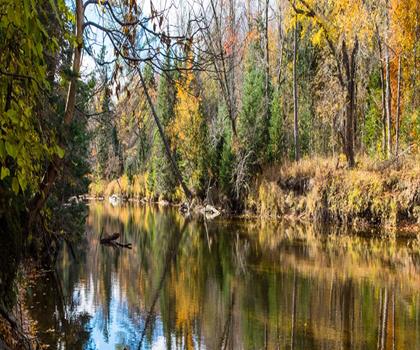
Swift River
White Mountains
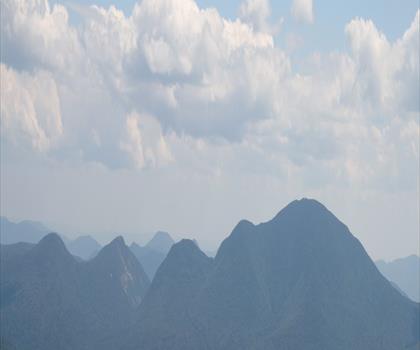
Mt Bond
White Mountains
Hiking near North Conway
0 trails to explore ~5 km away
We work hard to provide the most up-to-date and error-free data possible. If something seems incorrect, let us know! Your contribution helps the whole community.
Hikers' opinions
Be the first to review!
No hiker has shared their experience yet. Share your impressions and help other hikers!