

Ready to explore Mount Jefferson View? Here's everything you need to know before you go!
Discover the trail
Trail description
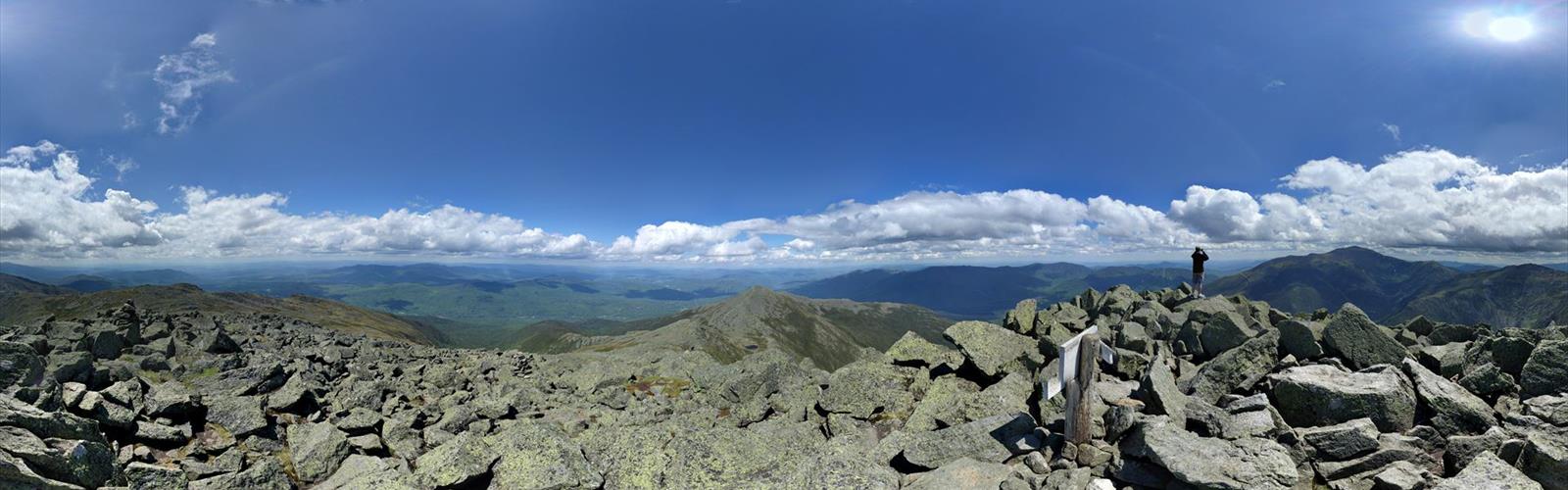
Mount Jefferson View delivers one of the most rewarding hiking experiences in New Hampshire's White Mountains, combining challenging terrain with spectacular Presidential Range vistas. This destination attracts serious hikers seeking both technical climbing challenges and some of the region's most dramatic mountain scenery, where Mount Jefferson's imposing profile anchors views that stretch across multiple peaks and valleys.
The area showcases the White Mountains' signature granite landscape, where massive boulder fields and exposed rock slabs create a rugged alpine environment. What sets Mount Jefferson View apart is how it offers multiple ways to experience this terrain - from technical scrambling routes that test your climbing skills to gentler forest approaches that let you ease into the mountain environment at your own pace.
Trail Character and Terrain
The Caps Ridge Trail represents the crown jewel of routes in this area, delivering an authentic White Mountains climbing experience that transitions dramatically as you gain elevation. Starting in dense mixed forest, the trail initially follows traditional dirt paths through hardwood and conifer stands where dappled sunlight filters through the canopy. Stream crossings and occasional rocky sections keep things interesting without overwhelming less experienced hikers.
The real adventure begins as you climb higher and encounter the trail's namesake granite "caps" - distinctive rounded rock formations that require careful scrambling and route-finding skills. These exposed granite slabs demand attention to foot placement and weather conditions, as wet rock becomes treacherously slippery. The climbing here feels more like mountaineering than hiking, with each granite dome presenting its own navigation puzzle.
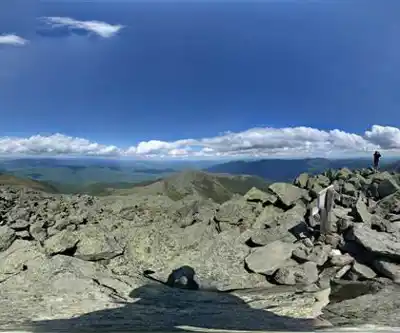
Above treeline, the landscape opens into the harsh beauty of the alpine zone. Stunted krummholz gives way to exposed granite and hardy alpine vegetation that clings to cracks and sheltered spots. The terrain here is unforgiving - all rock, wind, and sky - but the payoff comes in sweeping panoramas that encompass Mount Washington's distinctive summit cone, the Carter Range stretching eastward, and countless peaks rolling toward distant horizons.
For those seeking a more moderate mountain experience, the lower elevation forest trails provide excellent hiking without the technical challenges. These paths wind through mixed woodlands where the understory supports rich fern communities, seasonal wildflowers, and berry bushes that create a constantly changing tapestry throughout the growing season.
The Hiking Experience
Your experience at Mount Jefferson View depends heavily on which elevation zone you choose to explore. In the protected forest sections, hiking feels comfortable and predictable. Well-established trails with good footing let you focus on the surrounding woodland environment, where you might spot white-tailed deer browsing in clearings or hear the distinctive calls of woodpeckers and nuthatches echoing through the trees.
The transition to alpine terrain changes everything. As you climb above treeline on routes like Caps Ridge Trail, you enter an environment where weather rules everything. Temperatures drop noticeably with elevation, winds intensify dramatically, and the lack of shelter means you're completely exposed to whatever conditions the mountains decide to throw at you.
The granite scrambling sections require a different mindset entirely. You'll need to read the rock, plan your moves, and maintain three points of contact on steeper sections. The granite here offers generally good friction when dry, but becomes a serious hazard when wet or icy. Route-finding skills become essential as you navigate between the larger boulder formations and work your way up the granite slabs.
What makes the challenging sections worthwhile is how the views unfold as you climb. You'll catch tantalizing glimpses of surrounding peaks through breaks in the forest, then experience increasingly dramatic vistas as you gain elevation. The final push above treeline rewards your efforts with 360-degree panoramas that showcase why the Presidential Range holds such a revered place among northeastern mountains.
Weather and Seasonal Conditions
The Presidential Range's notorious weather patterns make Mount Jefferson View a destination that demands respect and preparation. Even on days that start with clear skies and calm winds, conditions can deteriorate rapidly. Clouds roll in with little warning, bringing rain, snow, or dangerous winds that can turn a pleasant hike into a survival situation.
Summer and early fall offer the most accessible conditions, with trails generally free of snow and ice. During these months, the alpine areas showcase their subtle beauty - hardy mountain flowers, crystal-clear air, and views that extend for dozens of miles on good weather days. The forest trails remain pleasant well into fall, when the hardwood trees create spectacular displays of autumn color against the evergreen backdrop.
Winter transforms this area into serious mountaineering terrain. Snow and ice cover the trails from late fall through early spring, requiring specialized equipment including crampons, ice axes, and winter mountaineering experience. The Caps Ridge Trail becomes particularly dangerous in winter conditions, with icy granite surfaces and extreme exposure to wind and cold that can create life-threatening situations for unprepared hikers.
Wildlife and Natural Features
The elevation diversity at Mount Jefferson View creates distinct ecological zones that support different wildlife communities. The lower forests host typical northern woodland species - red squirrels chattering from spruce branches, various songbird species, and occasional black bear sign along the trails. The transition zones between forest and alpine areas can be particularly productive for wildlife observation, as animals move between different habitat types.
Higher elevations occasionally provide sightings of ravens and other species adapted to harsh mountain conditions. These birds ride the updrafts along the ridges and seem perfectly at home in conditions that challenge even experienced hikers. The alpine environment itself showcases remarkable plant adaptations, with species that have evolved to survive extreme temperature swings, constant wind, and a growing season measured in weeks rather than months.
Photography and Special Interests
Mount Jefferson View attracts photographers drawn to both intimate forest scenes and dramatic mountain vistas. The granite formations provide compelling foreground elements for mountain photography, while the forest sections offer opportunities to capture the interplay of light and shadow through the canopy. Early morning and late afternoon light creates particularly striking conditions, when the granite glows with warm tones and the surrounding peaks take on dramatic silhouettes.
The peaceful forest settings make excellent spots for quiet contemplation, though visitors must be prepared to pack out all trash and follow Leave No Trace principles religiously. The mountain environment is fragile, particularly in the alpine zones where plants grow slowly and recover slowly from damage. Every footstep matters in these delicate ecosystems.
Planning Your Visit
Most hikers should plan on spending a full day for serious exploration of Mount Jefferson View, though this varies dramatically depending on your chosen objectives and fitness level. A summit attempt via Caps Ridge Trail requires excellent physical conditioning and can take 6-8 hours or more, while forest walks can be adjusted to fit shorter timeframes and different ability levels.
Water sources exist along some trails, but hikers should carry adequate supplies, especially for higher elevation routes where reliable water may not be available. The granite terrain doesn't hold water well, and streams can be scarce during dry periods. Always carry more water than you think you'll need, particularly for the exposed alpine sections where dehydration becomes a serious concern.
The region offers various accommodation options for multi-day visits. Mountain lodges and rustic cabins provide comfortable bases for exploring different areas of the Presidential Range, typically catering to outdoor enthusiasts with amenities like gear drying areas and early breakfast options for hikers planning alpine starts.
The Essential Hiking Checklist
Everything you need for your next hike. Bilingual, printable, 1 page.
Get your free hiking checklistRecommended gear for this trail
As an Amazon Associate I earn from qualifying purchases.


Ready to go?
Everything you need to know before you goStarting Point
The mount jefferson view is located in Jefferson, New Hampshire. To get to the start of the trails, take Route 115 east from Jefferson and turn left onto Randolph Road. The trailhead will be on your right.
When?
How much?
As an Amazon Associate I earn from qualifying purchases.
Affiliate links — LGPO may earn a commission at no extra cost to you.
- Hiking shoes Essential
- → Salomon Elixir Tour Mid WP · 203.38 $
- Layered clothing Essential
- Rain jacket Essential
- Trekking poles
- → Black Diamond Trail Ergo Cork · 69.99 $
- Headlamp
- → Petzl Actik Core 625 · 103.95 $
FAQ - Frequently asked questions
Everything you need to knowSimilar hikes nearby
Discover other trails you might enjoy

Crawford
White Mountains
Presidential Range Rail Trail
White Mountains
Welch-Dickey Trailhead
White Mountains
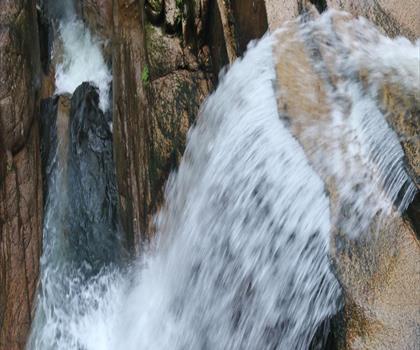
Sabbaday Falls
White Mountains
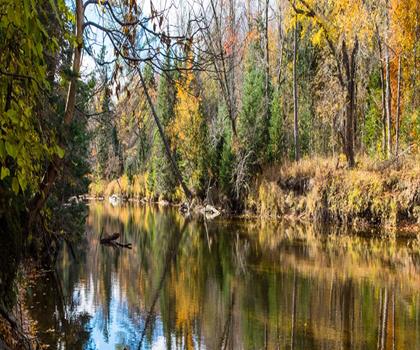
Swift River
White Mountains
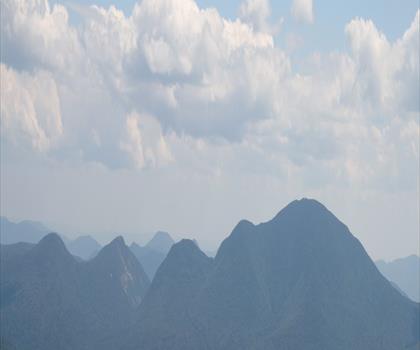
Mt Bond
White Mountains
Hiking near North Conway
0 trails to explore ~39 km away
We work hard to provide the most up-to-date and error-free data possible. If something seems incorrect, let us know! Your contribution helps the whole community.
Hikers' opinions
Be the first to review!
No hiker has shared their experience yet. Share your impressions and help other hikers!