
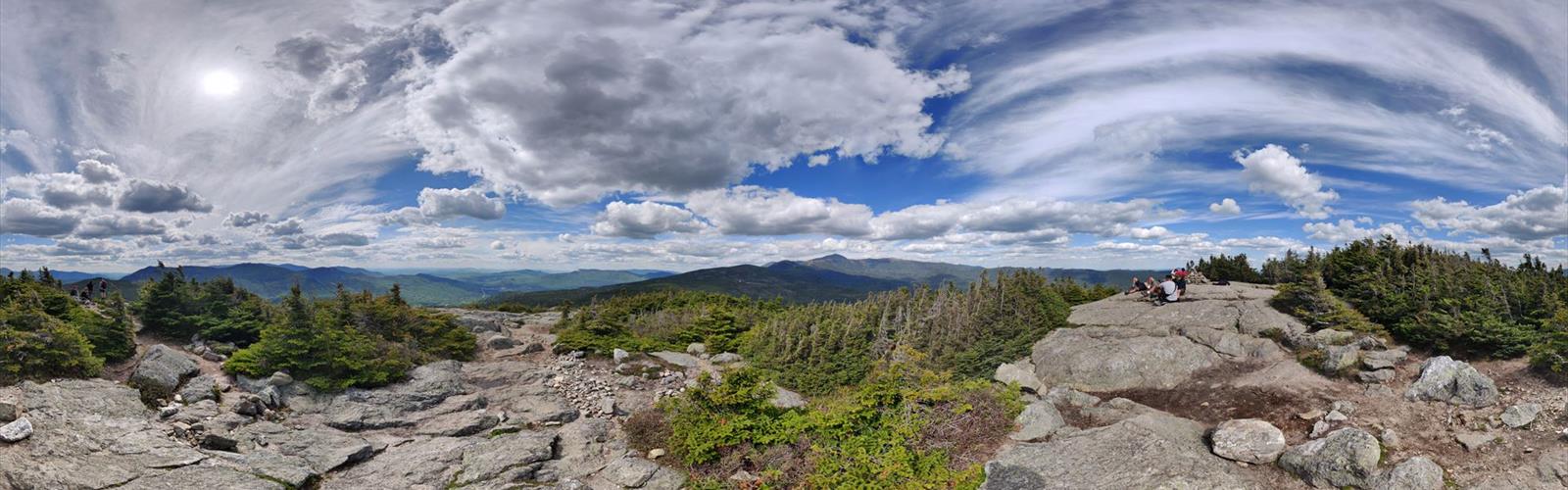

Ready to explore Mt Isolation? Here's everything you need to know before you go!
Discover the trail
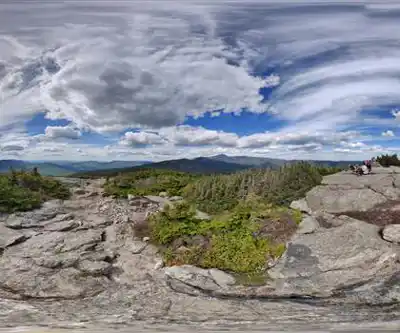
Available trails
| TrailTrails | Dist.Distance | GainElevation | TimeDuration | Difficulty | GPX |
|---|---|---|---|---|---|
|
|
13.38 km | — | 3h | GPX |
GPX track: © OpenStreetMap contributors — ODbL 1.0
Trail description
Mt. Isolation earns its name honestly. This 4,003-foot peak sits on the southern edge of New Hampshire's Presidential Range, tucked within the Presidential Range–Dry River Wilderness of the White Mountain National Forest. Getting there takes real effort—23.3 kilometers round trip with 1,067 meters of elevation gain and roughly 8.5 hours on the trail—but what you get in return is something increasingly hard to find in the White Mountains: genuine solitude and a summit that feels like you actually worked for it.
The mountain's position gives it a distinctive character. While the higher Presidentials draw crowds, Mt. Isolation sits apart, and that separation is exactly the point. From the summit clearing, clear days open up sweeping views of Mt. Washington and the Southern Presidentials, with the Dry River valley stretching out below. Fall foliage season is particularly rewarding, when the hardwood forests across the surrounding ridges light up with color and the views take on an extra dimension.
The Route
The standard approach follows the Rocky Branch Trail to the Isolation Trail, then connects with the Davis Path for the final push to the summit. It's a logical progression that takes you through several distinct forest types and gradually shifts the feel of the hike from accessible to genuinely backcountry.
The Rocky Branch Trail opens things up on an old logging road through dense mixed forest. It's a relatively gentle start—second-growth hardwoods giving way to conifers as you gain elevation. The trail crosses Rocky Branch and several smaller streams along the way, which serve as natural rest stops and water sources for those carrying a filter.
Where the Rocky Branch Trail meets the Isolation Trail, the hike changes character. The terrain gets steeper and the forest gets wilder. Fewer boot prints, larger trees, a more complex understory—this section feels like the wilderness designation is actually doing something. You're moving through forest that hasn't been heavily managed, with standing dead trees and fallen logs that support a noticeably richer habitat.
The final stretch via the Davis Path climbs steadily through spruce-fir forest. The trees get shorter and more wind-shaped as you approach the summit, though Mt. Isolation doesn't reach treeline. The top sits in a small clearing—enough to deliver the views you came for, especially looking north and east toward the Presidential Range.
Terrain and Trail Conditions
The trail surface shifts considerably over the course of the route. The early Rocky Branch section is smooth and relatively easy underfoot. Once you're on the Isolation Trail, expect rockier ground, exposed roots, and muddy patches in the middle elevations where drainage is poor. The upper sections have the granite slabs and boulder fields typical of White Mountain hiking, though nothing that requires technical skill.
Stream crossings deserve attention, particularly in spring or after heavy rain. Rocky Branch is usually manageable, but high water can make it a real obstacle. Check conditions before heading out if there's been significant precipitation.
Weather moves fast in the Whites, and a hike this long means you'll likely see multiple conditions in a single day. The forest covers you from wind for most of the route, but the summit area can be noticeably cooler and breezier than the trailhead. Pack layers and rain gear regardless of what the forecast says when you leave the car.
Wildlife and Natural Features
The remote character of this hike pays off in wildlife encounters. Black bears are active in the area, especially during berry season. Moose tracks show up regularly along the wetter sections of trail. Higher up, the boreal forest brings gray jays and boreal chickadees, along with various woodpeckers and spruce grouse in the denser coniferous sections. The hardwood zones lower down support a good variety of wood warblers during migration.
The Dry River Wilderness designation keeps human impact lower here than on many White Mountain trails. The forest structure reflects that—more natural complexity, more standing dead wood, more of the layered habitat that supports diverse wildlife. It's one of the things that makes this hike feel different from the more trafficked routes in the region.
Planning Your Visit
A dawn start is standard practice for Mt. Isolation. The trailhead parking area is small and fills fast on weekends, especially during peak fall season. Getting there early solves the parking problem and gives you the daylight buffer you'll need for a hike of this length.
Carry at least three liters of water per person, and bring a filter for stream refills along the way. The 8.5-hour estimated duration assumes a solid pace—factor in breaks, stream crossings, and time at the summit, and your day will be full. Bring enough food to sustain that kind of effort: a real lunch plus multiple snacks.
Navigation matters more on this route than on shorter, busier White Mountain hikes. The trail junctions are marked, but the remote location and the fatigue that builds over a long day can lead to mistakes. Carry a map and compass and know how to use them. A headlamp belongs in your pack regardless of your planned finish time—conditions change, and finishing in the dark is a real possibility if anything slows you down.
This is a hard hike by any reasonable standard. The distance, elevation gain, and remote location combine to make it a serious undertaking. Strong hikers who are comfortable in the backcountry and prepared for a full day out will find Mt. Isolation one of the more rewarding summits in the White Mountains.
The Essential Hiking Checklist
Everything you need for your next hike. Bilingual, printable, 1 page.
Get your free hiking checklistRecommended gear for this trail
As an Amazon Associate I earn from qualifying purchases.


Ready to go?
Everything you need to know before you goStarting Point
The Mt. Isolation trails are located in the White Mountain National Forest, near the town of Glencliff, New Hampshire. To get to the start of the trails, take Route 112 north from Conway, NH for about 16 miles. The trailhead is located on the left side of the road, just past the Glencliff Campground.
When?
How much?
As an Amazon Associate I earn from qualifying purchases.
Affiliate links — LGPO may earn a commission at no extra cost to you.
- Hiking shoes Essential
- → Salomon Elixir Tour Mid WP · 203.38 $
- Layered clothing Essential
- Rain jacket Essential
- Trekking poles
- → Black Diamond Trail Ergo Cork · 69.99 $
- Headlamp
- → Petzl Actik Core 625 · 103.95 $
FAQ - Frequently asked questions
Everything you need to knowSimilar hikes nearby
Discover other trails you might enjoy

Crawford
White Mountains
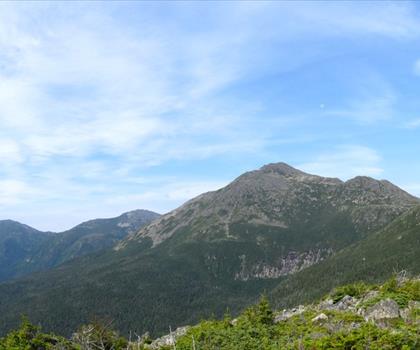
Presidential Range Rail Trail
White Mountains
Welch-Dickey Trailhead
White Mountains
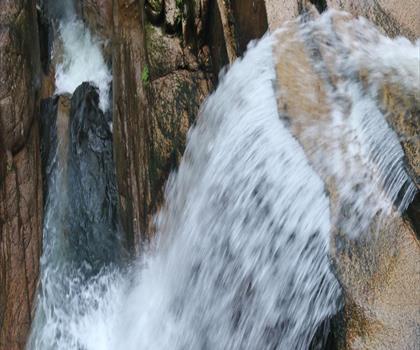
Sabbaday Falls
White Mountains
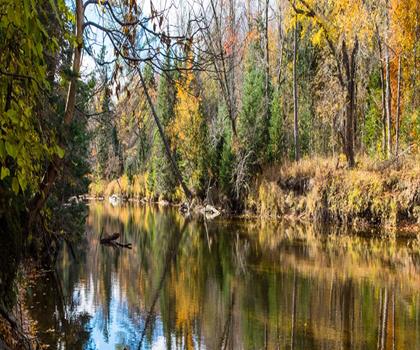
Swift River
White Mountains
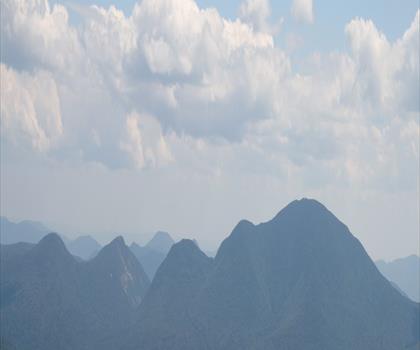
Mt Bond
White Mountains
Hiking near North Conway
0 trails to explore ~23 km away
We work hard to provide the most up-to-date and error-free data possible. If something seems incorrect, let us know! Your contribution helps the whole community.
Hikers' opinions
Be the first to review!
No hiker has shared their experience yet. Share your impressions and help other hikers!