

Ready to explore Mt Jefferson? Here's everything you need to know before you go!
Discover the trail
Trail description
Mt. Jefferson is the third highest peak in New Hampshire at 5,712 feet, sitting squarely in the heart of the Presidential Range in the White Mountains. It's a serious mountain that earns its Hard difficulty rating — the 9.7 km round trip with 1,067 m of elevation gain will push most hikers, and the exposed alpine terrain above treeline adds a layer of commitment that you need to respect before you head out.
Getting to the Trailhead
The Caps Ridge Trail is the standard route up Mt. Jefferson, and it starts at Jefferson Notch Road — the highest public road in New Hampshire. That high starting elevation is part of what makes this trail so efficient, but don't let the relatively short distance fool you. The trail wastes no time gaining elevation, and the rocky, steep character of the route means you'll be working hard from early on. Jefferson Notch Road can have seasonal restrictions and isn't always suitable for low-clearance vehicles, so check road conditions before you go, especially in spring or after significant weather.
What the Trail Is Actually Like
The Caps Ridge Trail earns its name from the series of rocky outcrops — the "caps" — that you climb through on the way to the summit. The lower section moves through mixed forest, which gives you a chance to warm up before things get serious. As you gain elevation, the trees thin out and you start hitting the exposed granite caps themselves. These sections require careful footwork, particularly when the rock is wet. You'll be using your hands for balance on the steeper scrambles, and the footing stays uneven and demanding throughout.
Above the caps, the forest drops away entirely and you're in full alpine terrain — open rock, cairn-marked routes, and nothing between you and whatever weather is moving through. The final push to the summit involves boulder scrambling and navigation across exposed ground where wind can be a real factor. Plan on approximately 4 hours and 15 minutes for the round trip under reasonable conditions, though that number shifts significantly based on your pace, the group you're with, and how much time you spend on top.
The Summit Environment
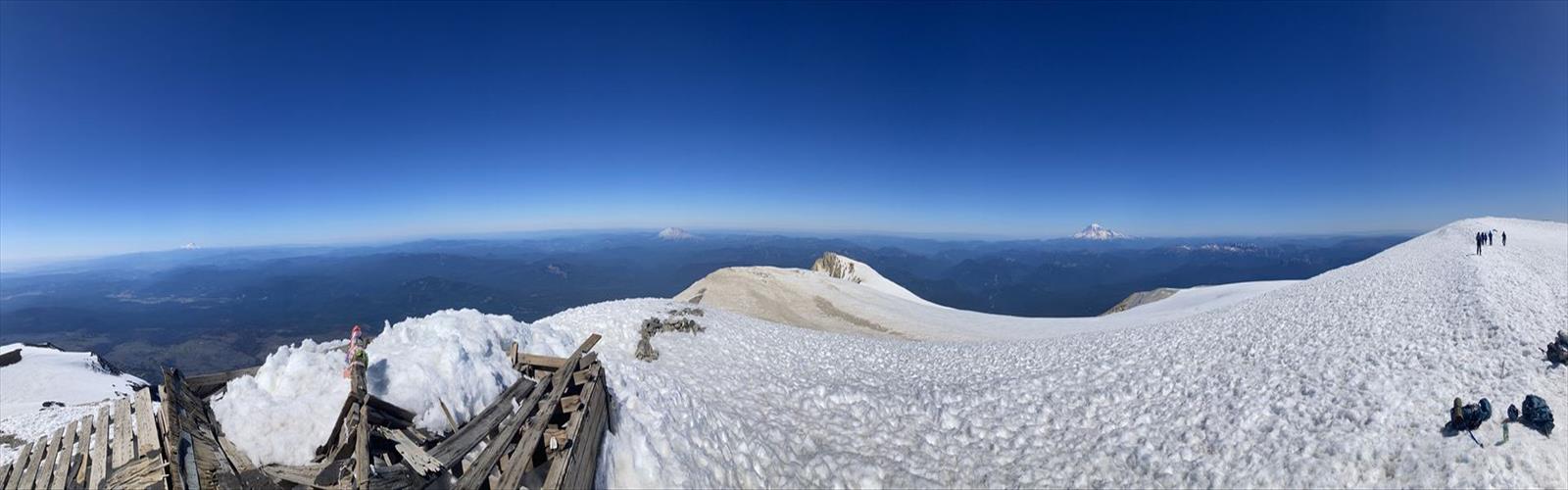
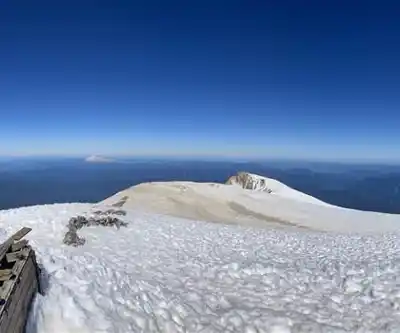
The summit of Mt. Jefferson is a stark, windswept place — exposed rock, alpine plants tucked into crevices, and views that open up across the entire Presidential Range. On a clear day you'll have direct sight lines to Mt. Washington and Mt. Adams, and the broader White Mountains spread out in every direction. It's the kind of panorama that makes the effort feel entirely worth it.
That said, the summit is not a place to linger if conditions are deteriorating. The exposed nature of the terrain means weather hits you directly and without warning. What starts as a calm morning at the trailhead can turn into strong winds and significantly colder temperatures by the time you reach the top. The alpine environment here is genuinely harsh — this isn't a place where you can duck into the trees if things go sideways.
Connecting to the Broader Presidential Range
For hikers looking to extend their day, Mt. Jefferson connects to the rest of the Presidential Range via the Gulfside Trail and other ridge routes. These connections make multi-peak days possible, and the Presidential Range offers some of the most rewarding alpine ridge walking in New England. That said, extended routes above treeline require solid navigation skills and real experience with alpine conditions. The exposure is sustained, and the terrain doesn't forgive poor planning or underestimating the conditions.
Gear and Preparation
Sturdy hiking boots with good ankle support are non-negotiable on this trail. The granite surfaces are uneven throughout, and the scrambling sections on the caps and near the summit demand footwear that can handle both steep climbing and careful movement over rock. Trail runners can work for experienced hikers who know the terrain, but this isn't the place to test lightweight footwear for the first time.
Layering is critical. Pack more than you think you need — a wind-resistant shell is essential for the exposed upper sections, and an insulating mid-layer should always be in your pack regardless of the forecast at the trailhead. The temperature differential between the parking area and the summit can be dramatic, and the wind chill on the exposed caps and summit ridge adds to that gap considerably.
- Footwear: Sturdy hiking boots with ankle support for rocky, uneven terrain
- Layers: Wind-resistant shell plus insulating layer, regardless of trailhead conditions
- Navigation: Map and compass or GPS — cairns can be hard to follow in low visibility
- Water and food: Adequate supply for a physically demanding 9.7 km outing with 1,067 m of gain
- Start time: Early starts reduce the risk of afternoon weather deterioration on the exposed upper mountain
A Few Things Worth Knowing
Starting early matters on Mt. Jefferson for two reasons: the challenging terrain means you want a full day's buffer, and afternoon weather in the Presidential Range tends to deteriorate. Getting above treeline and back down before conditions shift is a genuine safety consideration, not just a comfort preference.
The alpine environment above treeline is fragile and slow to recover from damage. Stick to established trails and rocky surfaces where possible, and follow Leave No Trace principles throughout your visit. The Presidential Range sees significant foot traffic, and the cumulative impact on the vegetation and soil above treeline is real — every hiker's choices add up.
Mt. Jefferson doesn't get the same name recognition as its neighbor Mt. Washington, but that's part of its appeal — you get genuine Presidential Range alpine terrain and summit views without the crowds that the higher peak attracts, and the Caps Ridge Trail delivers one of the most direct and satisfying routes to a true alpine summit in the White Mountains.
The Essential Hiking Checklist
Everything you need for your next hike. Bilingual, printable, 1 page.
Get your free hiking checklistRecommended gear for this trail
As an Amazon Associate I earn from qualifying purchases.


Ready to go?
Everything you need to know before you goStarting Point
The Mt. Jefferson trails are located in Jefferson, New Hampshire. To get to the start of the trails, take Route 115 east from Jefferson to the trailhead parking lot on the left.
When?
How much?
As an Amazon Associate I earn from qualifying purchases.
Affiliate links — LGPO may earn a commission at no extra cost to you.
- Hiking shoes Essential
- → Salomon Elixir Tour Mid WP · 203.38 $
- Layered clothing Essential
- Rain jacket Essential
- Trekking poles
- → Black Diamond Trail Ergo Cork · 69.99 $
- Headlamp
- → Petzl Actik Core 625 · 103.95 $
FAQ - Frequently asked questions
Everything you need to knowSimilar hikes nearby
Discover other trails you might enjoy

Crawford
White Mountains
Presidential Range Rail Trail
White Mountains
Welch-Dickey Trailhead
White Mountains
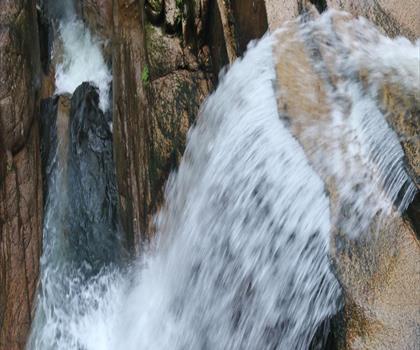
Sabbaday Falls
White Mountains
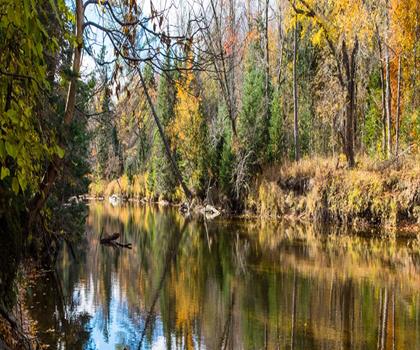
Swift River
White Mountains
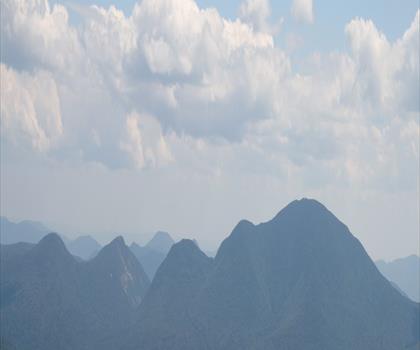
Mt Bond
White Mountains
Hiking near North Conway
0 trails to explore ~32 km away
We work hard to provide the most up-to-date and error-free data possible. If something seems incorrect, let us know! Your contribution helps the whole community.
Hikers' opinions
Be the first to review!
No hiker has shared their experience yet. Share your impressions and help other hikers!