
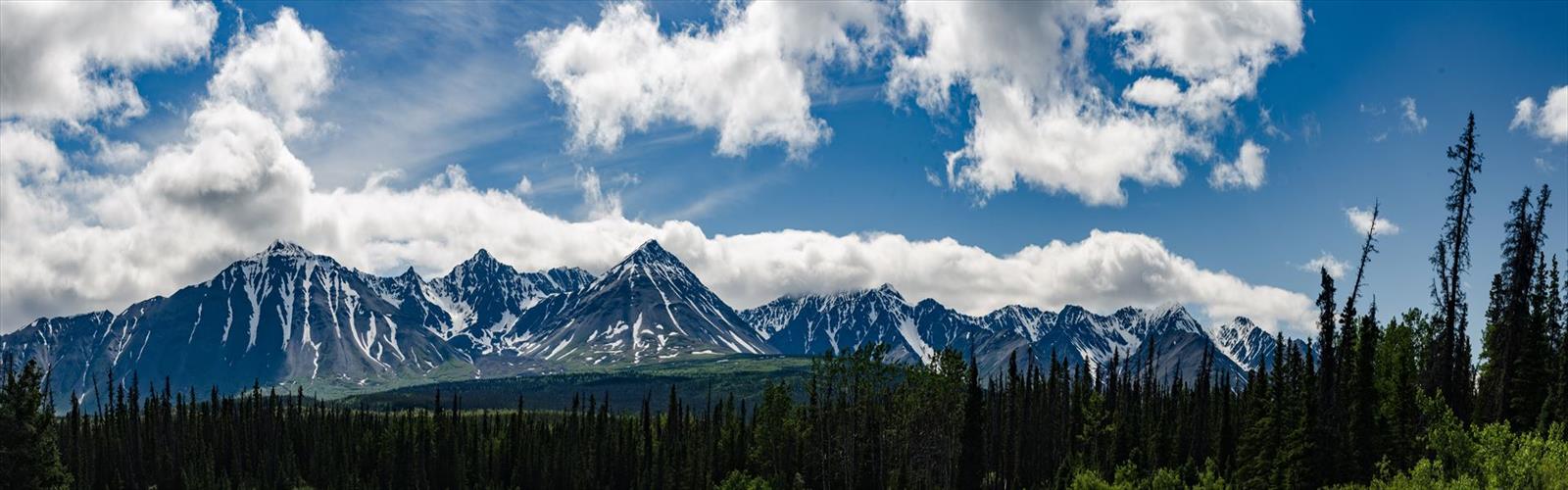

Ready to explore Mt Martha? Here's everything you need to know before you go!
Discover the trail
Trail description
Mt. Martha is a challenging peak in New Hampshire's White Mountains, offering hikers a rewarding climb with 1,200 m of elevation gain over 6.4 km. This peak delivers the classic White Mountain experience: dense forests, alpine views, and a genuine sense of wilderness solitude that's increasingly rare in this popular hiking region.
The mountain sits in a sweet spot for hikers looking to experience the grandeur of the Presidential Range without tackling the more crowded and challenging peaks like Mount Washington. With substantial elevation gain and impressive views, Mt. Martha provides excellent preparation for more ambitious White Mountain adventures while remaining accessible to hikers with moderate to advanced experience. The wilderness designation means you'll encounter fewer people and more wildlife than on many other White Mountain trails.
The Cherry Mountain Trail Route
The Cherry Mountain Trail serves as the primary access route to Mt. Martha's summit, providing a challenging climb that demands respect and preparation. This trail takes you through several distinct ecosystems as you gain elevation, starting in mixed hardwood forests at the base and transitioning to coniferous woods higher up.
The trail begins from a parking area on Route 115. You'll walk among maples, birches, and oaks in the lower elevations, with the canopy providing welcome shade during summer months. As you climb higher, the forest composition shifts to spruce and fir trees, creating that distinctive North Woods atmosphere that defines much of the White Mountains hiking experience.
The middle sections of the trail become noticeably steeper, with sustained climbs that will test your cardiovascular fitness. Rocky sections and root-crossed paths are typical of New England mountain trails, but here they're combined with significant elevation gain that requires steady pacing and frequent rest stops. The trail is rocky and mossy near the bottom of the climb—use caution when wet, as footing becomes treacherous.
Stream crossings appear along the route, usually manageable with rock hopping, though water levels can vary significantly with seasonal conditions and recent rainfall. These crossings provide welcome opportunities to refill water bottles and cool down during the ascent.
What to Expect on the Trail
The sustained elevation gain makes this hike feel longer than its distance might suggest. You'll find yourself working harder than on typical moderate trails, with heart rate elevated for extended periods during the steeper sections. The trail surface varies from packed earth to loose rocks, requiring different techniques and attention to foot placement throughout the climb.
Navigation stays straightforward on the main trail, but the wilderness setting means fewer blazes and trail markers than you'll find on more developed routes. Carrying a map and knowing basic navigation skills adds confidence, especially if weather moves in and visibility decreases near the summit.
The final approach to the summit involves some scrambling over larger rocks and boulders. While not technically difficult, these sections require using your hands for balance and choosing your route carefully. Hikers comfortable with basic rock scrambling will find this section enjoyable, while those new to this type of terrain should take their time and focus on secure hand and foot placement.
Wildlife and Natural Features
The wilderness designation means Mt. Martha maintains healthy populations of native wildlife. Hikers regularly spot red squirrels, chipmunks, and various bird species throughout the forest sections. White-tailed deer browse in the area, though they're more commonly seen during early morning or late afternoon hikes.
Black bears inhabit this wilderness area, so proper food storage and awareness remain important. While encounters are uncommon, hikers should make noise while walking and know how to respond if they do meet a bear on the trail. The wilderness setting increases the likelihood of wildlife encounters compared to more developed hiking areas.
The seasonal wildflower displays add color and interest to the hike, particularly during late spring and early summer. Trilliums, wild azaleas, and mountain laurel bloom along the trail corridor, while higher elevations may feature alpine plants adapted to the harsher growing conditions near treeline.
Summit Views and Rewards
Mt. Martha's summit opens up to panoramic views looking east towards the northern Presidential Range. On clear days, the view extends well beyond the immediate peaks, encompassing much of the White Mountain National Forest.
The summit area itself provides good spots for rest and lunch, with rocky outcrops that serve as natural benches. Unlike some White Mountain peaks where the summit is heavily wooded, Mt. Martha offers enough open space for groups to spread out and enjoy the views without feeling crowded. The sense of accomplishment feels particularly strong here, given the sustained effort required to reach the top.
Seasonal Considerations
Mt. Martha offers distinct experiences across different seasons, each with its own advantages and challenges. Summer hiking provides the most predictable conditions, with fully accessible trails and the best chances for clear summit views. However, this is also when you'll encounter the most insects, particularly black flies and mosquitoes in the dense forest sections.
Fall transforms the lower elevation forests into brilliant displays of red, orange, and yellow foliage. The cooler temperatures make for more comfortable hiking during the strenuous climbs, and the reduced insect activity is a welcome relief. However, wet leaves can make rocky sections more slippery, requiring extra caution with foot placement.
Winter hiking on Mt. Martha demands proper equipment and experience with snow and ice conditions. Old Cherry Mountain Road is closed to vehicle traffic in winter but is open for snowmobile use. Microspikes or snowshoes become necessary, and hiking times extend significantly in winter conditions. The payoff includes pristine snow-covered forests and potentially crystal-clear summit views across snow-capped peaks.
Spring hiking can be muddy and challenging as snowmelt saturates the trail, but it also offers the reward of emerging wildflowers and the return of bird activity after the quiet winter months.
What Makes Mt. Martha Special
Mt. Martha stands out in the White Mountains for delivering a genuine wilderness experience that challenges hikers without requiring technical skills. The wilderness designation protects the natural character of the area, meaning no motorized vehicles, limited trail maintenance, and a more primitive hiking experience than you'll find on heavily trafficked routes.
The mountain provides an excellent test for hikers planning to tackle bigger objectives like Mount Washington or Mount Adams. The sustained elevation gain, weather exposure, and navigation challenges offer good preparation for more ambitious White Mountain adventures while being rewarding enough to satisfy experienced hikers looking for a solid workout in beautiful surroundings.
Martha's Mile Extension
For those seeking additional challenge, hikers can continue traversing towards Owl's Head along Martha's Mile, a difficult scramble that connects these two peaks. This extension adds significant distance and difficulty to the overall hike.
The Essential Hiking Checklist
Everything you need for your next hike. Bilingual, printable, 1 page.
Get your free hiking checklistRecommended gear for this trail
As an Amazon Associate I earn from qualifying purchases.


Ready to go?
Everything you need to know before you goStarting Point
The mt martha trails are located in the town of Marthas Vineyard, New Hampshire. To get to the start of the trails, take Route 9 east from Keene, NH. The trailhead is located on the left side of the road, just past the intersection of Routes 9 and 63.
When?
How much?
As an Amazon Associate I earn from qualifying purchases.
Affiliate links — LGPO may earn a commission at no extra cost to you.
- Hiking shoes Essential
- → Salomon Elixir Tour Mid WP · 203.38 $
- Layered clothing Essential
- Rain jacket Essential
- Trekking poles
- → Black Diamond Trail Ergo Cork · 69.99 $
- Headlamp
- → Petzl Actik Core 625 · 103.95 $
FAQ - Frequently asked questions
Everything you need to knowSimilar hikes nearby
Discover other trails you might enjoy

Crawford
White Mountains
Presidential Range Rail Trail
White Mountains
Welch-Dickey Trailhead
White Mountains
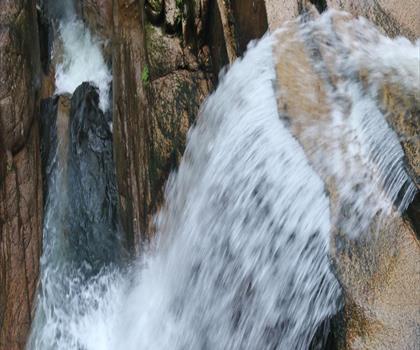
Sabbaday Falls
White Mountains
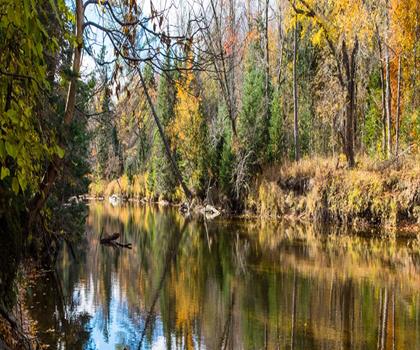
Swift River
White Mountains
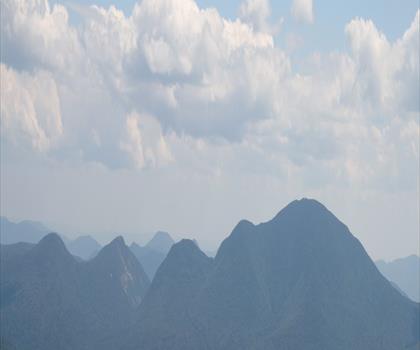
Mt Bond
White Mountains
Hiking near North Conway
0 trails to explore ~43 km away
We work hard to provide the most up-to-date and error-free data possible. If something seems incorrect, let us know! Your contribution helps the whole community.
Hikers' opinions
Be the first to review!
No hiker has shared their experience yet. Share your impressions and help other hikers!