

Ready to explore Mt. Osceola Trailhead? Here's everything you need to know before you go!
Discover the trail
Trail description
The Mt. Osceola Trailhead sits along Tripoli Road in New Hampshire's White Mountains, giving hikers direct access to one of the region's most rewarding summit experiences. The trail covers 10.9 km round trip, gains 622 m of elevation, and is rated Hard — plan on roughly 4 hours and 45 minutes for the full outing. It's a serious day hike, but one that pays off generously at the top.
What to Expect on the Trail
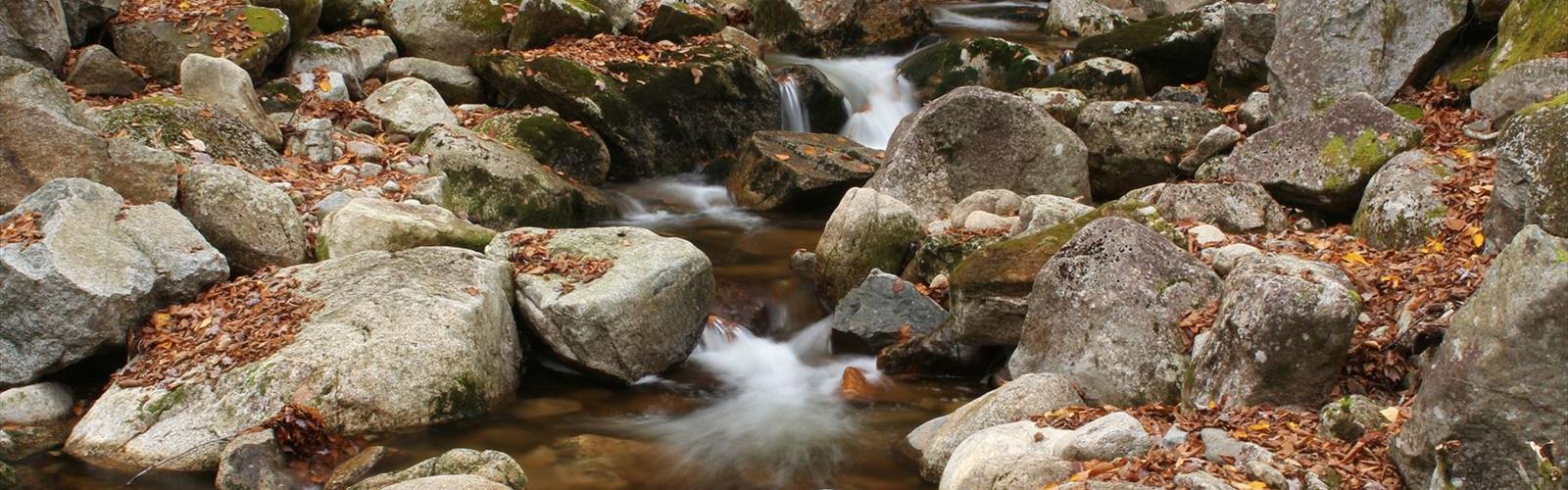
The lower portion of the Mt. Osceola Trail moves through mixed hardwood forest — the kind of shaded, leafy terrain that feels welcoming on a warm morning. Chipmunks and red squirrels are common trail companions here, and the canopy stays busy with songbirds through most of the hiking season. The grade is steady but manageable in these early sections, and the footing is generally good.
As you gain elevation, the forest transitions into the spruce-fir zone that defines the upper reaches of most White Mountain peaks. The air gets noticeably cooler and carries that sharp, resinous scent that hikers tend to associate with real mountain terrain. The trees grow shorter and denser, the light shifts, and the whole atmosphere changes. It's one of the more satisfying transitions you'll find on a New Hampshire day hike.
The upper sections introduce rocky terrain that demands more attention. These aren't technical scrambles requiring hands and feet, but the combination of loose rock, steeper pitches, and granite slabs means you'll need to slow down and pick your line carefully. When wet, these surfaces become noticeably slippery, so footwear matters here. Sturdy hiking boots with solid ankle support and aggressive tread are the right call — trail runners can work for experienced hikers, but this isn't the place for casual sneakers.
The Summit
What makes Mt. Osceola worth the effort is the quality of the views waiting at the top. The summit delivers genuine, wide-open panoramas — not glimpses through trees, but real 360-degree sightlines across the heart of the White Mountains. Mt. Washington's profile dominates the northeastern horizon. To the west, Franconia Ridge's dramatic silhouette is hard to miss. Dozens of other named peaks fill in the rest of the landscape. On a clear day, it's the kind of view that makes you want to stay longer than planned.
Photographers will find plenty to work with, especially in the early morning when the light is clean and the ridgelines are sharp. Summit crowds tend to build as the day progresses, so an early start rewards you with both better views and more space to enjoy them.
The East Osceola Extension
Hikers looking to push further can continue from the main summit to East Osceola Mountain. The connection between the two peaks involves a short but notably steep descent before climbing back up to East Osceola's summit. It adds roughly a mile to your total distance and opens up different viewing angles across the surrounding terrain.
This extension is worth doing if your legs are fresh and the weather is cooperating, but it's not a casual add-on. The steep descent between peaks is the crux — it requires careful footing on the way down and even more care on the return when fatigue is a factor. If conditions are wet or you're already feeling the climb, it's perfectly reasonable to call it at the main summit.
Practical Notes
Carry more water than you think you'll need. The sustained climbing and potential for warm, exposed conditions on the upper trail can push your fluid requirements higher than expected. Pack enough food to fuel the full round trip — the summit is a good place to eat, but you'll want energy reserves for the descent too.
Layering is important. Even on warm valley days, the summit can be significantly cooler and windier than the trailhead. A wind layer and a mid-layer take up almost no space in a pack and make a real difference if conditions shift while you're up top.
Mt. Osceola draws steady crowds during fall foliage season and on summer weekends. Arriving before 8 AM during busy periods helps with parking on Tripoli Road and gives you a head start on the trail before the bulk of hikers arrive. Early starts also improve your odds of clear summit views before afternoon clouds build around the peaks.
Winter and early spring visits require a different level of preparation. Snow and ice can persist well into spring at higher elevations, and the rocky upper sections become significantly more serious under icy conditions. Microspikes or crampons and trekking poles are essential for shoulder-season trips — check current trail conditions before heading out.
The Essential Hiking Checklist
Everything you need for your next hike. Bilingual, printable, 1 page.
Get your free hiking checklistRecommended gear for this trail
As an Amazon Associate I earn from qualifying purchases.


Ready to go?
Everything you need to know before you goStarting Point
The mt. osceola trailhead is located in the town of Holderness, New Hampshire. From Holderness, take Route 113 east for 2.5 miles to the trailhead parking area on the left.
When?
How much?
As an Amazon Associate I earn from qualifying purchases.
Affiliate links — LGPO may earn a commission at no extra cost to you.
- Hiking shoes Essential
- → Salomon Elixir Tour Mid WP · 203.38 $
- Layered clothing Essential
- Rain jacket Essential
- Trekking poles
- → Black Diamond Trail Ergo Cork · 69.99 $
- Headlamp
- → Petzl Actik Core 625 · 103.95 $
FAQ - Frequently asked questions
Everything you need to knowSimilar hikes nearby
Discover other trails you might enjoy

Crawford
White Mountains
Presidential Range Rail Trail
White Mountains
Welch-Dickey Trailhead
White Mountains
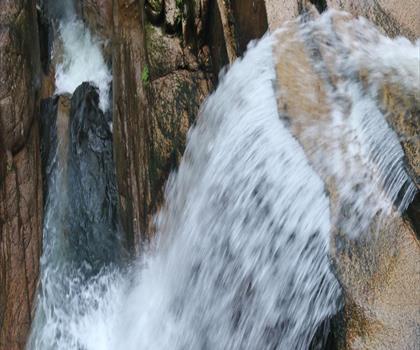
Sabbaday Falls
White Mountains
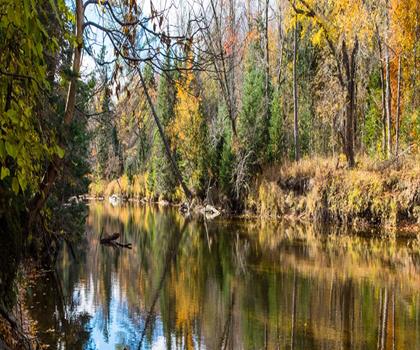
Swift River
White Mountains
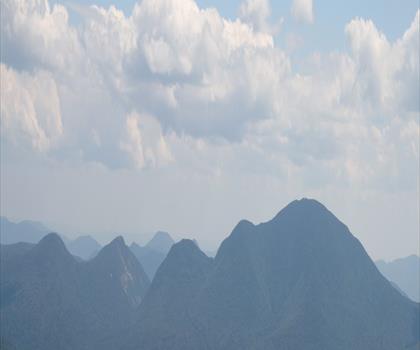
Mt Bond
White Mountains
Hiking near North Conway
0 trails to explore ~35 km away
We work hard to provide the most up-to-date and error-free data possible. If something seems incorrect, let us know! Your contribution helps the whole community.
Hikers' opinions
Be the first to review!
No hiker has shared their experience yet. Share your impressions and help other hikers!