

Ready to explore Parker Mountain Trl? Here's everything you need to know before you go!
Discover the trail
Oh no! We don't have any photos 😢
This trail hasn't been captured yet. Be the first to share your adventure!Trail description
Parker Mountain Trail offers a rewarding moderate hike through the White Mountains of New Hampshire, delivering excellent summit views for a manageable 3.2-kilometer round trip. With 275 meters of elevation gain spread over approximately 90 minutes of hiking, this trail strikes an ideal balance for hikers seeking a genuine mountain experience without an all-day commitment.
Trail Experience and Terrain
The trail begins at a well-marked trailhead with convenient parking at the base, eliminating logistical headaches before you even start walking. From the outset, you'll enter classic New Hampshire forest where towering trees create a natural canopy that filters sunlight into shifting patterns across the trail surface. The path maintains a steady upward trajectory through moderate inclines that provide a solid workout without overwhelming most fitness levels.
As you progress through the 275 meters of elevation gain, the forest reveals its layered ecosystem. Dense understory vegetation thrives beneath the canopy, while seasonal wildflowers add bursts of color during the growing months. The trail surface alternates between packed earth and occasional rocky sections that require attention to footing but remain manageable for hikers with basic trail experience.
The moderate ascent allows you to settle into a comfortable rhythm while absorbing the forest's natural atmosphere. Bird calls echo through the trees, and the movement of small wildlife through the underbrush serves as a constant reminder that this ecosystem extends far beyond the trail corridor. The reasonable pace of elevation gain means you can actually appreciate these details rather than focusing solely on the physical challenge ahead.
Trail conditions vary throughout the year, with spring bringing muddy sections as snowmelt saturates the soil, while summer offers the most stable footing. Fall transforms the canopy into a spectacular display of colors, though fallen leaves can obscure rocks and roots that require careful navigation.
Summit Views and Highlights
Parker Mountain's summit serves as the trail's crown jewel, opening up expansive panoramic views across the surrounding White Mountains landscape after your forest ascent. The dramatic contrast between the enclosed woodland experience and the sudden visual expansion creates a genuine sense of accomplishment that makes the climb worthwhile. On clear days, distant mountain ranges stretch across the horizon, providing impressive context for your position within New Hampshire's mountainous terrain.
The summit area features natural resting spots perfect for refueling, taking photos, and simply absorbing the elevated perspective. This makes an ideal turnaround point for the return journey, though the commanding views often convince hikers to linger longer than originally planned. The open summit environment also provides different wildlife viewing opportunities, as raptors and other species that prefer open areas may make appearances.
Weather conditions significantly impact the summit experience, with clear days offering the most rewarding views while overcast conditions can limit visibility. Even on partially cloudy days, the elevation provides a sense of achievement and the opportunity to experience the mountain environment that defines this region.
Trail Connections and Extended Options
Parker Mountain connects to additional trails in the surrounding area, creating opportunities for hikers who discover they want to extend their adventure beyond the basic out-and-back route. These connections enable loop possibilities or longer ridge walks, depending on your energy reserves and available time. The trail network in this section of the White Mountains provides flexibility for both spontaneous route extensions and carefully planned longer expeditions.
Exploring these connections requires more detailed navigation planning and familiarity with the area, but the options add significant value for hikers who want more mileage after reaching Parker Mountain's summit. The connecting trails access different terrain types and alternative viewpoints, making return visits worthwhile for those interested in exploring the broader trail system more thoroughly.
Planning Your Hike
The estimated duration of 1 hour and 30 minutes accounts for a steady hiking pace with reasonable time for summit enjoyment and photography. This timing works well for morning starts that finish before midday heat, or afternoon hikes that conclude near sunset for enhanced lighting conditions at the summit. The moderate distance and elevation gain make this trail suitable for hikers building endurance or those seeking a satisfying workout without extreme physical demands.
Water requirements remain manageable for the 3.2-kilometer distance, but carrying adequate supplies stays important, especially during warmer months when the forest canopy can create humid conditions. Sturdy hiking boots provide the ankle support and traction needed for the varied trail surfaces and moderate inclines you'll encounter throughout the ascent and descent.
Navigation remains straightforward on the main trail route, but bringing a map or GPS device becomes more valuable if you plan to explore the connecting trail options. These additional navigation tools also provide backup security for less experienced hikers or those unfamiliar with the White Mountains trail system.
Wildlife and Natural Features
The diverse landscape along Parker Mountain Trail supports varied wildlife populations that hikers regularly encounter throughout the seasons. The forested sections provide habitat for typical New Hampshire woodland species, while the summit's open areas attract different animals and bird species. Maintaining awareness for wildlife movement adds an element of discovery to your hike, though encounters typically involve smaller forest species rather than large mammals.
The trail's position within the White Mountains forest network means you're hiking through habitat that connects to larger wilderness areas, increasing the likelihood of wildlife sightings and creating corridors for animal movement. The peaceful atmosphere that characterizes New Hampshire's mountain forests pervades this trail, establishing an environment where both wildlife and hikers can coexist comfortably.
Seasonal changes dramatically transform the trail's character and wildlife activity, from spring's emerging wildflower displays through summer's full forest canopy to autumn's spectacular foliage and winter's stark mountain beauty. Each season offers distinct advantages for hiking, though trail conditions and required gear will vary significantly with weather patterns and snow conditions.
The Essential Hiking Checklist
Everything you need for your next hike. Bilingual, printable, 1 page.
Get your free hiking checklistRecommended gear for this trail
As an Amazon Associate I earn from qualifying purchases.


Ready to go?
Everything you need to know before you goStarting Point
The Parker Mountain Trailhead is located on NH Route 116, about 1.5 miles north of the junction with NH Route 25 in Stark, New Hampshire.
When?
How much?
As an Amazon Associate I earn from qualifying purchases.
Affiliate links — LGPO may earn a commission at no extra cost to you.
- Hiking shoes Essential
- → Salomon Elixir Tour Mid WP · 203.38 $
- Layered clothing Essential
- Rain jacket Essential
- Trekking poles
- → Black Diamond Trail Ergo Cork · 69.99 $
- Headlamp
- → Petzl Actik Core 625 · 103.95 $
FAQ - Frequently asked questions
Everything you need to knowSimilar hikes nearby
Discover other trails you might enjoy

Crawford
White Mountains
Presidential Range Rail Trail
White Mountains
Welch-Dickey Trailhead
White Mountains
Sabbaday Falls
White Mountains
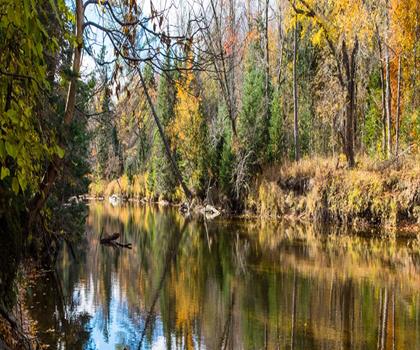
Swift River
White Mountains

Mt Bond
White Mountains
Hiking near North Conway
0 trails to explore ~60 km away
We work hard to provide the most up-to-date and error-free data possible. If something seems incorrect, let us know! Your contribution helps the whole community.
Hikers' opinions
Be the first to review!
No hiker has shared their experience yet. Share your impressions and help other hikers!